
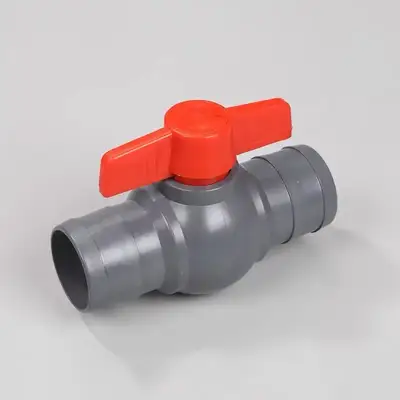

Selecting the right irrigation pipes is an important part of designing a water distribution system that performs reliably over time. Farms, orchards, and landscaping projects have different watering requirements, installation conditions, and maintenance priorities. A pipe that works well for a broad agricultural field may not be the most practical option for a landscaped garden or a tree plantation.
Before purchasing materials, buyers should evaluate their water supply, required flow rate, operating pressure, and installation environment. Consulting an experienced Irrigation Pipe Manufacturer can help identify suitable product specifications for the intended application. Understanding the differences between project types also makes it easier to select pipes that balance performance, installation convenience, and long-term cost.
Understanding the Needs of Different Projects
The first step in pipe selection is determining how water will move through the project and where it needs to be delivered. The layout, vegetation, soil conditions, and irrigation method all influence the type of pipe required.
Agricultural Farms
Farms may need extensive pipeline networks to distribute water across large fields. These systems often include mainlines, submains, and smaller lines that supply drip emitters or sprinklers.
Key considerations include the total cultivated area, distance from the water source, number of irrigation zones, pump capacity, and required flow rate. Pipes must be sized to meet demand without creating excessive friction losses or unacceptable pressure variation.
Farmers should also consider machinery movement, seasonal changes, and the possibility of expanding the irrigation network as cultivation needs change.
Orchards and Tree Plantations
Orchards typically require water delivery to trees arranged in rows, with irrigation needs varying according to tree age, species, soil type, and local climate.
The pipe layout should allow water to reach individual rows or groups of trees without making routine maintenance unnecessarily difficult. Drip irrigation is often considered for orchards because it can deliver water close to the root zone when properly designed.
Buyers should evaluate the main distribution pipes, row supply lines, connectors, and pressure-control equipment as parts of one integrated system.
Landscaping Projects
Landscaping installations may include lawns, flower beds, shrubs, trees, public green spaces, and decorative planting areas. These projects often require flexible layouts that accommodate paths, buildings, planting beds, and changes in elevation.
The choice of pipe depends on whether the system uses drip irrigation, sprinklers, or a combination of methods. Appearance and accessibility may also matter, particularly where pipes need to remain concealed or blend into a designed outdoor environment.
For landscaping projects, careful routing and accessible maintenance points can simplify repairs while minimizing disruption to plants and finished surfaces.
Selecting the Right Pipe Material
Pipe materials differ in flexibility, rigidity, installation requirements, and performance characteristics. The most appropriate choice depends on the application and the manufacturer’s stated specifications.
Polyethylene Pipes
Polyethylene pipes are flexible and commonly used in agricultural and landscaping irrigation. Their flexibility can make it easier to route pipes around planting rows, garden beds, and other obstacles.
They may be suitable for drip irrigation lines and certain distribution applications, provided the selected product meets the required pressure and dimensional specifications.
When evaluating polyethylene pipes, check the material grade, wall thickness, UV suitability for exposed installations, and compatibility with the planned fittings.
High-Density Polyethylene Pipes
High-density polyethylene (HDPE) pipes are used in many water distribution applications, including agricultural networks. Depending on their pressure rating and dimensions, they can be suitable for mainlines and longer pipeline routes.
For farms and orchards, buyers should confirm that the selected HDPE pipe can handle the system’s expected flow, operating pressure, and installation conditions.
Joining methods, such as compatible mechanical connections or heat fusion, should be selected according to the product specifications and installation requirements.
PVC Pipes
PVC pipes are rigid and may be appropriate for certain mainline and distribution applications. Their straight sections can work well in planned layouts where the pipeline route is relatively fixed.
Before choosing PVC, review its pressure class, connection method, and suitability for the intended environment. Installation requirements may differ between above-ground and buried applications.
Regardless of material, do not assume that all pipes of a similar diameter can withstand the same pressure or serve the same purpose.
Choosing Pipe Sizes and Pressure Ratings
Pipe dimensions have a direct effect on irrigation performance. A pipe that is too small for the required flow can create excessive friction losses, reduce pressure at distant outlets, and make water distribution less consistent.
A pipe that is unnecessarily large may increase material and installation costs. The goal is to select a size that meets the system’s hydraulic requirements while remaining economical.
Pressure ratings are equally important. The pipe must be suitable for normal operating pressure and relevant pressure variations that may occur during pump startup, shutdown, or valve operation.
Before finalizing specifications, determine:
- Required flow rate for each irrigation zone.
- Total pipeline length and elevation changes.
- Pump output and operating pressure.
- Pipe diameter and wall thickness.
- Pressure losses along the network.
- Compatibility with fittings, valves, and irrigation equipment.
For larger or more complex projects, hydraulic calculations performed by a qualified irrigation professional can help establish the correct pipe sizes and operating requirements.
Matching Pipes to the Irrigation Method
The irrigation method affects how water is delivered and which pipe components are needed.
Drip Irrigation
Drip irrigation delivers water through emitters near plant roots. It is often used in orchards, crop rows, greenhouses, and landscaped planting beds.
A typical system may include a mainline, submains, lateral lines, filters, pressure regulators, and emitters. The pipe specifications and connections must be compatible with the system’s design and required flow rates.
Because small emitters can be vulnerable to blockage, filtration and regular flushing are important parts of system maintenance.
Sprinkler Irrigation
Sprinkler systems distribute water through spray heads or rotating sprinklers. Their performance depends on adequate pressure and sufficient flow to operate the selected equipment.
The mainline and branch pipes should be sized according to the number of sprinklers operating simultaneously, their flow requirements, and the pipeline layout.
Pressure that is too low can affect sprinkler coverage, while excessive pressure may lead to inefficient spray patterns or place additional stress on system components.
Surface and Manual Irrigation
Some farms and gardens use pipes to convey water to field channels or points where it is distributed manually. These arrangements have different requirements from pressurized drip and sprinkler systems.
The pipe must be suitable for the intended flow and operating conditions, including any pressure that develops within the network. Buyers should define the delivery method before selecting pipe specifications.
Considering Soil, Climate, and Installation Conditions
The environment surrounding a pipeline can influence its durability and maintenance requirements. Underground pipes may experience soil movement, external loads, and accidental damage during excavation or cultivation.
In areas with heavy agricultural machinery, burial depth and protection against external loading should be considered during design. For landscaping, pipes routed beneath paved surfaces may require additional planning to ensure they can be installed and maintained without damaging finished areas.
Above-ground pipes may be exposed to sunlight and temperature changes. Buyers should verify that the selected products are suitable for the expected exposure and follow recommendations for protection or storage.
Water quality also matters. Sediment and suspended particles can contribute to blockages, especially in drip systems, so the filtration system should match the water source and irrigation equipment.
Evaluating Installation and Maintenance Requirements
A suitable pipe should not only meet technical requirements but also be practical to install and maintain. Consider how the pipeline will be routed, joined, inspected, and repaired throughout its service life.
Flexible pipes may simplify routing around trees and planting beds, while rigid pipes may be appropriate for stable, straight sections. The joining method must be compatible with the material and product design.
Plan the locations of valves, filters, and access points so that routine maintenance does not require unnecessary excavation or disruption to planted areas.
A basic maintenance schedule should include:
- Inspecting visible pipes and connections for leaks.
- Checking operating pressure and water distribution.
- Cleaning filters and flushing lines where appropriate.
- Examining exposed pipes for environmental damage.
- Repairing damaged fittings before problems spread.
- Recording repairs and recurring faults.
These measures help identify issues early and support more dependable operation.
Balancing Initial Cost and Long-Term Value
The purchase price is only one part of the overall cost of an irrigation system. Installation labor, fittings, transport, maintenance, and potential replacement expenses should also be considered.
For farms, a reliable pipeline can help avoid interruptions during important growing periods. For orchards, repairs may be more difficult once trees mature and root systems spread. In landscaping projects, replacing buried pipes may damage lawns, pathways, and established plants.
Request itemized quotations and compare products with equivalent materials, dimensions, pressure ratings, and standards. A lower-priced product may not offer better value if it is unsuitable for the operating conditions or difficult to maintain.
The best purchasing decision balances technical suitability, installation practicality, and expected service life.
Common Mistakes to Avoid
Several errors can undermine pipe selection, regardless of the project type.
Choosing by appearance alone: Similar-looking pipes can have different pressure ratings, dimensions, and material properties.
Ignoring hydraulic requirements: Incorrect sizing can lead to inadequate flow or unnecessary costs.
Overlooking connection compatibility: Pipes, fittings, and valves must be designed to work together.
Failing to account for the environment: Sunlight, soil conditions, external loads, and temperature can affect product suitability.
Neglecting future maintenance: Inaccessible connections and poorly planned routes can make repairs more expensive.
Ordering without verifying specifications: Confirm product details and quantities before materials are delivered to the site.
Avoiding these mistakes can help reduce installation delays and improve the reliability of the completed system.
Conclusion
Choosing irrigation pipes for farms, orchards, and landscaping projects requires an understanding of the intended application, irrigation method, flow requirements, pressure conditions, and installation environment. Different materials and pipe configurations offer different advantages, so the final selection should be based on verified specifications rather than general assumptions.
By planning the layout carefully, selecting appropriate dimensions, confirming component compatibility, and considering long-term maintenance, buyers can develop irrigation systems suited to their specific needs. A well-matched piping network supports dependable water distribution and helps manage operating costs throughout the system’s service life.