
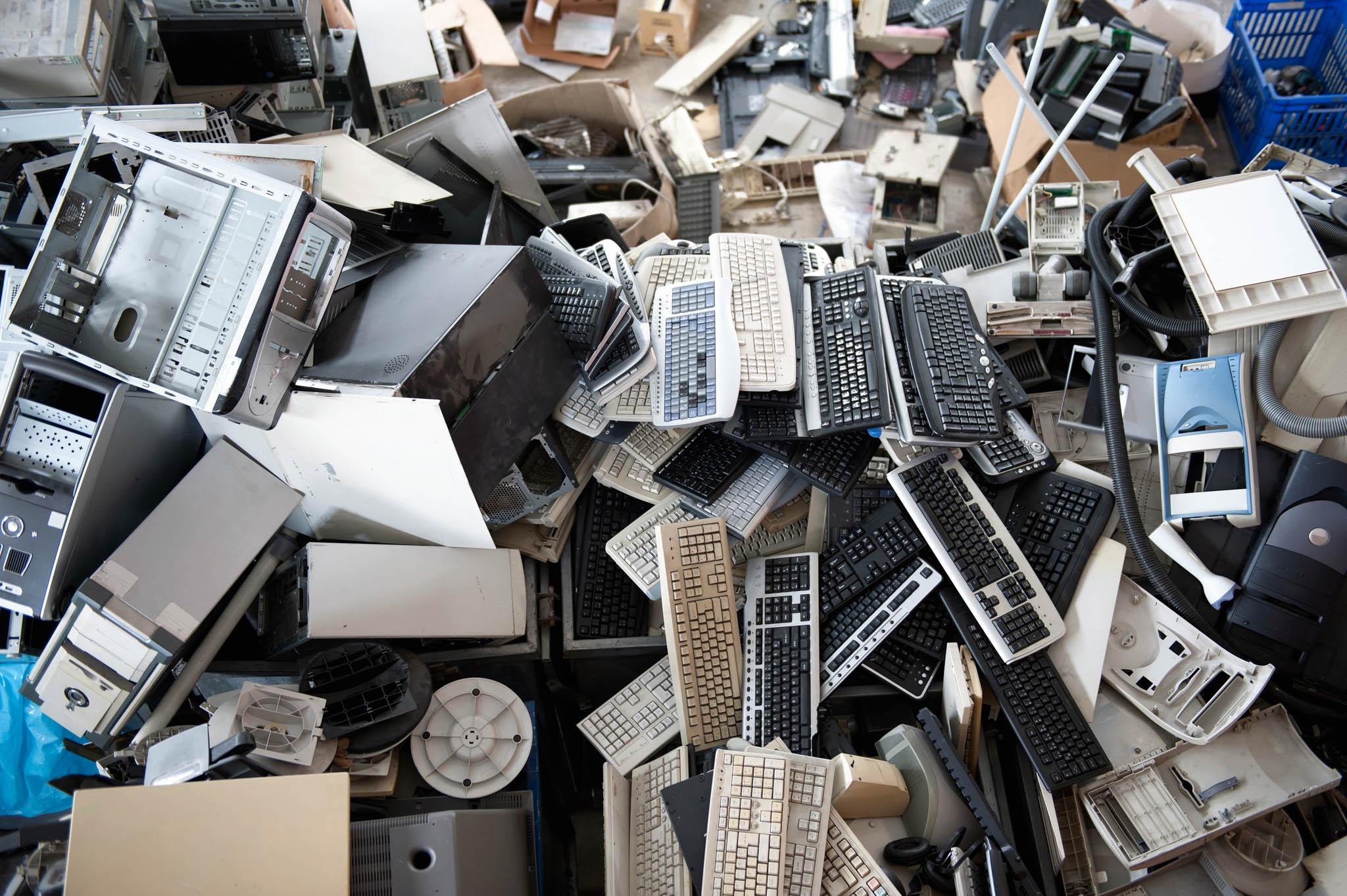

When businesses upgrade their technology, old computers, servers, and networking devices may still contain reusable components or recoverable materials. Understanding their potential helps businesses make informed decisions about data security, equipment clearance, and responsible recycling. Working with IT scrap buyers can also help recover value from unwanted equipment.
Retired devices do not always need to become waste. Depending on their condition and usability, they may be reused, refurbished, or processed to recover materials. A structured approach helps businesses manage old IT assets while reducing unnecessary disposal.
Understanding the Journey of Retired IT Equipment
Retired IT equipment includes electronic devices that businesses or individuals no longer need for their daily activities. These may include desktop computers, laptops, servers, switches, printers, monitors, and storage devices. Equipment can become surplus after technology upgrades, office relocations, infrastructure changes, or replacing outdated systems.
Once collected, we assess these devices to determine their next destination. Working equipment may be considered for refurbishment and resale, while damaged or unsuitable items can enter appropriate recycling channels. This separation helps preserve the value of usable hardware and directs other materials toward recovery or responsible processing.
Why Reuse and Material Recovery Matter
Reusing suitable electronics can extend the useful life of equipment that still performs its intended function. A computer that no longer meets one organisation’s requirements may remain useful in another setting after an appropriate assessment. Reuse can reduce the need to discard functional devices simply because they are no longer required by their original owner.
Material recovery serves a different purpose. When equipment cannot reasonably be reused, processing can help separate recoverable materials from components that need specialised handling. Responsible recycling also helps prevent electronic waste from entering general waste streams. Both approaches support more thoughtful management of retired technology.
How Different Types of Equipment Can Be Handled
The appropriate route depends on the type, condition, and potential usefulness of each device. A careful assessment helps determine whether equipment should be considered for reuse or sent for further processing.
- Desktop Computers and Laptops
Computers and laptops may remain suitable for reuse when their components and overall condition support continued operation. Devices that are outdated or damaged can be assessed for usable parts and recyclable materials. Before either route is considered, storage devices require appropriate data handling.
- Servers and Networking Equipment
Servers, switches, and routers can contain components that remain useful even after an organisation replaces its infrastructure. Their specifications, condition, and potential demand influence whether they are suitable for further use. Equipment that cannot be reused may be directed toward responsible recycling.
- Hard Drives and Solid-State Drives
Storage devices need particular attention because they can retain confidential business records, personal files, and other sensitive information. Secure data wiping may be appropriate for functioning drives, while damaged drives may require physical destruction. The method should suit the device and the information security requirements.
- Printers and Office Electronics
Printers and other office electronics contain a combination of electronic components, plastic parts, and other materials. Their condition determines whether continued use is practical or whether recycling is the more suitable option. Proper sorting helps ensure that different components receive appropriate treatment.
- Mixed IT Equipment from Business Clearances
Office upgrades and facility clearances can produce a mixture of working devices, damaged equipment, cables, and accessories. Sorting these items into groups makes assessment and handling more organised. Businesses can also prepare an inventory to help buyers understand the types and quantities of equipment involved.
The Role of IT Buyers in Reuse and Recovery
Businesses clearing retired technology often need a practical way to assess equipment, arrange collection, and understand its potential value. IT scrap buyers can help with this process by evaluating different types of IT hardware according to their condition, specifications, quantity, and market considerations. This allows organisations to explore selling options rather than leaving unused equipment in storage indefinitely.
For businesses comparing an IT Scrap Buyer in Dubai, it is useful to consider more than the initial quotation. Equipment collection, payment arrangements, secure data handling, and responsible recycling are also important factors. A service that brings these steps together can make technology clearance easier to manage, particularly when multiple devices need to be removed from an office or facility.
What to Prepare Before Retired Equipment Is Collected
A little planning can help businesses organise their equipment and make the assessment process clearer.
- Create an inventory of the devices being cleared.
- Separate working, damaged, and incomplete equipment.
- Group similar devices together where practical.
- Identify hard drives and other storage media.
- Arrange appropriate data wiping or destruction.
- Keep relevant model details and equipment quantities ready.
- Confirm collection arrangements and payment terms.
These steps help reduce confusion during assessment and collection. They also make it easier to identify equipment that may be suitable for reuse and devices that require further recycling.
Responsible Processing After Collection
Once equipment has been collected, its condition and usability help determine the next step. Devices that remain functional may be refurbished and resold, while unsuitable equipment can be processed through responsible electronic waste recycling channels. During recycling, reusable materials can be separated, and components requiring special treatment can be handled appropriately.
Data security remains important throughout this process. Businesses should understand how information stored on their devices will be protected before equipment is reused or recycled. IT Scrap Buyer describes certified data wiping, physical shredding for damaged drives, and certificates of data destruction as part of its data security services. These measures help organisations address information security when retiring electronic assets.
Conclusion
Managing retired IT equipment involves more than clearing unwanted devices. By assessing condition, identifying reusable hardware, protecting stored information, and directing unsuitable items toward responsible recycling, businesses can make better decisions about their old technology. This approach supports equipment reuse, material recovery, and more organised IT asset management.
For those looking for an IT Scrap Buyer in Dubai, IT Scrap Buyer offers IT equipment purchasing, corporate buyback programs, secure data destruction, and free collection across the UAE. Its services help individuals and organisations manage unwanted computers, laptops, servers, networking devices, and other IT equipment through a straightforward process. With equipment assessment, convenient collection, and a focus on secure and responsible handling, IT Scrap Buyer provides a practical option for businesses seeking to clear retired technology while exploring opportunities to recover value.