
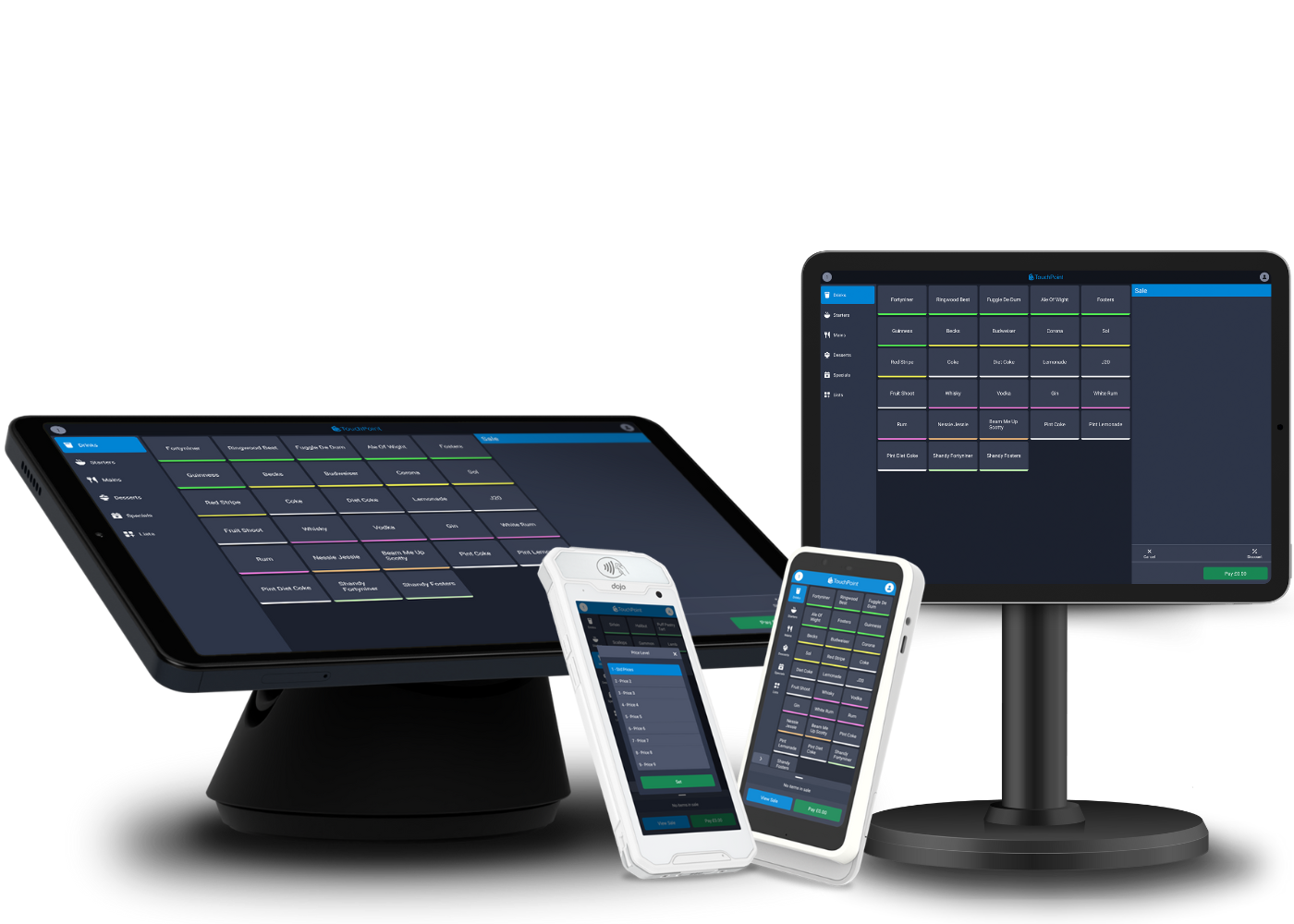

Checkout technology is changing as businesses look for faster, more flexible, and easier-to-manage ways to process transactions. POS hardware is no longer limited to traditional terminals and receipt printers. Modern systems increasingly combine compact designs, touch interfaces, connectivity, security features, and flexible configurations.
For businesses planning new deployments or upgrading existing equipment, understanding these changes can help with long-term purchasing decisions. Working with a POS Hardware Manufacturer that understands evolving hardware requirements can also help businesses evaluate equipment based on practical operational needs rather than short-term trends.
The Shift Toward Compact POS Hardware
One noticeable trend in POS hardware manufacturing is the move toward smaller and more space-efficient devices. Retail counters, hospitality stations, and service desks often have limited room for equipment.
Manufacturers are responding with compact terminals that combine multiple functions within a smaller footprint. This can help businesses maintain organized workspaces without sacrificing essential checkout capabilities.
Touchscreen Interfaces Becoming Standard
Touchscreens have become an important part of modern checkout environments. They can simplify navigation, reduce the need for physical buttons, and provide a more adaptable interface.
From retail stores to restaurants, touchscreen POS systems can support different workflows through configurable software. Hardware manufacturers are therefore focusing on displays that provide clear visibility, responsive interaction, and durability for frequent use.
Greater Emphasis on Connectivity
Modern POS systems increasingly need to communicate with payment devices, printers, scanners, inventory systems, and business networks. Reliable connectivity is therefore an important consideration in hardware design.
Manufacturers are incorporating a range of wired and wireless connectivity options to accommodate different installation environments. This flexibility allows businesses to configure equipment around their existing infrastructure.
More Flexible Peripheral Integration
POS terminals rarely operate alone. Depending on the business, a checkout station may include barcode scanners, cash drawers, customer displays, card readers, receipt printers, and other peripherals.
Hardware manufacturers are placing greater emphasis on compatibility and integration. Standardized ports and connection options can make it easier for businesses to create complete checkout stations suited to their specific requirements.
Designing Hardware for Continuous Use
Checkout equipment can operate for many hours every day, making durability a major manufacturing consideration. Components need to withstand frequent interaction, repeated transactions, and demanding operating environments.
Manufacturers are paying attention to enclosure design, thermal management, component selection, and internal layouts. These details can influence how reliably equipment performs over an extended period.
Thermal Management and Energy Efficiency
As POS hardware becomes more powerful and compact, thermal management becomes increasingly important. Devices need to dissipate heat effectively without requiring excessive space.
Manufacturers are exploring improved cooling designs and more energy-efficient components. Efficient hardware can also be useful for businesses operating multiple terminals continuously.
Security-Focused Hardware Development
Payment security continues to influence POS hardware design. Modern checkout equipment must support secure transaction environments while accommodating increasingly sophisticated payment technologies.
Manufacturers are considering secure components, device protection, and hardware configurations that work alongside modern payment and software security measures. Physical security features can also help reduce risks associated with unauthorized access to equipment.
Mobile and Flexible Checkout
Checkout is no longer restricted to a fixed counter in every business environment. Retail employees may need to assist customers throughout a store, while restaurants and service businesses may benefit from flexible payment locations.
This has encouraged manufacturers to develop smaller and more mobile hardware configurations. Portable terminals and compact devices can support different checkout models while reducing dependence on a single fixed workstation.
Modular Hardware Designs
Another emerging direction is modularity. Instead of replacing an entire checkout system when one component needs to change, businesses may benefit from hardware architectures that allow individual elements to be upgraded or replaced.
Modular designs can provide greater flexibility during system updates. They may also make maintenance and configuration easier when businesses have different requirements across locations.
Greater Focus on Ergonomics
The physical design of a POS terminal can affect how employees interact with it throughout the day. Screen positioning, viewing angles, keyboard placement, and peripheral accessibility can all influence the usability of a checkout station.
Manufacturers are increasingly considering ergonomics when developing hardware. Designs that support comfortable and efficient interaction can be particularly relevant in high-volume retail and hospitality environments.
Hardware Built for Different Industries
POS requirements vary considerably between industries. A grocery store may prioritize scanning and transaction speed, while a restaurant may need kitchen connectivity and customer-facing displays.
Manufacturers are responding with more specialized hardware configurations. Rather than relying on a single universal design, businesses can increasingly select equipment based on the environment in which it will be used.
Sustainability in POS Hardware Manufacturing
Environmental considerations are also becoming more relevant to hardware production. Businesses are paying greater attention to equipment lifespan, energy consumption, packaging, and material usage.
Longer-lasting hardware can reduce the frequency of replacements, while repairable or modular designs may help extend equipment life. These considerations can become increasingly important as businesses manage larger technology fleets.
Improved Manufacturing and Quality Control
Advances in manufacturing processes are helping producers maintain consistency across larger hardware volumes. Automated testing, improved assembly techniques, and standardized quality checks can support more predictable production.
For businesses purchasing equipment in quantity, manufacturing consistency is important. Devices need to perform similarly across different locations so employees can work with familiar systems.
Preparing for Future Checkout Requirements
Checkout technology will continue to evolve as payment methods, customer expectations, and business workflows change. Hardware therefore needs to provide enough flexibility to remain useful as those requirements develop.
When evaluating new POS equipment, businesses should consider more than current specifications. Connectivity, expandability, durability, compatibility, and serviceability can all affect how useful a system remains over time.
Conclusion
POS hardware manufacturing is evolving in response to changing checkout environments. Compact designs, touchscreen interfaces, improved connectivity, modular components, enhanced security, mobile capabilities, and energy-conscious engineering are among the trends influencing the next generation of POS systems.
Businesses can benefit from understanding these developments before investing in new equipment. By focusing on practical requirements and long-term usability, they can select hardware that supports current operations while remaining adaptable to future checkout technology.