
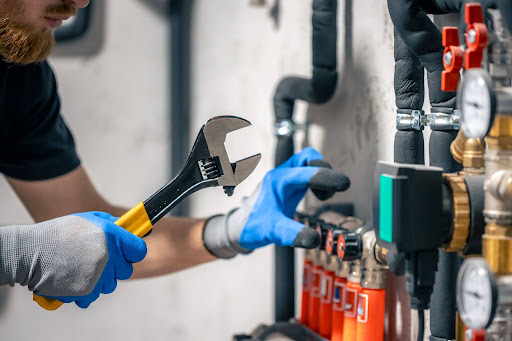

Brass remains an important material for electrical applications because it combines useful conductivity, mechanical strength, corrosion resistance, and manufacturing flexibility. These properties make it suitable for components that require reliable performance.
From terminals and connectors to fittings and hardware, brass supports electrical systems across many applications. Understanding material characteristics, component design, and manufacturing requirements helps engineers and manufacturers select suitable brass electrical components for dependable electrical assemblies and long-term use.
Material Properties Supporting Brass Electrical Components
Brass offers a practical combination of electrical, mechanical, and environmental properties that makes it suitable for various electrical component applications.
1. Electrical Conductivity Supporting Reliable Connections
Brass provides useful electrical conductivity while also offering greater mechanical strength than some highly conductive metals. This balance makes it suitable for terminals, connectors, contacts, and other components where both electrical performance and structural stability matter. The exact conductivity depends on the brass alloy and its composition. Manufacturers therefore select grades based on application requirements, balancing electrical performance with strength, machinability, corrosion resistance, and operating conditions.
2. Mechanical Strength Improves Component Stability
Electrical components often need to withstand repeated installation, tightening, vibration, and mechanical stress. Brass provides useful strength and dimensional stability for applications where components must maintain their shape during service. Its mechanical properties can help terminals, fittings, and connector parts remain secure when properly designed and installed. Selecting the right alloy and manufacturing process matters because different brass grades offer different combinations of strength, hardness, ductility, and machinability for specific electrical applications.
3. Corrosion Resistance Supporting Long-Term Performance
Brass generally offers good corrosion resistance in many environments, which supports the durability of electrical components. Resistance to environmental exposure is particularly useful where components may encounter humidity or changing operating conditions. However, performance depends on the alloy, environment, surface condition, and application. Proper material selection and finishing can provide additional protection where required. This helps manufacturers develop components that maintain functional and physical characteristics during their intended service life.
4. Machinability Enabling Precise Manufacturing
Brass is widely valued for its machinability, allowing manufacturers to produce detailed components efficiently. This characteristic is useful when electrical parts require threads, holes, grooves, terminals, or other precise features. Machining processes can produce consistent dimensions while supporting different component shapes and designs. The selected brass grade can influence machining behaviour and finished quality. Careful manufacturing control helps ensure that components meet dimensional requirements and perform reliably when incorporated into electrical assemblies.
5. Thermal Characteristics Supporting Electrical Applications
Electrical components can generate heat from current flow and surrounding equipment. Brass provides useful thermal conductivity, although its performance varies by alloy and application. Component designers need to consider heat generation, operating temperatures, contact resistance, and surrounding materials when selecting brass. Proper design can help manage thermal conditions while maintaining mechanical integrity. These considerations matter most in assemblies where components operate continuously or face elevated temperatures.
6. Manufacturing Flexibility Supporting Component Design
Manufacturers can process brass through machining, forming, casting, and other methods, depending on the alloy and component requirements. This flexibility allows manufacturers to create different electrical parts while maintaining practical production processes. Component geometry, production volume, dimensional requirements, and performance expectations can influence the preferred manufacturing method. Combining suitable material selection with controlled production processes helps create components that meet specific application requirements without compromising consistency or functional performance.
Manufacturing Considerations for Brass Electrical Components
Material selection is only one part of producing dependable electrical parts; manufacturing accuracy, surface quality, tolerances, and finishing also influence final component performance.
When producing brass electrical components, manufacturers need to consider alloy selection, dimensional accuracy, surface finish, joining requirements, and operating conditions. Components may require additional treatments or plating depending on their intended environment and electrical function. Quality control can include dimensional checks, visual inspection, material verification, and testing according to applicable requirements. Consistent manufacturing processes help reduce variation between components and support reliable assembly. Clear technical specifications also allow manufacturers and buyers to establish expectations regarding dimensions, material grades, finishes, and performance requirements before production begins.
Brass Applications Across Electrical Systems
Brass components can serve different purposes across electrical assemblies, particularly where conductivity, strength, machinability, and durability need to work together.
Terminals, connector parts, cable glands, threaded fittings, contacts, bushings, and mounting hardware are among the applications where brass may be considered. The appropriate component depends on current requirements, mechanical loads, environmental exposure, dimensions, and compatibility with surrounding materials. Engineers may also consider plating or surface treatments where improved contact characteristics or environmental resistance are required. Selecting components according to actual operating conditions helps support reliable electrical connections and reduces the possibility of premature wear, loosening, or material-related performance issues.
Performance Factors for Electrical Switchgear Components
Switchgear assemblies require components that support secure connections, mechanical reliability, and consistent operation under defined electrical and environmental conditions. When selecting electrical switchgear components, manufacturers and engineers can evaluate material properties, component dimensions, contact requirements, insulation arrangements, mechanical strength, and environmental exposure. Brass may be used in selected switchgear applications where its machinability, strength, and conductivity meet the design requirements. Component compatibility is also important because electrical assemblies contain multiple materials working together. Careful specification and quality control can help ensure that individual parts integrate effectively within the complete switchgear system and support dependable operation.
Conclusion: Building Reliable Electrical Component Solutions
Brass continues to offer valuable characteristics for electrical manufacturing, combining conductivity, strength, machinability, durability, and corrosion resistance in a versatile material. Its suitability for different applications depends on selecting the appropriate alloy, component design, manufacturing process, dimensional requirements, and surface finish. These factors help manufacturers achieve reliable performance while maintaining consistency across electrical and industrial components. Careful material selection can also support efficient production, easier machining, and longer service life in demanding operating environments.
For manufacturers seeking dependable metal component solutions, Indian Metals Solutions provides products and manufacturing capabilities for electrical and industrial applications. Their focus on precision components, material suitability, and consistent production supports applications that require reliable performance and practical component design. By combining appropriate materials with precise manufacturing processes, they meet different component requirements while maintaining quality and functional performance.