
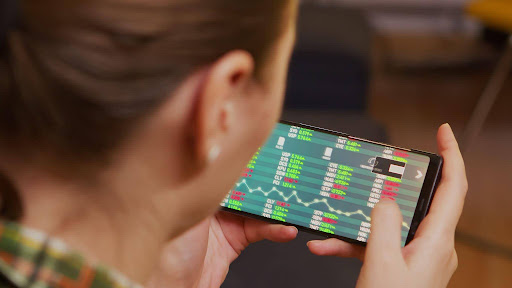

The pace of the foreign exchange market rarely gives traders much time to pause. Prices can react quickly to economic announcements, shifts in sentiment, liquidity changes and unexpected global developments. For active participants, having a strategy is only one part of the equation; the technology supporting that strategy can also influence how efficiently decisions are translated into market actions.
Modern trading infrastructure brings together charting, market analysis, order management, execution technology and automation within a connected environment. For traders who operate frequently, these capabilities can help create a more structured approach and reduce unnecessary friction. A broker forex metatrader 5 setup, for instance, can provide access to a platform built around advanced analysis and multi-asset trading capabilities, allowing traders to manage different parts of their workflow from one environment.
Why Trading Infrastructure Matters More for Active Traders
Active forex trading involves more than identifying potential market opportunities. Traders need to monitor price movements, assess technical conditions, manage open positions and respond to changing market information, sometimes within a short period. When these activities depend on disconnected tools or inefficient processes, the trader may face unnecessary delays and complications. A modern infrastructure can bring essential functions together, making it easier to maintain consistency throughout the trading process. This does not eliminate market risk or guarantee better trading outcomes. Instead, it gives traders an operational foundation through which their strategies can be implemented more systematically.
Advanced Charting Supports Better Market Analysis
Market analysis remains at the centre of forex trading. Traders may study support and resistance, price patterns, indicators, trends and volatility before deciding whether a setup meets their predefined conditions. Advanced charting tools can make this process more organised. Multiple timeframes, technical indicators, historical price data and customisable charts allow traders to examine the same market from different perspectives.
For active traders, this flexibility can be particularly useful. A short-term trader may need to examine minute-by-minute price movements while simultaneously considering broader hourly or daily trends. Having these analytical capabilities within the same trading environment can reduce the need to constantly switch between applications. However, more tools do not automatically lead to better decisions. The objective should be to use technology to support a clearly defined methodology rather than allowing an excessive number of indicators to complicate the decision-making process.
Automation Is Changing the Way Traders Operate
Automation has become another important component of modern forex infrastructure. Instead of manually monitoring every market movement, traders can use algorithmic tools and Expert Advisors to execute predefined rules. Automation can assist with repetitive activities such as monitoring conditions, generating alerts or managing orders according to predetermined parameters. It can also help reduce the influence of emotional reactions during periods of market volatility.
That does not mean automated strategies are inherently more successful. An automated system follows the rules it has been given, which makes the quality of those rules extremely important. Poorly designed strategies can be executed efficiently and still produce poor results. The more practical approach is to treat automation as an execution and process-management tool. Traders can test their strategies, review performance and make adjustments before deciding how automation should fit into their overall trading plan.
Multi-Asset Access Creates a More Connected Workflow
Many modern traders are no longer focused exclusively on currency pairs. Depending on the broker and applicable market access, a single trading environment may provide exposure to forex alongside metals, energies, indices or share CFDs. This broader access can simplify portfolio monitoring because traders can observe multiple markets through one account and platform. It can also help traders compare relationships between asset classes when developing their market view. A multi-asset environment should nevertheless be approached carefully. Having access to more instruments does not mean every instrument needs to be traded. Traders still need to understand the risks, costs, liquidity characteristics and volatility associated with each market.
Choosing Infrastructure With Greater Awareness
The growing sophistication of trading technology also means traders need to evaluate infrastructure more carefully. A visually impressive platform is not necessarily sufficient.
Key considerations can include:
- Execution quality and available order types
- Transparency around spreads, commissions and other costs
- Platform stability and accessibility
- Charting and analytical capabilities
- Availability of demo trading
- Automation and algorithmic trading functionality
- Security and client-fund arrangements
- Regulatory status and applicable legal entity
- Range of available instruments
Regulatory information and risk disclosures should also be reviewed before opening an account. Trading conditions can vary according to jurisdiction and account type, so traders should understand the terms that apply to them rather than relying solely on promotional claims.
Building a More Disciplined Trading Environment
The real value of smarter infrastructure is not simply speed. It is the ability to create a repeatable process. A trader can begin with a defined strategy, identify the conditions required for entry, establish acceptable risk and determine exit criteria. Technology can then support each stage, from chart analysis and alerts to order execution and trade monitoring.
Keeping a trading journal can further strengthen this process. Recording the reason for each trade, position size, entry and exit levels, market conditions and outcome can help traders identify behavioural patterns over time. This approach shifts attention away from simply searching for the next opportunity and towards evaluating the quality of the overall trading process.
Conclusion
As forex markets become increasingly technology-driven, active traders need infrastructure that can support analysis, execution, automation and disciplined risk management within a coherent workflow. The objective is not to make trading effortless, but to reduce avoidable operational friction while keeping decisions grounded in a defined strategy. For traders exploring mt5 forex brokers in UAE, the focus should extend beyond platform availability to execution conditions, transparency, regulatory arrangements, risk-management tools and the broader trading environment. A provider such as VPFX connects this approach with MetaTrader 5 access, multi-asset market coverage and tools designed to support structured trading practices. For those seeking to develop a more organised trading workflow, evaluating the technology behind each trading decision can be an important part of preparing for active participation in the financial markets.