
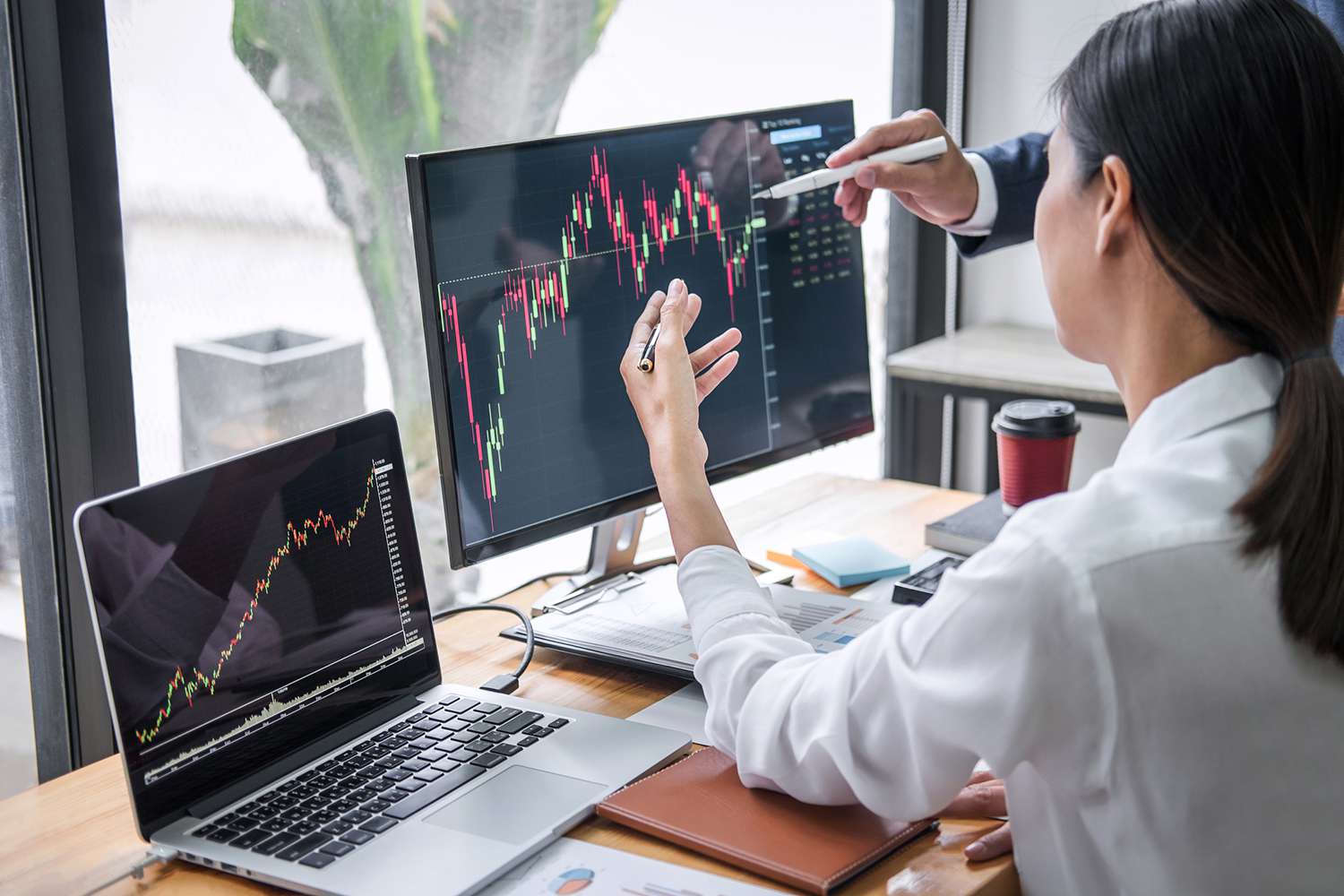

Korean market analysts have pointed to an interesting pattern in search interest data: queries from people looking to trade forex appear to rise around periods when Samsung Electronics shares experience substantial declines. Given Samsung’s importance to the KOSPI and its familiarity among Korean retail investors, the pattern suggests that some investors respond to disappointment in a major domestic stock by exploring markets beyond equities rather than simply waiting for a recovery.
Samsung’s outsized profile in many Korean retail portfolios is partly a result of its importance within the domestic market and its status as one of the country’s most recognizable companies. Casual investors may own a few individual stocks beyond a position in the technology giant. When the share price takes a significant hit, some investors appear to start investigating alternative markets instead of remaining focused exclusively on Korean equities. Periods like these can also see a surge in search activity regarding how to trade forex, which definitely establishes a relationship between Samsung’s weakness and interest in currency trading.
This trend already sparks some doubts about investors’ psychology that market researchers are more and more eager to explore. The search activity is seen by some as a diversification move by some analysts. If investors have grown weary of their narrow focus on just one company, they may want to consider currency markets, as the factors driving forex are different from those affecting a single Korean company. Still others give a less calculated reason, that the frustrated investor might just be seeking another market to follow when his or her current market isn’t fun to watch.
For some newcomers, the decision to trade forex may therefore begin with an emotional reaction rather than a carefully developed investment plan. A sharp drop in a popular stock can make investors feel that something has to change, pushing them to look for alternatives without fully considering the risks involved. The initial search may be out of curiosity, but further research may eventually expose investors to different market structures, leverage considerations and risk-management requirements.
Brokerages tracking shifts in online interest may use the periods to promote educational material on currency markets. Large Samsung price swings can reasonably expect to cause marketing teams to see a rise in searches for trade forex and interest in introductory material. This doesn’t mean every information seeker will turn into a customer but it can identify a moment when investors are more open to learning about markets they previously ignored.
Skeptics warn against interpreting search-volume correlations too literally. A spike in searches does not prove that investors are moving money from Samsung shares into currencies, nor does it establish why an individual searched for the term in the first place. Someone disappointed by a stock decline may search for trade forex out of momentary curiosity and never progress beyond reading a few articles or watching a video. Search data can reveal changes in attention, but it cannot automatically reveal the financial decisions that follow.
There is also a risk that investors who arrive in the currency market immediately after suffering losses in equities may approach trading with unrealistic expectations. Looking for a market that moves differently from Samsung is not the same as finding a safer alternative. Forex carries its own volatility and, depending on the product and account structure, can involve leverage that magnifies both gains and losses. The desire to recover quickly can make that distinction particularly important for someone already reacting emotionally to a portfolio decline.
Regardless of how directly search interest translates into actual trading behavior, the apparent relationship offers an interesting glimpse into Korean retail investor psychology. Samsung’s performance remains influential enough that a sharp move in its share price can affect more than equity sentiment alone. For some investors, that disappointment appears to send their attention toward markets they had previously overlooked, with trade forex becoming one of the searches that rises when confidence in a familiar stock temporarily falls.