
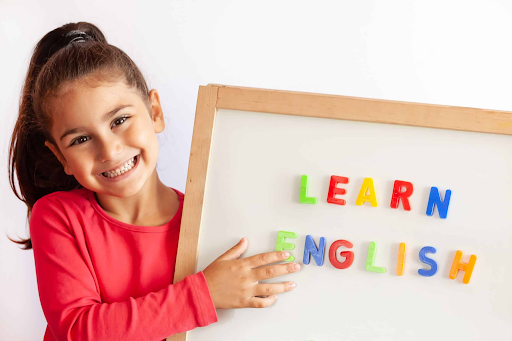

Strong communication skills begin with a solid foundation in language learning. Developing reading, writing, listening, and speaking abilities from an early age helps children express themselves clearly while building confidence in academic and social environments. A structured approach encourages gradual improvement, making language learning both enjoyable and meaningful as children progress through different stages of development.
Parents exploring English learning for kids often look for programmes that combine interactive teaching, engaging activities, and age-appropriate lessons. A well-designed course nurtures vocabulary, pronunciation, grammar, and communication skills while creating a positive learning experience that motivates children to become confident and effective English speakers.
Building Strong Language Skills Through Structured Learning
A carefully planned learning journey helps children strengthen communication skills while developing confidence. Interactive lessons and regular practice encourage steady progress in both academic and everyday communication.
- Learning Vocabulary Through Everyday Conversations
A strong vocabulary allows children to communicate ideas more effectively. Instead of memorising long word lists, young learners benefit from using new words naturally through stories, conversations, games, and practical activities. Hearing and applying vocabulary in different situations improves understanding and long-term retention. As children gradually expand their word knowledge, they become more comfortable expressing themselves in both classroom discussions and everyday interactions, creating a stronger foundation for future language development.
- Improving Listening and Speaking Skills
Listening and speaking are essential components of language development. Interactive classroom discussions, storytelling sessions, role-playing activities, and guided conversations encourage children to listen carefully before responding with confidence. Regular speaking practice improves pronunciation, sentence formation, and fluency while helping learners overcome hesitation. As confidence grows, children become more willing to participate actively in classroom activities and communicate comfortably with teachers, classmates, and family members.
- Building Reading Habits for Better Understanding
Reading introduces children to new vocabulary, sentence structures, and ideas while strengthening comprehension skills. Age-appropriate books, short stories, poems, and illustrated texts encourage children to enjoy reading while improving language fluency. Regular reading also develops imagination, concentration, and analytical thinking. Exposure to different writing styles enables learners to understand context more effectively and gradually improves their ability to interpret and communicate information accurately.
- Developing Grammar Through Practical Activities
Grammar becomes easier to understand when taught through meaningful examples rather than isolated rules. Interactive exercises, storytelling, writing activities, and conversations allow children to apply grammar naturally in real-life situations. Learning sentence structure, punctuation, and verb usage through engaging activities improves writing accuracy while helping learners communicate more clearly. Practical grammar lessons encourage children to build confidence without feeling overwhelmed by complex language rules.
English Courses for Kids Supporting Lifelong Communication
Choosing the right programme involves more than selecting lessons that teach grammar and vocabulary. A quality course encourages curiosity, builds confidence, and develops practical communication skills through engaging activities, helping children become confident learners who enjoy using English naturally in everyday situations.
- Interactive Lessons Make Learning More Enjoyable
Children learn best when lessons encourage active participation instead of passive listening. Interactive quizzes, storytelling, games, role-playing, and collaborative activities make language learning enjoyable while reinforcing important concepts. Such engaging methods improve concentration and encourage children to practise English naturally. As learners participate regularly, they become more confident in expressing ideas, asking questions, and communicating more clearly in both academic and everyday settings.
- Personalised Learning Encourages Steady Progress
Every child learns at a different pace and has unique strengths and areas for improvement. Personalised instruction allows educators to adapt lessons according to individual learning needs, ensuring children remain motivated without feeling overwhelmed. Regular feedback, targeted activities, and achievable milestones help learners build confidence while making consistent progress. This supportive approach creates positive learning experiences that encourage long-term interest in language development.
- English Learning for Kids Builds Real-Life Communication
Beyond classroom success, English learning for kids prepares children to communicate effectively in different situations. Practical speaking exercises, listening activities, creative writing, and everyday conversations help learners use English confidently outside formal lessons. Developing communication skills at an early age supports better classroom participation, stronger social interactions, and improved confidence when expressing thoughts, asking questions, or presenting ideas in various environments.
- Creative Activities Strengthen Language Confidence
Creative learning experiences encourage children to use language naturally while developing imagination and problem-solving skills. Activities such as storytelling, drama, presentations, picture descriptions, and group projects help learners organise their thoughts before communicating clearly. These experiences improve vocabulary, sentence formation, and public speaking while making lessons enjoyable. Creative participation also helps children become more independent, confident, and enthusiastic about learning English.
Choosing the Right Learning Platform for Lasting Growth
Selecting a suitable learning programme plays an important role in helping children develop strong communication skills that support both academic success and everyday confidence. Parents comparing English courses for kids should evaluate teaching methods, curriculum structure, instructor expertise, learner engagement, and opportunities for regular practice. A well-designed learning environment combines flexibility with interactive instruction, allowing children to learn comfortably while receiving consistent guidance. Features such as live classes, personalised feedback, engaging activities, and progress tracking contribute to a more effective learning experience. Choosing a platform that encourages continuous improvement helps children build confidence, strengthen communication skills, and develop a lifelong interest in learning English.
Conclusion
Building strong English communication skills requires consistent practice, engaging lessons, and supportive guidance. Children benefit most when learning environments encourage curiosity, active participation, and gradual skill development through interactive activities that strengthen vocabulary, grammar, reading, writing, listening, and speaking. Parents considering online courses for kids should choose programmes that combine structured learning with enjoyable teaching methods, helping children remain motivated while developing confidence in using English both inside and outside the classroom.
For families seeking a comprehensive English learning programme, Classento offers interactive online courses designed specifically for young learners. Through experienced educators, engaging live classes, age-appropriate curriculum, personalised attention, and activity-based teaching methods, they help children strengthen communication skills, expand vocabulary, improve fluency, and build the confidence needed to succeed academically while developing practical language abilities that support lifelong learning.