
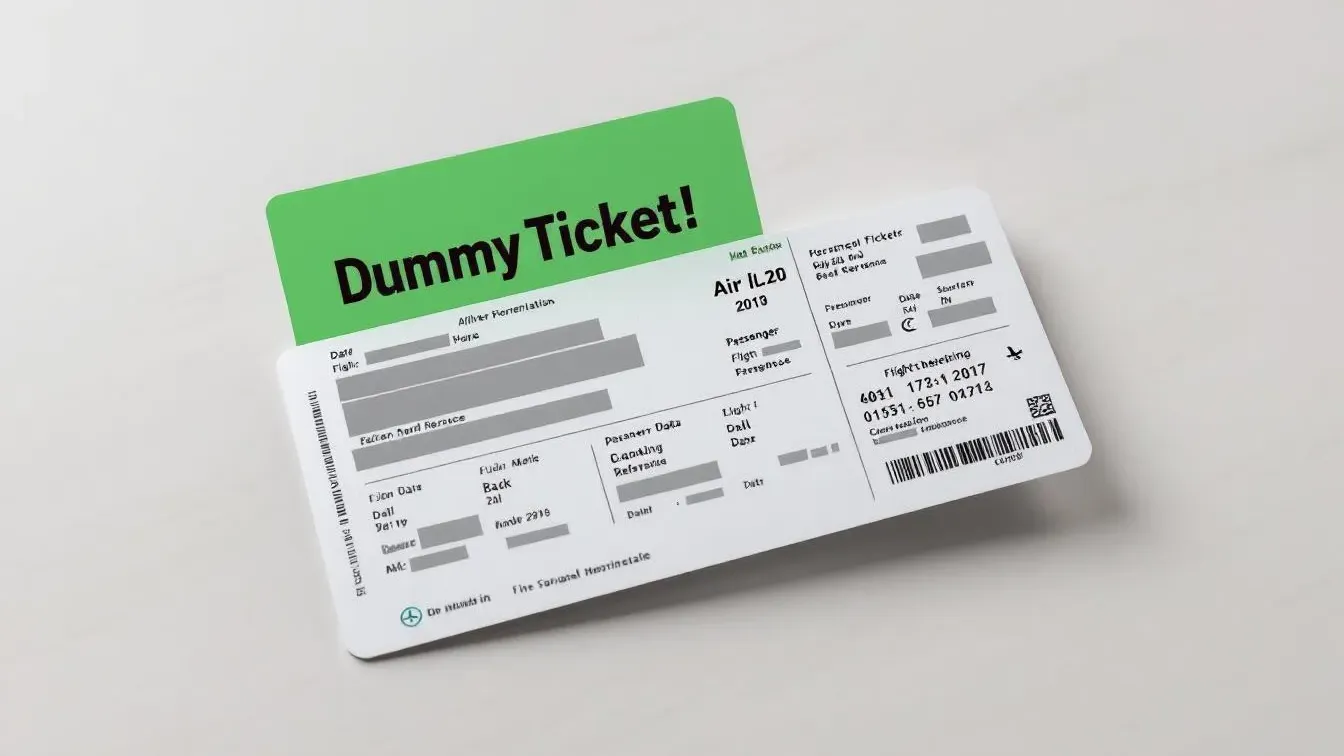

A Canton Fair trip is usually planned with business intent, strict dates, and several moving parts. Visitors are not only choosing flights; they are matching exhibition phases, hotel availability, buyer registration, supplier meetings, and visa timelines.
Applying a dummy ticket for a visa application becomes relevant because many travellers need to show a proposed journey before they are ready to purchase a final air ticket. This is where dummy air ticket booking for China visa helps. It gives the applicant a structured itinerary for the visa file while keeping flexibility until the application decision, appointment timing, and business schedule are clearer.
Canton Fair Visitors Face a Different Travel Planning Problem
A normal tourist can book a flight after choosing a destination. A Canton Fair visitor has to plan around the fair phase. The event is product-category based, so a buyer interested in electronics, machinery, textiles, packaging, homeware, or consumer goods must travel during the correct phase.
This creates a document challenge. The applicant may know the intended fair dates, but the exact return date can still depend on hotel rates, factory visits, or confirmed meetings. If the person purchases a non-refundable ticket too early, any change in appointment or schedule can create financial loss.
That is why dummy air ticket booking for China visa is commonly considered before filing. It allows the traveller to show a clear journey without treating the proposed route as a final purchase.
The Real Purpose of a Dummy Ticket in a Canton Fair File
A dummy ticket is not useful because it “adds one more document.” It is useful because it explains movement. A visa officer should be able to understand when the applicant plans to enter China, how long the stay is expected to be, and when the person intends to return.
For Canton Fair visitors, the itinerary should support:
- The selected fair phase and visit dates.
- The city of arrival and departure.
- Hotel stay duration.
- The purpose is mentioned in the cover letter.
- The applicant’s business schedule.
- Any planned extension after the exhibition.
This is why the document should be treated as part of the wider file, not as an isolated attachment. If the flight itinerary says seven days, the hotel booking says three days, and the cover letter mentions ten days, the file looks careless even if the applicant is genuine.
Why Confirmed Tickets Can Be Risky Before Visa Approval
Many first-time applicants assume that a paid ticket makes the application stronger. In reality, a confirmed ticket does not guarantee approval. It only shows that the applicant has spent money before receiving a decision.
For business visitors, this can be risky because Canton Fair plans often change. An exhibitor may confirm a meeting late. A supplier may invite the buyer to visit a factory after the fair. Hotel availability near Guangzhou may change quickly. The applicant may also need to adjust dates if the visa appointment or processing timeline shifts.
Using dummy air ticket booking for China visa at the preparation stage reduces this pressure. It helps the applicant present a planned journey while avoiding unnecessary cancellation or rescheduling costs before the visa outcome.
Where the Dummy Ticket Fits in the Full Visa File
A strong file is built through consistency. The ticket alone is not the centre of the application. It must work with other papers and support the same purpose.
For a Canton Fair visitor, the file may include business registration documents, bank statements, invitation proof, hotel details, cover letter, passport copies, previous travel history, and visa documentation.
The dummy ticket should connect these documents through dates and route, rather than appear as a separate document added only to complete a checklist.
- Does the arrival date match the purpose of the visit?
- Does the stay period make sense for the fair phase?
- Does the hotel booking support the route?
- Does the cover letter explain why the applicant is travelling?
- Does the return date show a clear intention to come back?
If the answer is yes, the itinerary adds value. If not, the applicant should correct the overall plan before submission.
This is where experienced China tourist visa consultants can help applicants understand whether the file looks complete, consistent, and relevant to the stated travel purpose.
Canton Fair Visa Documents Should Tell One Clear Story
Canton Fair visa documents are often reviewed as a set. If one document creates doubt, the whole file may look less reliable. For example, an applicant may have a valid fair invitation but still weaken the case by submitting unclear travel dates, mismatched hotel proof, or a vague business purpose.
A good file should explain the journey in a natural order. The applicant is travelling to attend the Canton Fair, meet relevant suppliers, explore product sourcing, and return after completing the visit. The travel reservation should support that timeline.
This matters even more for first-time business travellers. When there is no strong previous travel history, document clarity becomes more important. A clean itinerary helps reduce confusion and makes the application easier to understand.
Example: How a Business Visitor Can Use It Correctly
Consider a trader from Punjab who deals in home improvement products and wants to attend the Canton Fair to explore bathroom fittings, lighting, and hardware suppliers. He has shortlisted exhibitors and booked a hotel near the exhibition area, but he may extend the trip if supplier meetings are confirmed after the fair.
In this situation, buying a final ticket too early may not be practical. The applicant can prepare a proposed itinerary showing arrival before the relevant phase and return after the expected meetings. If the dates later become final after visa approval, the confirmed ticket can be purchased accordingly.
Mistakes Applicants Should Avoid
A dummy ticket should make the file stronger, not confusing. Many Canton Fair visitors prepare the itinerary separately from the rest of the file, which creates small mismatches that can make even a genuine application look careless.
Common mistakes include:
- Using a passenger name that does not match the passport.
- Choosing travel dates outside the relevant Canton Fair phase.
- Showing a return date before the stated business purpose is complete.
- Submitting poor-quality screenshots instead of a clean itinerary.
- Adding unnecessary city stops without explaining the reason.
- Keeping hotel dates, cover letter dates, and air itinerary dates consistent.
- Treating the dummy ticket as a replacement for genuine business proof.
Another mistake is treating a dummy air ticket booking for China visa as a standalone solution. It is only a supporting document. The applicant still needs a valid purpose, financial capacity, proper business details, and documents that meet embassy requirements.
For applicants who are unsure how to align the itinerary, fair purpose, hotel booking, and supporting papers, guidance from experienced China tourist visa consultants in India can be useful before submission.
In North India, Flytouch Overseas is known as one of the most reliable China tourist visa consultants in Chandigarh, helping applicants prepare China visa files, review travel documents, and arrange dummy air ticket bookings that match the intended visa itinerary. This is especially useful for Canton Fair visitors, where the travel purpose, fair dates, hotel stay, and proposed flight route need to match carefully before filing.
Why This Matters for First-Time Canton Fair Visitors
First-time visitors often underestimate how much planning the Canton Fair requires. The fair is large, product categories are spread across phases, and serious buyers may need more than one day to compare suppliers properly.
For them, the main benefit of a dummy itinerary is control. It allows them to prepare the file in advance, keep travel dates organised, and avoid rushed ticket purchases. It also helps them review whether their planned stay is realistic.
If the visitor plans only two days for a major sourcing trip, the file may look underprepared. If the stay is too long without explanation, it may raise questions. The itinerary should sit in the middle: practical, explainable, and connected to the stated purpose.
A Better Way to Prepare Before Submission
The safest approach is to build the file from purpose to proof. First, confirm why the applicant is attending the Canton Fair. Then select the relevant fair phase. After that, prepare hotel details, business documents, and the proposed air itinerary.
At this point, dummy air ticket booking for a China visa becomes a useful planning document. It helps the applicant submit a file that looks organised while keeping final purchase decisions for the right time.
Before applying, every Canton Fair visitor should ask: Are my dates justified? Does my route support my purpose? Are my documents consistent? If the file answers these questions clearly, the applicant is in a much better position to move forward with confidence.