
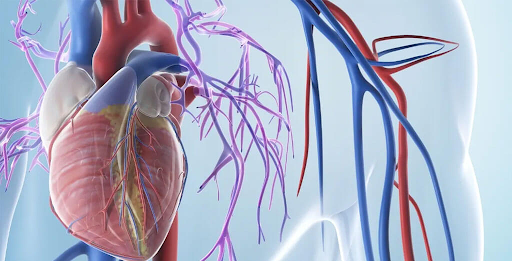

Severe coronary artery disease can significantly reduce blood flow to the heart, leading to chest pain, fatigue, and serious complications. When arteries become blocked, timely surgical intervention becomes essential to restore circulation and protect long-term cardiac health. One of the most commonly performed procedures in such cases is CABG bypass surgery, which reroutes blood flow around blocked arteries to ensure the heart receives an adequate oxygen supply. This procedure has become a cornerstone of modern cardiac care for patients with advanced arterial disease and continues to significantly improve survival rates and quality of life.
Understanding Coronary Artery Blockages
Coronary artery blockages develop when fatty deposits build up inside the arteries over time, narrowing the pathway for blood flow. This condition often progresses silently and may only become noticeable when symptoms begin to affect daily activities or physical endurance.
- Reduced Oxygen Supply to Heart Muscles
When arteries become narrowed, the heart receives less oxygen-rich blood than it needs. This leads to symptoms such as chest pain, shortness of breath, and fatigue during routine physical activities, gradually reducing overall stamina and quality of life. - Progressive Nature of Arterial Disease
Artery blockages tend to worsen over time if not treated properly. Plaque buildup increases gradually, and in severe cases, it may completely obstruct blood flow, increasing the risk of heart attack or sudden cardiac complications. - Impact on Whole-Body Function
Reduced blood circulation affects not only the heart but also vital organs such as the kidneys and brain. This can lead to dizziness, weakness, and decreased organ efficiency, making early intervention extremely important for overall health stability. - Need for Timely Medical Intervention
Early detection through diagnostic tests helps identify the severity of blockages. In advanced stages, surgical treatment becomes necessary to restore proper blood flow and prevent further damage to the heart muscle.
Surgical Approach to Restoring Cardiac Blood Flow
When medications and lifestyle changes are no longer sufficient, surgical procedures are required to restore normal circulation. CABG bypass surgery is a widely performed technique designed to bypass blocked arteries and ensure smooth blood flow to the heart muscle.
- Restoring Blood Flow Through Bypass Pathways
The primary goal of surgery is to create an alternative route for blood circulation. This ensures oxygen-rich blood reaches the heart muscle even when major coronary arteries are blocked or severely narrowed. - Use of Healthy Vessels for Grafting
In advanced cardiac procedures, surgeons rely on healthy blood vessels taken from other parts of the body, such as the leg or chest. These vessels are carefully connected to bypass the blocked artery and restore effective blood circulation to the heart muscle in bypass graft surgery. - Reduction in Cardiac Complications
Surgical intervention significantly lowers the risk of heart attacks and other complications. By improving blood flow, the heart is placed under less strain, which helps improve overall cardiac performance and stability. - Improved Long-Term Heart Function
Once circulation is restored, patients often experience improved energy levels, reduced symptoms, and better physical endurance. Long-term outcomes are significantly better when surgery is performed at the right stage.
Recovery and Post-Surgical Care
Recovery after heart surgery is a critical phase that determines long-term success and heart health stability. Proper post-operative care ensures that the heart heals efficiently and complications are minimized.
- Gradual Return to Daily Activities
Patients are encouraged to slowly resume daily tasks under medical supervision. This gradual process helps prevent strain on the heart while improving physical strength over time. - Medication and Regular Monitoring
After surgery, medications are prescribed to prevent blood clots, control blood pressure, and support heart function. Regular follow-ups help monitor recovery and ensure stable heart performance. - Lifestyle Adjustments for Better Health
A balanced diet, regular light exercise, and stress management play an important role in maintaining heart health after surgery. These habits help prevent future complications and improve long-term outcomes. - Cardiac Rehabilitation Programs
Structured rehabilitation programs are designed to help patients regain strength and improve cardiovascular fitness. These programs provide supervised exercise, education, and emotional support for recovery.
Advancements in Modern Cardiac Surgery
Modern cardiac surgery has evolved significantly, offering safer, more precise, and less invasive treatment options for patients with severe heart conditions.
- Minimally Invasive Surgical Techniques
Smaller incisions reduce trauma to the body, leading to faster recovery, less pain, and shorter hospital stays compared to traditional open-heart procedures. - Enhanced Surgical Precision
Advanced tools and imaging systems allow surgeons to perform highly accurate procedures, reducing risks and improving overall success rates of cardiac surgeries. - Improved Patient Safety Measures
Modern operating techniques are designed to minimize complications during and after surgery, ensuring better outcomes for patients with complex heart conditions. - Faster Recovery and Rehabilitation
Technological advancements allow patients to recover more quickly, helping them return to normal activities in a shorter time frame with improved heart function.
Long-Term Heart Health Management
Long-term care is essential for maintaining the benefits of heart surgery and ensuring sustained cardiovascular health.
- Ongoing Medical Check-Ups
Regular follow-up appointments help track heart performance and detect any early signs of complications, ensuring timely intervention when needed. - Healthy Lifestyle Maintenance
Maintaining a heart-friendly lifestyle is crucial for preventing future blockages. This includes proper diet, exercise, and avoiding unhealthy habits. - Medication Compliance
Continued use of prescribed medications helps regulate blood pressure and cholesterol levels, supporting long-term heart stability. - Prevention of Future Blockages
Preventive care strategies focus on reducing risk factors and ensuring long-term protection against coronary artery disease progression.
Conclusion
Advanced heart surgery plays a vital role in restoring healthy blood flow and improving long-term cardiac outcomes for patients with severe artery blockages. Timely surgical intervention not only relieves symptoms but also significantly reduces the risk of life-threatening complications. In complex cardiac conditions, heart valve replacement may also be required to restore proper heart function and ensure efficient blood circulation throughout the body.
For those seeking highly specialized and trusted cardiac care, Dr. Udgeath Dhir stands out as a leading name in advanced heart surgery. Known for exceptional expertise, precision-driven techniques, and a patient-first approach, he delivers world-class cardiac treatment using the latest medical advancements. His commitment to excellence ensures that every patient receives comprehensive care focused on safety, faster recovery, and long-term heart health, making him a preferred choice for complex heart procedures.