
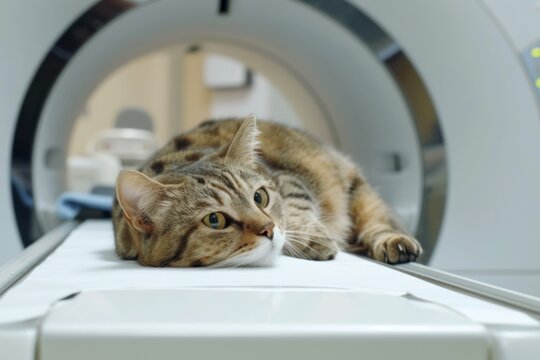

Modern veterinary medicine has evolved significantly over the years, allowing pets to receive the same level of advanced diagnostic care that humans do. One of the most powerful imaging technologies now available in veterinary practice is the CT scan. This advanced tool helps veterinarians diagnose complex conditions with high precision, leading to faster and more effective treatment decisions.
Computed Tomography (CT) scans provide detailed cross-sectional images of a pet’s internal organs, bones, and tissues. Unlike traditional X-rays, which offer limited two-dimensional views, CT scans produce highly detailed 3D images. This makes it easier for veterinarians to detect tumors, internal injuries, infections, and other hidden health issues that may not be visible through standard examinations. Pet owners seeking reliable diagnostic solutions often explore options for Pet CT Scan in Malaysia to ensure their pets receive accurate and timely medical evaluations.
What is a Pet CT Scan?
A CT scan, also known as computed tomography, is an imaging technique that uses X-rays and computer processing to create detailed images of the inside of the body. In veterinary medicine, this technology is used to examine animals that may be suffering from complex or unclear medical conditions.
During the procedure, the pet is placed under general anesthesia to ensure stillness and comfort. The scanner rotates around the body, capturing multiple images from different angles. These images are then combined to create a detailed 3D representation of the internal structures.
This level of detail allows veterinarians to examine areas that are difficult to assess using conventional imaging methods. It is particularly useful for diagnosing conditions in the brain, chest, abdomen, and skeletal system.
When is a CT Scan Recommended for Pets?
CT scans are typically recommended when other diagnostic methods such as X-rays or ultrasounds are not sufficient to determine the cause of a medical problem. They are commonly used in cases involving suspected tumors, neurological disorders, or complex fractures.
For example, if a pet is showing signs of persistent pain, unexplained weight loss, or difficulty moving, a CT scan can help identify the underlying cause. It is also widely used in cases of cancer detection and staging, allowing veterinarians to determine the size, location, and spread of tumors.
CT imaging is also valuable in evaluating internal injuries after accidents or trauma. It provides a clear and detailed view of internal bleeding, organ damage, or bone fractures, helping veterinarians make quick and accurate treatment decisions.
Benefits of CT Scanning in Veterinary Care
One of the most important benefits of CT scanning is its accuracy. The detailed images allow veterinarians to diagnose conditions with a high level of confidence. This reduces the risk of misdiagnosis and ensures that pets receive appropriate treatment without unnecessary delays.
Another key advantage is speed. CT scans can be completed quickly, and the results are available in a short amount of time. This is especially important in emergency situations where immediate diagnosis is critical.
CT scans are also non-invasive, meaning there is no need for surgical procedures to view internal organs. This makes it a safer and more comfortable diagnostic option for pets compared to exploratory surgery.
In addition, CT imaging allows for better treatment planning. Whether a pet requires surgery, medication, or long-term care, the detailed images help veterinarians develop more precise and effective treatment strategies.
The CT Scan Procedure Explained
Before the scan, the veterinarian will conduct a physical examination and may recommend blood tests to ensure the pet is fit for anesthesia. Since pets must remain completely still during the procedure, general anesthesia is used to ensure safety and accuracy.
Once the pet is sedated, they are placed on a movable table that slides into the CT scanner. The machine rotates around the body, capturing images from multiple angles. The procedure usually takes between 10 to 30 minutes, depending on the area being examined.
After the scan is completed, the pet is monitored closely as they recover from anesthesia. Most pets are able to return home the same day once they are fully awake and stable.
Safety and Risks of CT Scans
CT scans are generally considered safe for pets when performed by trained veterinary professionals. The use of anesthesia is carefully managed to minimize risks, and pets are closely monitored throughout the procedure.
The level of radiation exposure during a CT scan is controlled and kept within safe limits. While there is some exposure involved, the diagnostic benefits far outweigh the risks, especially in cases where accurate diagnosis is essential.
Veterinary teams take every precaution to ensure the safety and comfort of the animal during the entire process.
Role of CT Scans in Early Diagnosis
Early detection of disease is one of the most important factors in successful treatment outcomes. CT scans play a crucial role in identifying health issues at an early stage, even before symptoms become severe.
For conditions such as cancer, early diagnosis can significantly improve treatment options and survival rates. Similarly, detecting internal injuries or neurological problems early allows for faster intervention and better recovery outcomes.
By providing a detailed view of internal structures, CT scans help veterinarians identify problems that might otherwise go unnoticed until they become more serious.
Choosing Advanced Veterinary Diagnostic Services
Access to advanced diagnostic tools like CT scanners reflects the quality of veterinary care available in a facility. Pet owners should look for clinics or hospitals that invest in modern technology and have experienced veterinary specialists.
A well-equipped diagnostic center ensures that pets receive accurate assessments and timely treatment. It also reduces the need for multiple tests or referrals, making the process more efficient and less stressful for both pets and owners.
Conclusion
CT scans represent a major advancement in veterinary diagnostics, offering detailed imaging that supports accurate diagnosis and effective treatment planning. From detecting tumors and internal injuries to evaluating complex medical conditions, this technology plays a vital role in modern pet healthcare.
For pet owners, understanding the importance of CT imaging helps in making informed decisions when faced with complex health issues. With advanced diagnostic tools and professional veterinary care, pets can receive the precise treatment they need for a healthier and longer life.