
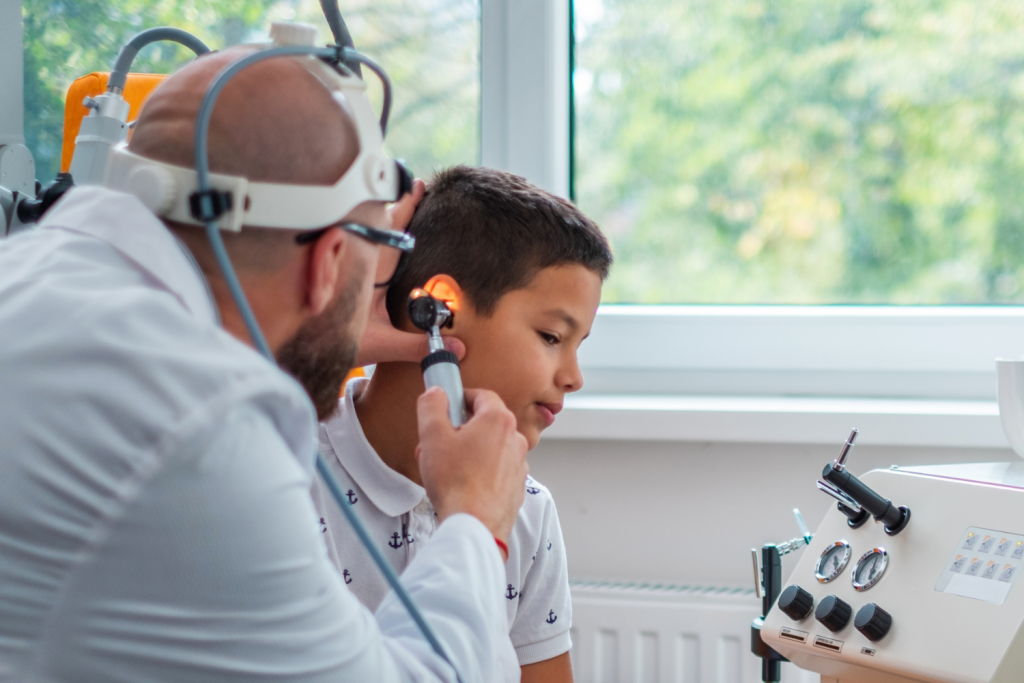

Children are more vulnerable to ear, nose, and throat (ENT) conditions due to their developing immune systems and smaller anatomical structures. Issues such as recurrent ear infections, sinus problems, tonsillitis, and hearing difficulties are common during childhood and can significantly affect a child’s development, learning ability, and overall wellbeing. Early diagnosis and specialized care are essential to ensure proper treatment and prevent long-term complications.
When parents notice persistent ENT symptoms in their children, it becomes important to seek specialized medical attention. Many families turn to a trusted paediatric ent specialist to ensure their child receives expert diagnosis and child-focused treatment. Unlike general ENT care, paediatric ENT specialists are trained to understand the unique medical and emotional needs of children, making treatment more effective and comfortable.
1. Specialized Training for Children’s Conditions
Paediatric ENT specialists have additional training in diagnosing and treating ear, nose, and throat conditions specifically in infants, toddlers, and adolescents. This expertise allows them to identify issues that may be overlooked in general practice.
2. Early Detection of Hearing Problems
Hearing plays a crucial role in speech and language development. Paediatric ENT specialists conduct hearing assessments to detect hearing loss early, ensuring timely intervention that supports proper communication skills.
3. Management of Recurrent Ear Infections
Ear infections are one of the most common childhood illnesses. A paediatric ENT specialist can identify underlying causes and provide targeted treatments to reduce recurrence and prevent complications such as hearing loss.
4. Treatment of Tonsillitis and Adenoid Issues
Enlarged tonsils or adenoids can cause breathing difficulties, sleep disturbances, and recurrent infections. Specialists evaluate whether medical treatment or surgical intervention is necessary for long-term relief.
5. Support for Speech and Language Development
Untreated ENT conditions can delay speech and language development. By addressing hearing and airway issues early, paediatric ENT specialists help ensure normal developmental progress.
6. Child-Friendly Diagnostic Approaches
Children may feel anxious during medical visits. Paediatric ENT clinics use child-friendly examination techniques and equipment to make diagnosis less stressful and more comfortable.
7. Management of Allergies and Sinus Conditions
Children often suffer from allergies that affect breathing and sleep. Specialists provide tailored treatment plans to manage allergic rhinitis and chronic sinus issues effectively.
8. Sleep Disorder Evaluation
Conditions such as obstructive sleep apnea in children are often linked to enlarged tonsils or adenoids. Paediatric ENT specialists evaluate sleep-related issues and recommend appropriate treatment.
9. Prevention of Long-Term Complications
Early treatment of ENT conditions helps prevent complications such as chronic infections, hearing loss, or developmental delays. Timely intervention ensures better long-term health outcomes.
10. Personalized Treatment Plans
Every child is different, and paediatric ENT specialists create customized treatment plans based on age, medical history, and severity of symptoms.
11. Guidance for Parents
Specialists also educate parents on how to manage their child’s condition at home, including medication use, hygiene practices, and preventive care strategies.
12. Surgical Expertise When Needed
In cases where surgery is required, such as tonsillectomy or adenoidectomy, paediatric ENT specialists perform procedures with a focus on safety, precision, and minimal discomfort for children.
Importance of Paediatric ENT Care in Child Development
ENT health is closely linked to a child’s overall development, including speech, learning, and social interaction. Untreated ENT conditions can lead to difficulties in school performance, behavioral issues, and delayed communication skills. This makes early evaluation and treatment extremely important.
Paediatric ENT specialists play a vital role in ensuring that children receive accurate diagnosis and appropriate treatment at the right time. Their expertise not only addresses immediate health concerns but also supports long-term developmental growth and quality of life.
Conclusion
Paediatric ENT specialists are essential for diagnosing and treating ear, nose, and throat conditions in children. Their specialized training, child-friendly approach, and focus on early intervention ensure that children receive the best possible care. By seeking timely treatment, parents can help safeguard their child’s hearing, speech development, and overall wellbeing, ensuring a healthier future.