
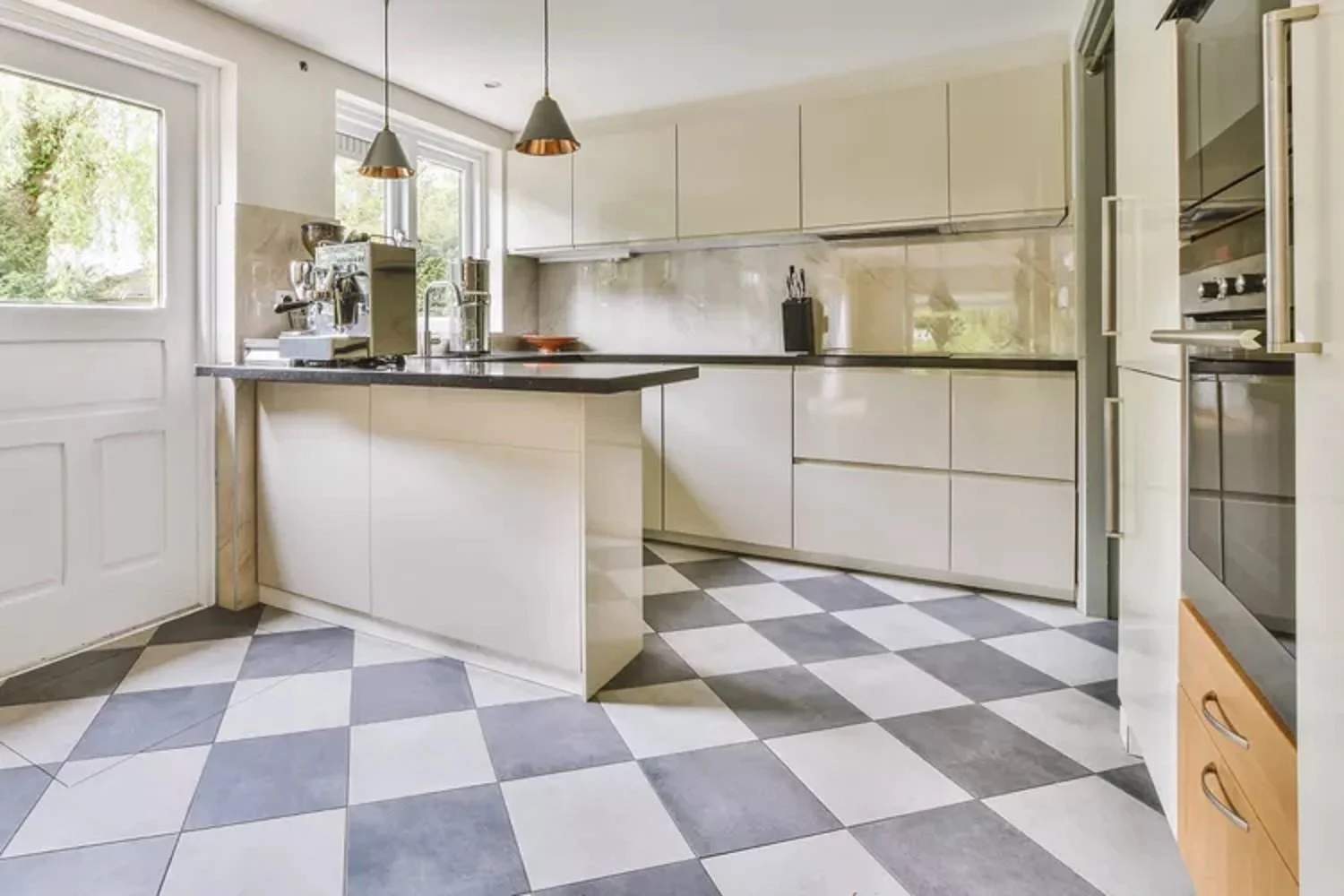

The kitchen has evolved from a purely functional area into a central design element of the home. Today, homeowners focus not only on appliances and layouts but also on surfaces that enhance both beauty and performance. Kitchen floor tiles and kitchen wall tiles design play a crucial role in shaping the overall look, hygiene, and durability of the space. Choosing the right combination can completely transform your kitchen into a stylish and efficient environment.
Importance of Kitchen Floor Tiles
Kitchen floors endure constant movement, heavy utensils, spills, and heat. This makes durability a top priority. Kitchen floor tiles are designed to withstand daily wear while maintaining their appearance over time. High-quality tiles resist stains, moisture, and scratches, making them ideal for busy kitchens. In addition, tiles are easy to clean, helping maintain hygiene—an essential factor in cooking areas.
Popular materials for kitchen floor tiles include vitrified and porcelain tiles due to their strength and low water absorption. Matte-finish tiles are often preferred as they provide better grip and reduce the risk of slipping. Large-format tiles are also trending, as they create a seamless look with fewer grout lines, making the kitchen appear more spacious and modern.
Exploring Kitchen Wall Tiles Design
While floors form the foundation, kitchen wall tiles design adds character and personality to the space. Wall tiles protect surfaces from oil splashes, heat, and moisture while acting as a visual highlight. Backsplash areas, in particular, offer an opportunity to experiment with patterns, textures, and colors.
From classic subway tiles to contemporary geometric patterns, kitchen wall tiles design options are vast. Light-colored wall tiles reflect light and brighten the kitchen, while darker shades create a bold and sophisticated appeal. Textured and patterned tiles can be used selectively to create a focal point without overwhelming the space.
Balancing Style and Function
The key to a well-designed kitchen lies in balancing aesthetics with practicality. Coordinating kitchen floor tiles with wall tiles design ensures visual harmony. Neutral floor tiles paired with expressive wall tiles create a balanced look, while matching tones throughout the kitchen offer a clean and cohesive feel.
Glossy wall tiles are often used to enhance brightness and are easy to wipe clean, whereas matte or satin floor tiles provide comfort and safety underfoot. This thoughtful combination improves both usability and design appeal.
Maintenance and Long-Term Value
One of the biggest advantages of using tiles in the kitchen is their low maintenance. Regular sweeping and simple cleaning keep kitchen floor tiles looking fresh for years. Wall tiles are equally easy to maintain and do not retain stains or odors. Investing in quality tiles ensures long-term value, reducing the need for frequent repairs or replacements.
Conclusion
Kitchen floor tiles and kitchen wall tiles design are more than just surface choices—they define the character, comfort, and efficiency of your kitchen. With the right selection, you can create a space that is durable, hygienic, and visually striking. Whether you prefer a minimal modern look or a bold contemporary style, thoughtfully chosen tiles can elevate your kitchen into a space that truly reflects your home’s personality.