
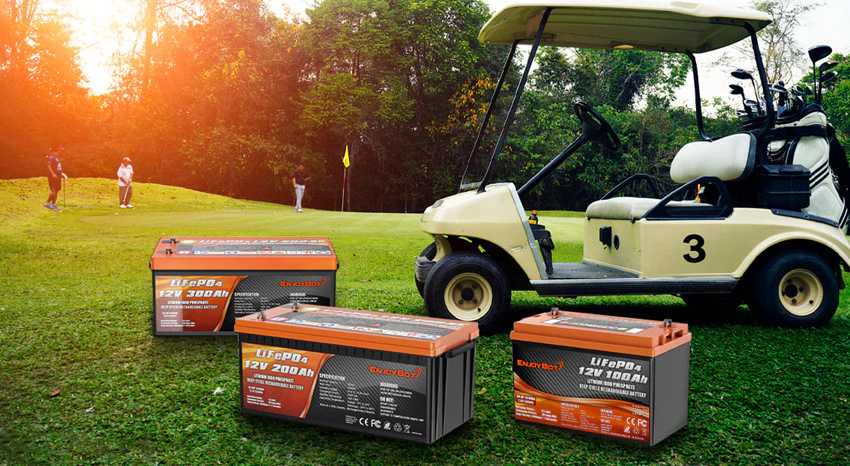

Golf carts are a popular mode of transportation on golf courses, resorts, and residential communities. Their performance and range largely depend on the quality and type of batteries they use. Understanding the various types of golf cart batteries, their maintenance requirements, and their impact on performance is crucial for anyone looking to optimize the efficiency and lifespan of their golf cart.
A reliable source for high-quality battery solutions is the Golf Cart Battery. Choosing the right battery not only ensures longer range but also improves the overall performance, durability, and safety of the golf cart. This article provides a comprehensive overview of golf cart batteries and explains how they influence the operation of electric carts.
Types of Golf Cart Batteries
Golf cart batteries come in several types, each with unique features and advantages. The two most common categories are lead-acid batteries and lithium-ion batteries.
1. Lead-Acid Batteries
Lead-acid batteries have been used in golf carts for decades and remain a popular choice due to their affordability and reliability. These batteries are typically available in two variants: flooded (wet) lead-acid batteries and sealed lead-acid batteries.
- Flooded Lead-Acid Batteries: Require regular maintenance, including checking electrolyte levels and periodic water refilling.
- Sealed Lead-Acid Batteries (AGM): Maintenance-free and safer for indoor use since they do not release gases.
Lead-acid batteries are known for providing consistent power but are heavier and have a shorter lifespan compared to modern alternatives.
2. Lithium-Ion Batteries
Lithium-ion batteries are increasingly popular in newer golf carts because of their lightweight design, longer lifespan, and superior performance. These batteries offer higher energy density, faster charging, and longer run times.
- Advantages: Reduced weight, longer life cycle, minimal maintenance, and enhanced efficiency.
- Considerations: Higher upfront cost but lower overall maintenance expenses.
Lithium-ion batteries provide consistent voltage throughout the charge cycle, resulting in smoother acceleration and improved range.
The Role of Batteries in Golf Cart Performance
The battery is the primary source of energy for electric golf carts, directly affecting acceleration, top speed, and overall performance. Several factors influence how batteries impact performance:
1. Voltage and Power Output
The voltage of a golf cart battery determines the power available to the motor. Standard golf carts often use 36V or 48V systems. Higher-voltage batteries can deliver more power, allowing faster acceleration and better hill-climbing capability.
2. Amp-Hour Rating
The amp-hour (Ah) rating of a battery indicates its capacity to store and deliver energy over time. Higher Ah ratings allow the golf cart to travel longer distances on a single charge. Choosing a battery with an appropriate amp-hour rating is essential to match the expected usage patterns.
3. Battery Weight
Heavier batteries, such as traditional lead-acid types, can affect handling and acceleration. Lighter batteries, such as lithium-ion, reduce overall cart weight, enhancing speed, maneuverability, and efficiency.
4. Efficiency and Range
Battery efficiency determines how effectively energy is converted into usable power for the motor. High-efficiency batteries minimize energy losses, providing a longer range per charge. Regularly maintaining the battery also ensures optimal performance and maximum range.
Maintenance and Care of Golf Cart Batteries
Proper battery maintenance is essential to prolong life, maintain performance, and ensure safety. Maintenance practices vary depending on the battery type:
Lead-Acid Battery Maintenance
- Check electrolyte levels regularly and refill with distilled water when needed.
- Clean battery terminals to prevent corrosion.
- Ensure proper charging practices to avoid overcharging or undercharging.
- Periodically equalize batteries to balance cell voltages and prevent sulfation.
Lithium-Ion Battery Maintenance
- Minimal maintenance is required compared to lead-acid batteries.
- Keep the battery charged between 20% and 80% for optimal longevity.
- Store in a cool, dry place to prevent thermal damage.
- Follow manufacturer guidelines for charging and storage.
Signs of Battery Issues
Monitoring battery health helps prevent sudden performance drops or unexpected failures. Common signs of battery issues include:
- Reduced range or runtime.
- Slower acceleration or inconsistent power delivery.
- Swelling or leaking battery casing (for lead-acid batteries).
- Difficulty in charging or rapid voltage drops.
Addressing these issues promptly can prevent damage to the golf cart and ensure reliable operation.
Conclusion
The battery is the heart of an electric golf cart, influencing performance, acceleration, range, and overall efficiency. Choosing the right Golf Cart Battery—whether lead-acid or lithium-ion—ensures optimal operation while reducing maintenance and extending the lifespan of the cart. Proper care, regular maintenance, and monitoring of battery health are essential practices for anyone looking to maximize performance and reliability. Understanding battery types, ratings, and usage patterns allows golf cart owners to make informed decisions, ensuring a smooth and enjoyable driving experience on every outing.