

Understanding the Importance of Comfort
Comfort plays a significant role in the wudu process, particularly in high-traffic mosques, Islamic centers, and schools. A well-designed wudu area not only facilitates proper ablution but also ensures that users can perform wudu without strain or inconvenience. Ergonomic design, appropriate sink height, and smooth operation are essential elements for achieving a comfortable experience.
Factors Affecting Comfort
Several factors influence comfort during wudu, including the height of the sink, the spacing between basins, and the accessibility of taps and faucets. Poorly designed sinks can lead to bending, stretching, or awkward postures, which may cause discomfort or even minor injuries over time. Additionally, water splashing and inadequate drainage can create slippery floors, reducing both comfort and safety for users.
Using a Wudu Sink with Foot Wash Effectively
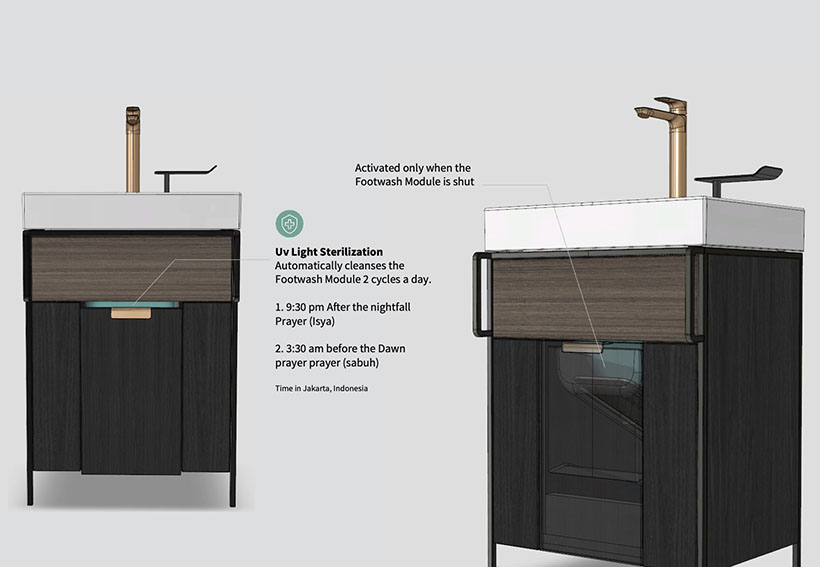
A high-quality Wudu sink with foot wash enhances user comfort by combining hand and foot washing in a single ergonomic unit. These sinks are designed with proper heights for both upper and lower basins, allowing users of all ages to perform ablutions without strain. Smooth, non-porous surfaces simplify cleaning and minimize splashing, creating a hygienic and comfortable environment. Efficient drainage further prevents puddles and water accumulation, reducing the risk of slips and increasing overall comfort.
Accessibility and User-Friendly Design
To ensure comfort, wudu sinks should be accessible for everyone, including children, the elderly, and individuals with mobility challenges. Properly spaced basins allow multiple users to perform ablutions simultaneously without crowding. Thoughtful placement of taps, sensor-operated faucets, and ergonomic basin design contribute to a seamless and comfortable wudu experience, making the area more inviting for users.
Tips for Maintaining Comfort
Regular maintenance is key to sustaining a comfortable wudu area. Keeping sinks and surrounding floors clean, ensuring that drainage systems are functioning properly, and repairing any leaks or damage promptly prevents discomfort and safety hazards. Facility managers should also monitor water temperature and flow to ensure a consistent and pleasant experience for all users.
Material and Design Considerations
Choosing the right materials for the sink and surrounding surfaces enhances comfort and durability. Non-porous, smooth materials such as solid surfaces or treated stone provide a clean and safe environment. Textured foot basins prevent slipping, while smooth hand basins allow comfortable hand and face washing. These materials also make cleaning easier, supporting long-term comfort and hygiene.
Conclusion
A comfortable wudu experience is achieved through ergonomic design, proper sink height, accessible features, and well-maintained facilities. A wudu sink with foot wash that combines these elements ensures that worshippers can perform ablutions efficiently and safely. By investing in thoughtfully designed sinks and maintaining a clean and functional wudu area, mosques, Islamic centers, and schools provide a practical and comfortable solution that benefits all users.