
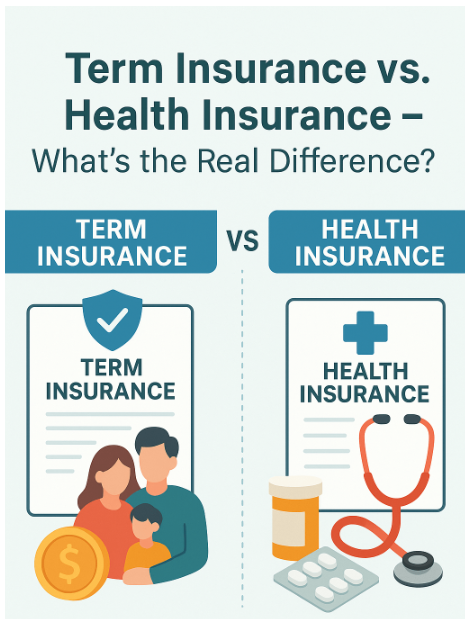

In today’s uncertain world, planning for the future and safeguarding one’s health has become more important than ever. Among the myriad of financial products available, term insurance and health insurance often emerge as vital components of a solid financial plan. Both serve unique purposes, but many individuals are unsure about which one to prioritize. In this article, we will delve into term insurance vs health insurance, examining their key features, purposes, and why understanding these differences is essential when deciding which to buy first.
Understanding Term Insurance
Term insurance, often referred to as life insurance, is a type of insurance policy that provides coverage for a specified period, usually ranging from 10 to 30 years. It ensures that if the policyholder passes away during the policy term, their beneficiaries receive a death benefit. The main purpose of term insurance is to provide financial security to the policyholder’s loved ones in the event of an untimely demise. When comparing insurance options, many individuals consider term insurance as the best life insurance plan because of its affordable premiums, high coverage, and simple structure. Choosing the best life insurance plan depends on your financial goals, family responsibilities, and long-term protection needs.
Benefits of Term Insurance
1. Affordability
Term insurance is typically more affordable than whole or universal life insurance. This cost-effectiveness makes it accessible for people at various financial levels.
2. High Coverage Amount
Because of its lower premiums, individuals can obtain a higher death benefit compared to other types of life insurance, providing more extensive protection to beneficiaries.
3. Simplicity
Term insurance is straightforward. Policyholders pay premiums for a set term, and if they pass away within that period, their beneficiaries receive the payment. If they outlive the policy, there are typically no benefits.
4. Customization
Many insurers offer flexible term lengths and coverage amounts, allowing individuals to tailor their policies according to their financial situations.
Understanding Health Insurance
Health insurance, on the other hand, is designed to cover medical expenses incurred due to illness or injury. It typically includes hospitalization, outpatient visits, surgical procedures, and routine checkups. Unlike term insurance, health insurance does not provide a death benefit, but it is essential for managing healthcare costs.
Benefits of Health Insurance
1. Financial Protection
Health insurance protects against the high costs of medical care, which can otherwise lead to significant financial burdens.
2. Access to Care
Having health insurance ensures that individuals have access to necessary medical services without the worry of crippling expenses.
3. Preventive Services
Many health insurance plans cover preventive services without requiring a copayment, promoting early diagnosis and treatment.
4. Peace of Mind
Knowing that one is covered for unexpected health issues provides peace of mind, allowing individuals to focus on their health rather than stressing over finances.
Comparing Term Insurance vs Health Insurance
When comparing term insurance vs health insurance, the main takeaway is that each serves a fundamentally different purpose. While term insurance focuses on providing financial support to beneficiaries after death, health insurance is focused on managing healthcare costs during the policyholder’s lifetime.
Life Stages and Purchasing Decisions
Your stage in life may also play a key role in determining which type of insurance to purchase first.
Young Adults
If you are in your 20s or 30s, focusing on health insurance might be more critical, especially if you are just starting your career and may have limited savings. Ensuring you can access healthcare without facing excessive financial strain is crucial.
Growing Families
If you have dependents, term insurance may become a priority. It is vital to ensure that your loved ones are financially protected in the event of your passing, especially if you are the primary breadwinner.
Older Adults and Pre-Retirees
For older individuals, a combination of both may be best. Securing health insurance is essential due to the increasing likelihood of health issues as age progresses, and term insurance can serve as a buffer for your family.
Conclusion: Which to Buy First?
Ultimately, the decision on whether to invest in term insurance vs health insurance first depends on your personal circumstances. If you are young and healthy, starting with health insurance could be a prudent choice, as it helps protect you from unexpected medical expenses. However, if you have a family relying on your income, prioritizing term insurance is essential for their long-term financial security. Bajaj Finance offers access to insurance solutions that can help you explore options based on your financial goals and protection needs.
As you evaluate your insurance choices, consider balancing both types of coverage to build a comprehensive financial safety net for yourself and your loved ones. Bajaj Finance provides resources that can help you understand different insurance options and make informed decisions. Consulting a financial advisor or insurance expert can also offer personalized guidance tailored to your unique circumstances, helping you choose suitable coverage.
Investing in both term insurance and health insurance is a proactive step toward securing a stable financial future. Each type of insurance serves a different purpose, and together they can form the foundation of a strong financial strategy. With Bajaj Finance, you can explore insurance options, compare plans, and make informed decisions that support your long-term financial well-being and the protection of your loved ones.