
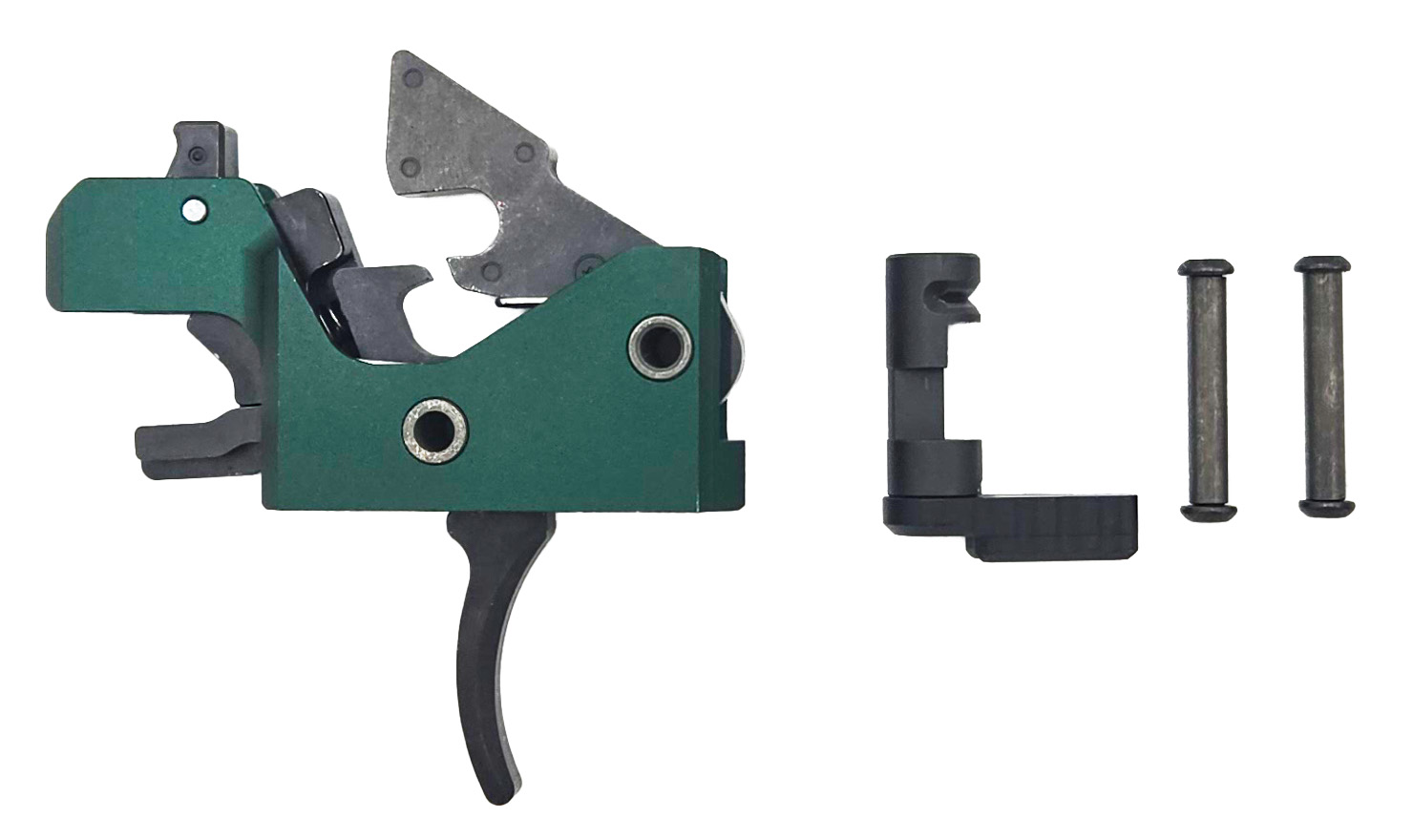

The FRT 15 system is an advanced trigger assembly designed for AR‑15 style rifles, built with an emphasis on mechanical precision, controlled timing, and consistent performance. Unlike standard factory trigger systems, which are often designed to meet baseline functional requirements, the FRT 15 incorporates refined geometry and carefully matched components to enhance responsiveness and reliability. A technical breakdown of the system reveals how each element contributes to its overall operating efficiency.
From an engineering perspective, the FRT 15 functions as an integrated mechanical unit rather than a collection of independent parts. Its performance depends on the precise relationship between the trigger, sear, hammer, disconnector, springs, and receiver interface. Enthusiasts and technical reviewers frequently analyze the frt 15 to understand how its internal architecture differs from traditional trigger assemblies and how those differences influence mechanical behavior during the firing cycle.
Trigger Interface and Input Control
The trigger interface is the point where user input enters the system. In the FRT 15, the trigger shoe is engineered to move along a consistent arc, maintaining uniform resistance throughout the pull. This controlled movement ensures that applied force is transmitted evenly to the internal components, reducing variation in trigger feel.
The geometry of the trigger interface plays a key role in managing leverage and pressure distribution. By maintaining stable alignment during movement, the trigger reduces side loading and unnecessary friction, which contributes to smoother operation and predictable engagement.
Sear Geometry and Engagement
The sear is a central component in the FRT 15 system, responsible for retaining the hammer under spring tension until the moment of firing. The sear’s engagement surfaces are machined to precise angles that balance secure retention with smooth release. This balance is critical for maintaining both safety and performance.
Reduced friction at the sear interface minimizes trigger creep, allowing for a cleaner break. Consistent engagement geometry also ensures that the release point remains uniform across repeated firing cycles, supporting long‑term performance stability.
Hammer Design and Energy Transfer
The hammer in the FRT 15 is designed to efficiently transfer stored spring energy to the firing pin. Its mass, shape, and pivot geometry are carefully balanced to ensure reliable ignition without excessive impact forces. Controlled hammer movement reduces stress on internal components and helps preserve alignment over time.
During operation, the hammer interacts smoothly with both the sear and disconnector. This controlled interaction limits wear and maintains consistent timing throughout the firing cycle.
Disconnector Timing and Reset Control
The disconnector manages the transition between firing and reset. After a shot is fired and the bolt carrier group cycles rearward, the disconnector temporarily captures the hammer while the trigger remains depressed. This prevents premature hammer release and ensures proper sequencing.
As the trigger is released forward, the disconnector transfers control of the hammer back to the sear. In the FRT 15 system, this handoff occurs at a precise point, producing a distinct and consistent reset. Short reset travel enhances responsiveness while maintaining safe mechanical operation.
Spring Systems and Tension Balance
Springs are essential to the timing and reliability of the FRT 15. The hammer spring, trigger spring, and disconnector spring each apply specific forces that regulate movement and engagement. These springs are calibrated to provide reliable function without introducing excessive resistance or sluggish response.
Consistent spring tension ensures proper reset, secure engagement, and reliable hammer energy delivery. High‑quality materials help maintain spring characteristics over extended use, supporting long‑term consistency.
Receiver Interface and Pin Alignment
The interface between the FRT 15 system and the lower receiver is a critical aspect of its technical design. Proper pin alignment ensures that all components remain in their intended positions during operation. Secure engagement prevents lateral movement that could affect geometry or timing.
By fitting precisely within standard AR‑15 lower receivers, the system maintains consistent alignment, which is essential for predictable mechanical interaction and durability.
System Timing and Mechanical Harmony
The defining feature of the FRT 15 system is the way its components operate as a unified mechanism. Each movement is timed to complement the next, creating a smooth and controlled firing cycle. Polished contact surfaces and precise tolerances reduce friction and mechanical noise.
This harmony between components enhances reliability, minimizes wear, and ensures that trigger characteristics remain stable over time.
Safety and Mechanical Integrity
Despite its performance‑focused design, the FRT 15 system incorporates secure engagement points and controlled timing to maintain mechanical safety. Proper installation and regular inspection help preserve this integrity and ensure that the system operates as intended.
Conclusion
The technical breakdown of the FRT 15 system highlights a design built around precision, balance, and coordinated mechanical function. From trigger input to sear engagement, hammer release, and reset control, each component plays a defined role in the firing cycle. By understanding how these elements interact, it becomes clear how the FRT 15 achieves consistent performance and mechanical reliability within AR‑15 style rifles.