
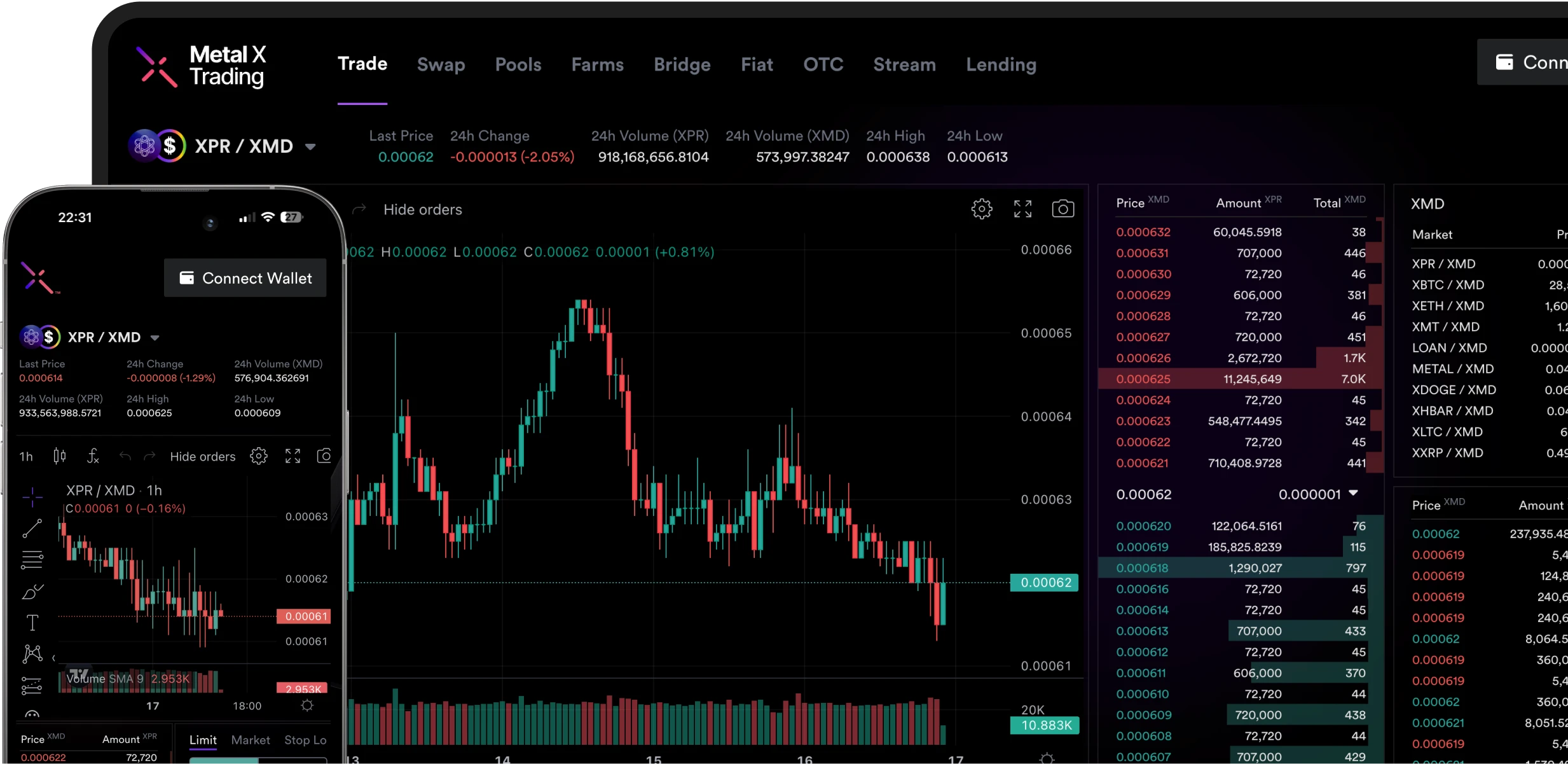

Across metals markets, execution decides everything. Price moves are sharp. Timing windows stay narrow. Traders do not get second chances once volatility expands.
Within that reality, selecting the best metals day trading platform is not about features listed on a page but about how consistently the system performs when pressure builds, when liquidity shifts, and when orders must move without hesitation across global pricing streams.
Execution Infrastructure and Market Connectivity
At the core of metals trading sits execution infrastructure. Orders either go through cleanly or they do not. Systems connected to deeper liquidity pools maintain tighter pricing, alongside more stable fills, even when markets react aggressively to macro triggers or institutional flows.
In practical terms, connectivity defines whether traders see real prices or approximations. Direct access setups reduce latency, combined with better routing logic, allowing positions to be placed without artificial delays that distort decision-making under fast conditions.
Platform Stability and Real-Time Data Flow
During volatile sessions, stability becomes visible. Under heavy load, platforms either hold or break. Systems designed with scalable architecture continue processing orders without freezing charts, without lagging confirmations, plus without disconnecting users when volume spikes sharply.
From a data perspective, real-time flow must remain synchronized. Charts, pricing feeds, alongside execution layers should align perfectly; otherwise, traders operate on mismatched information, which introduces risk before the trade even begins.
Analytical Tools That Support Decision-Making
Inside active trading environments, analysis cannot be slow. Instead, platforms must deliver responsive charting, layered indicators, as well as quick adjustments without forcing reloads or recalculations that interrupt the flow of execution. Tools must respond instantly. Anything slower becomes friction.
More importantly, integrated analytics reduce fragmentation. Trade history, performance tracking, combined with risk metrics should sit inside the same system, eliminating the need to cross-reference external tools while positions remain open.
Chart Customization and Indicators
Across short timeframes, customization defines clarity. Traders adjust layouts, switch indicators, plus refine views within seconds, allowing sharper interpretation of price behavior without breaking concentration.
Order Types and Execution Controls
Through structured execution controls, traders define outcomes before entering positions. Stop-losses, pending orders, alongside automated exits create discipline, especially when volatility expands faster than manual reaction speeds.
Multi-Device Accessibility
Beyond desktop setups, access continues across mobile and web interfaces. Positions are monitored, orders adjusted, exposure controlled, all without dependency on a single device environment.
Integrated Market Data
Within the platform itself, data flows continuously. Pricing feeds, historical movement, as well as real-time updates remain unified, removing inconsistencies that often arise from external data reliance.
Risk Management and Capital Protection
Without risk control, execution strength becomes irrelevant. Inside structured platforms, margin monitoring runs continuously. Exposure limits adjust dynamically. Alerts trigger before positions become unstable, allowing traders to react before losses expand beyond control.
In addition, capital protection frameworks define boundaries clearly. Margin requirements remain visible, combined with safeguards that prevent excessive exposure, ensuring that trading remains structured even during unpredictable conditions.
Account Structures and Trading Conditions
Under trading conditions, cost structure matters immediately. Spreads, leverage, alongside execution models determine whether strategies remain viable across multiple trades within a single session.
According to the client platform, low spreads combined with zero commission structures on most accounts reduce cost friction, while flexible leverage allows controlled exposure adjustments based on strategy rather than fixed limitations.
At this stage, traders revisit what defines the best metals day trading platform, focusing less on surface-level features and more on whether pricing, execution, plus cost efficiency align under real market pressure.
Transparent Pricing Models
With clear pricing, traders calculate outcomes before execution. No hidden costs appear later. Spreads remain defined, commissions predictable, removing uncertainty from each position.
Leverage and Margin Flexibility
Through adjustable leverage, exposure scales according to strategy. Margin systems remain structured, allowing traders to maintain control rather than react to unexpected requirements mid-trade.
Account Types for Strategy Alignment
Across different trading approaches, account types vary accordingly. Scalping, intraday positions, alongside slightly longer holds require different configurations, which platforms accommodate without restricting execution quality.
Regulatory Compliance
Under regulated environments, operational standards stay enforced. The platform operates with SCA Category 1 licensing, ensuring that trading conditions remain supervised within established UAE regulatory frameworks.
Client Support and Market Insight Resources
When issues arise, response speed matters. Support systems operate continuously. Assistance remains available without delay, covering technical interruptions, account queries, as well as execution concerns that may arise during active trading hours.
Alongside support, educational and analytical resources provide structured insight. Market updates, platform guidance, combined with trading materials help refine decision-making without introducing unnecessary complexity.
Technology Integration and Trading Experience
Across integrated systems, usability defines efficiency. Platforms such as MetaTrader 5 deliver multi-asset access, advanced charting, along with automated trading capabilities inside a single interface, reducing the need to switch environments while managing positions.
But does integration alone guarantee performance? Not exactly. Execution speed, system responsiveness, plus workflow simplicity must align with that integration. When they do, the trading experience becomes seamless, allowing traders to operate without interruption or hesitation.
Final Thoughts
What actually holds up when markets accelerate without warning? Not theory. Not features. Execution quality, regulatory strength, alongside infrastructure consistency define outcomes in real conditions. ANAX Capital operates within this framework, offering SCA-regulated access, MetaTrader 5 integration, plus structured trading conditions that support active metals participation. Positioned among metals trading brokers in Dubai, the firm aligns technology, pricing, and market access into a system built for traders who require stability under pressure rather than promises on paper.