
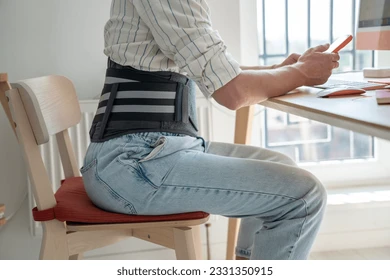

Maintaining proper posture is essential for overall spinal health and comfort. Poor posture can lead to chronic back pain, muscle fatigue, and even long-term spinal issues. Many individuals spend hours sitting at desks, working on computers, or performing repetitive movements that place stress on the lower back. Over time, this strain can cause discomfort and limit mobility. To address these challenges, supportive devices such as a neoprene back brace have become a popular solution for promoting correct posture and reducing strain.
A Neoprene Back Brace is designed to support the lumbar region of the spine while allowing natural movement. Unlike rigid braces that restrict flexibility, neoprene braces offer a combination of compression, warmth, and stability. These features work together to improve posture, reduce muscle fatigue, and enhance overall comfort during daily activities. Understanding how a neoprene back brace functions and the benefits it provides can help users make the most of this support tool.
Encouraging Proper Spinal Alignment
One of the key ways a neoprene back brace improves posture is by promoting proper spinal alignment. Poor posture often results from slouching, leaning forward, or hunching over for extended periods. These positions place excessive pressure on the lower back muscles and ligaments, which can lead to discomfort or injury.
By providing targeted support to the lumbar area, a neoprene back brace encourages the spine to maintain a natural curve. The gentle compression and reinforcement from the brace act as a physical reminder to sit or stand correctly. Over time, consistent use can help train the body to adopt healthier postural habits, reducing the risk of chronic strain and improving overall spinal health.
Reducing Muscle Strain and Fatigue
Lower back muscles are constantly engaged to maintain posture, especially during prolonged sitting or standing. When these muscles become fatigued, they can no longer provide adequate support for the spine, leading to discomfort and poor posture. A neoprene back brace helps alleviate this problem by distributing weight more evenly and supporting the muscles surrounding the spine.
Compression from the brace stabilizes the lower back and reduces unnecessary movement, allowing muscles to work more efficiently. This results in less strain on the muscles and a decreased likelihood of pain or fatigue during daily activities. For individuals who lift objects, perform repetitive tasks, or spend long hours seated, this added support can make a significant difference in comfort and energy levels.
Heat Retention and Muscle Relaxation
Another advantage of a neoprene back brace is its ability to retain warmth. Neoprene material traps heat around the lower back, which helps relax tight or stiff muscles. Warmth improves blood circulation in the lumbar area, delivering oxygen and nutrients to fatigued muscles and promoting faster recovery.
This feature is particularly useful for individuals who experience stiffness after prolonged sitting or physical activity. By keeping the muscles warm and relaxed, the brace reduces tension and encourages better posture, making movement more comfortable.
Supporting Daily Activities and Work
A neoprene back brace is versatile enough to be worn during various daily activities. Office workers can benefit from the brace while sitting at a desk, as it encourages an upright posture and reduces slouching. Individuals performing physically demanding work, such as lifting or bending, gain additional lumbar support, which helps prevent strain and injury.
Because neoprene is flexible and lightweight, the brace allows for natural movement while providing stability. This ensures that users can engage in a wide range of activities without feeling restricted or uncomfortable. The support offered by the brace can also enhance confidence during movement, as users know their lower back is protected.
Complementing Exercise and Core Strengthening
While a neoprene back brace provides external support, it is most effective when combined with regular exercise and core strengthening. Strengthening the muscles that support the spine, including the abdominal and lower back muscles, helps maintain proper posture and reduces dependence on external devices over time.
Stretching and mobility exercises also complement the use of a back brace. Together, these practices enhance spinal stability, improve flexibility, and reduce the likelihood of strain or discomfort during daily activities.
Choosing the Right Neoprene Back Brace
To maximize benefits, it is important to select a high-quality neoprene back brace that fits properly and offers adjustable compression. A brace that is too tight may restrict movement or circulation, while a loose brace may fail to provide sufficient support. Features such as reinforced panels, ergonomic design, and breathable materials can further enhance comfort and effectiveness.
A well-designed brace supports the lower back while allowing for natural movement, making it suitable for long-term use during work, exercise, or daily activities. Proper sizing, adjustment, and gradual introduction to wearing the brace can help users achieve the best results in posture improvement and strain reduction.
Conclusion
A neoprene back brace is an effective tool for improving posture and reducing strain on the lower back. By providing targeted support, gentle compression, and warmth, the brace encourages proper spinal alignment, reduces muscle fatigue, and enhances comfort during daily activities. Its flexibility and ergonomic design allow users to maintain mobility while benefiting from consistent lumbar support. When combined with core strengthening and regular exercise, a neoprene back brace can contribute to long-term spinal health, better posture, and reduced risk of lower back pain.