
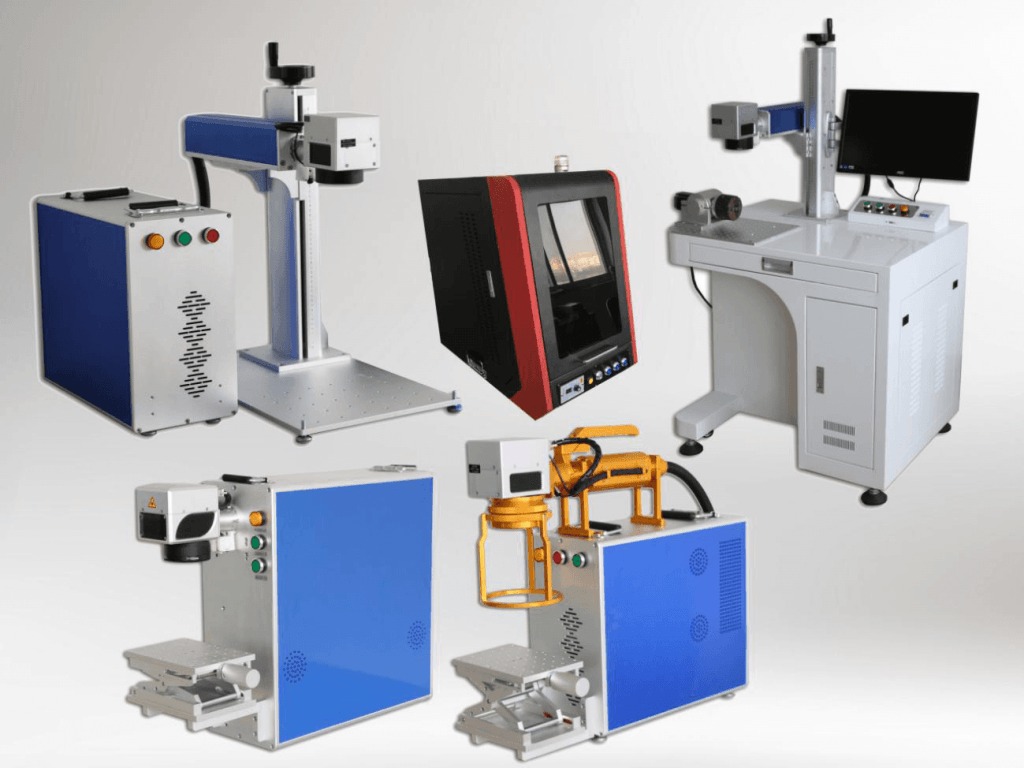

Industrial marking machines are essential tools in modern manufacturing, providing reliable methods to identify, label, and track products. These machines are widely used across various industries, including automotive, electronics, pharmaceuticals, and packaging. By ensuring permanent and accurate markings, manufacturers can maintain quality control, improve traceability, and comply with regulatory requirements. Understanding the different types of industrial marking machines is crucial for selecting the right equipment for specific production needs.
Collaborating with an industrial marking machine manufacturer can help businesses determine the most suitable machine based on materials, production speed, and marking requirements. Manufacturers provide expert guidance on selecting technology that aligns with operational demands, ensuring efficiency and reliability in the production process. With proper selection, industrial marking machines can significantly enhance productivity while maintaining high-quality standards.
Inkjet Marking Machines
Inkjet marking machines are one of the most commonly used types of industrial marking equipment. They work by propelling tiny droplets of ink directly onto a product surface to create text, numbers, barcodes, or logos. Continuous inkjet (CIJ) printers are ideal for high-speed production lines and can mark on moving surfaces or irregularly shaped products. Small character inkjet printers are particularly suited for detailed markings on compact items.
Inkjet marking offers flexibility and speed, making it a preferred choice for industries that require frequent code changes or batch identification. Additionally, inkjet systems are relatively low-maintenance and cost-effective for medium to large-scale production.
Laser Marking Machines
Laser marking machines use focused beams of light to etch permanent marks onto a product surface. This non-contact method is highly precise and can mark a wide range of materials, including metals, plastics, and glass. Laser marking is commonly used for serial numbers, barcodes, QR codes, and logos that require durability and resistance to wear or abrasion.
These machines offer low maintenance, high-speed operation, and long-term reliability. They are especially useful in industries where permanent, tamper-proof markings are essential, such as aerospace, automotive, and medical device manufacturing.
Dot Peen Marking Machines
Dot peen marking machines create indented marks by repeatedly striking the surface of a material with a stylus. These marks are durable and can withstand harsh conditions, making dot peen systems ideal for heavy-duty applications. They are widely used in the automotive, aerospace, and machinery sectors for part identification, serial numbering, and traceability.
Dot peen marking provides permanent and readable marks, even on metal components that may be exposed to heat, chemicals, or mechanical wear. The machines are highly reliable and require minimal consumables, which contributes to their long-term cost-effectiveness.
Thermal Transfer Printers
Thermal transfer printers are used to apply labels or marks on packaging materials and other flexible substrates. These machines use heat to transfer ink from a ribbon onto the product surface, producing sharp and durable images, text, or barcodes. Thermal transfer printers are suitable for medium-volume production where high-resolution marks are required.
This type of marking is particularly popular in the food, beverage, and pharmaceutical industries, where clear, readable packaging information is essential for compliance and customer safety.
Specialized Marking Machines
Beyond the standard types, some industries require specialized marking machines. These include laser engravers for intricate designs, robotic marking systems for complex automation, and multi-head printers for simultaneous marking of multiple products. Specialized machines are often customized to meet specific production requirements and enhance efficiency in unique manufacturing environments.
Key Considerations When Choosing a Machine
Selecting the right industrial marking machine involves evaluating several factors, including:
- Material Compatibility: Ensure the machine can mark the materials used in your production line.
- Production Speed: Match the machine’s speed to your line’s output requirements.
- Marking Size and Quality: Consider the clarity, resolution, and size of the markings needed.
- Durability: Assess if the marks must withstand heat, abrasion, or chemicals.
- Integration: Check whether the machine can be incorporated into automated production systems.
Working with a trusted industrial marking machine manufacturer ensures these factors are thoroughly evaluated, resulting in a solution that meets both current and future production needs.
Conclusion
Understanding the different types of industrial marking machines is essential for manufacturers seeking efficiency, accuracy, and regulatory compliance. From inkjet and laser marking to dot peen and thermal transfer systems, each type offers unique advantages suited to specific applications. Choosing the right machine involves careful consideration of material compatibility, marking quality, production speed, and integration capabilities. Partnering with a knowledgeable industrial marking machine manufacturer helps ensure the selection of equipment that optimizes productivity, reduces errors, and supports long-term manufacturing goals.