
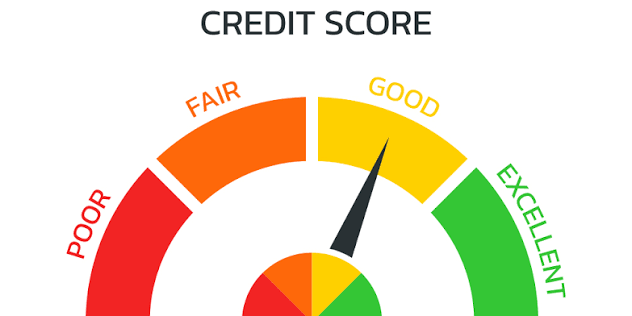

Building a solid credit score is crucial for new borrowers. A good credit score opens up opportunities for favorable loan terms, lower interest rates, and better financial products. If you find yourself asking, “How do you build your credit score?” you’re not alone. This comprehensive guide will help you understand the essentials of establishing and maintaining a robust credit profile.
Understanding Credit Scores
Before diving into the specifics of how to build your credit score, it’s essential to know what a credit score is and why it matters. A credit score is a numerical representation of your creditworthiness, based on the information in your credit report. Ranging from 300 to 850, the score reflects your history of borrowing and repaying money.
You Should Know Your Credit Score
Being aware of your credit score is the starting point for any new borrower. Many financial institutions and online platforms provide free access to your credit score. Knowing where you stand gives you the opportunity to identify areas that need improvement and helps you strategize your approach to building credit.
Steps to Building Your Credit Score
When exploring how do you build your credit score, the most reliable approach is to take consistent, manageable steps that prove your financial reliability to lenders over time.
1. Open a Bank Account
Starting with a checking and savings account can introduce you to the banking system. This not only helps in managing your finances but also sets a foundation for your credit history.
2. Get a Credit Card
One of the most effective ways to build credit is to obtain a credit card. If you’re a new borrower with no credit history, consider applying for a secured credit card. This type of card requires a cash deposit that serves as your credit limit, reducing the risk for lenders.
Tips for Using a Credit Card
- Pay Your Bills On Time: Timely payments account for 35% of your credit score calculation. Set up alerts or autopay to ensure you never miss a payment.
- Keep Your Credit Utilization Low: Aim to use less than 30% of your available credit. For example, if you have a card with a $1,000 limit, try to keep your balance under $300.
- Avoid Opening Too Many Accounts at Once: Each credit inquiry can lower your score slightly, so try to space out your applications.
3. Become an Authorized User
Another effective method involves becoming an authorized user on someone else’s credit card account, such as a parent’s or partner’s. This allows you to benefit from their positive payment history without being responsible for the payments.
What to Consider as an Authorized User
- Ensure that the primary cardholder has a strong payment history and low credit utilization to minimize the risk of negatively impacting your score.
- Understand the terms of the account, as not all credit card issuers report authorized user activity to credit bureaus.
4. Pay Your Bills On Time
Your payment history is the most significant factor affecting your credit score. This encompasses all types of payments, including loans, utilities, and credit cards.
- Create a Budget: Make a budgeting plan to ensure that you can cover all your payments each month.
- Use Reminders or Apps: Leverage technology to remind you when bills are due.
5. Diversify Your Credit Mix
Having a variety of credit types can benefit your score. Consider applying for different types of credit, such as an installment loan (like a car loan) or retail card, in addition to credit cards.
Points to Remember
- Diversity in your credit history can be viewed positively but only take on what you can manage responsibly.
- Do not open multiple kinds of credit accounts all at once, as this may appear risky to lenders.
6. Monitor Your Credit Report
Regularly checking your credit report is crucial for understanding your credit health and ensuring that it is accurate. Because you should know your credit score and what is driving it, reviewing your file regularly helps you catch potential red flags early. Mistakes can negatively affect your score, so be vigilant.
- Request Free Reports: You’re entitled to one free credit report per year from each of the three main credit bureaus: Experian, TransUnion, and Equifax.
- Look for Errors: If you spot any inaccuracies, dispute them with the respective credit bureau to get them corrected.
7. Handle Debt Responsibly
New borrowers might sometimes find themselves in debt. It’s essential to manage this debt sensibly. Here are some strategies:
- Focus on High-Interest Debt First: Use techniques like the avalanche method (pay off the highest interest rates first) or the snowball method (pay off smaller debts first for psychological wins).
- Consider Debt Consolidation: If you’re overwhelmed, consolidating multiple debts into a single loan may simplify payments and lower interest rates.
8. Be Patient
Building a good credit score takes time. Generally, it takes about three to six months of consistent behavior to begin establishing a credit history.
- Set Long-Term Goals: Instead of aiming for immediate results, focus on consistent, responsible financial habits that will lead to better credit over time.
Conclusion
In summary, building your credit score is not an overnight process, but it is certainly achievable with the right strategies. As a new borrower, understanding what factors contribute to your score is vital. From opening bank accounts and obtaining credit cards to ensuring timely bill payments and monitoring your credit report, every action you take matters.
Always remember that building a good credit score is a marathon, not a sprint. Consistency and responsible financial behavior will eventually lead you to a robust credit score that affords you better financial opportunities. So, equip yourself with knowledge, maintain good habits, and take charge of your financial future today!