
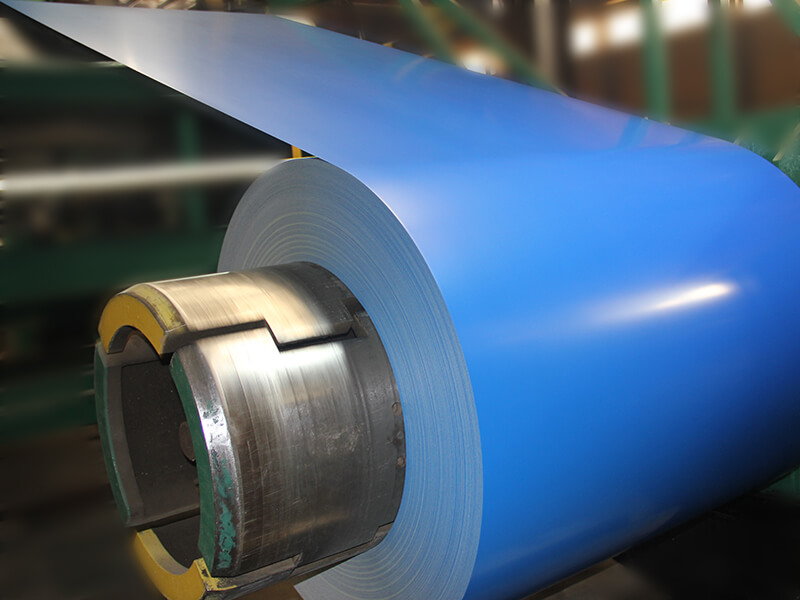

Steel is widely used in construction, manufacturing, transportation, and infrastructure because of its strength, versatility, and relatively straightforward fabrication. However, exposure to moisture, chemicals, salt, and changing weather conditions can gradually cause corrosion, reducing the service life of unprotected steel components. Advanced metallic coating technologies have therefore become increasingly important for improving the durability of steel products.
A Zinc Aluminum Magnesium Steel Sheet is a coated steel product designed to provide enhanced corrosion protection through a metallic alloy containing zinc, aluminum, and magnesium. Each element contributes to the coating’s protective behavior, helping the material withstand demanding environmental conditions. Its combination of durability, formability, and protective performance makes it suitable for applications ranging from building components to industrial equipment and infrastructure.
What Is Zinc-Aluminum-Magnesium Steel Sheet?
Zinc-aluminum-magnesium (ZAM) steel sheet consists of a steel substrate covered with a metallic alloy coating containing zinc, aluminum, and magnesium.
Unlike conventional zinc-coated steel, this coating combines several metallic elements to improve corrosion resistance and influence how the protective layer behaves when exposed to moisture and other environmental factors.
The steel substrate provides the mechanical strength, while the alloy coating helps protect the surface from corrosion.
The exact composition varies by manufacturer and product specification. Some formulations contain relatively small amounts of magnesium and aluminum, while others use different proportions to achieve specific performance characteristics.
How Zinc, Aluminum, and Magnesium Work Together
The effectiveness of ZAM steel comes from the combined properties of its metallic coating components.
1. Zinc Provides Sacrificial Protection
Zinc is more electrochemically active than steel. When the coating is exposed to suitable corrosive conditions, zinc can corrode preferentially, helping protect exposed areas of the underlying steel.
This sacrificial protection is particularly useful when the surface experiences minor scratches or localized coating damage.
2. Aluminum Creates a Protective Barrier
Aluminum contributes to the formation of stable oxide and corrosion-product layers on the coating surface.
These layers help restrict the movement of moisture and corrosive substances toward the underlying metal, supporting the coating’s barrier protection.
3. Magnesium Supports Protective Corrosion Products
Magnesium influences the formation and stability of corrosion products that develop as the coating is exposed to the environment.
These products can help create a relatively dense protective layer, particularly around cut edges and areas where corrosion begins.
The interaction of all three elements gives ZAM coatings their distinctive corrosion-protection characteristics.
Key Features That Make ZAM Steel Sheets Stand Out
Zinc-aluminum-magnesium steel sheets offer several properties that make them useful in applications where conventional coated steel may face demanding exposure conditions.
1. Enhanced Corrosion Resistance
One of the main advantages of ZAM steel is its ability to resist corrosion under a range of atmospheric conditions.
The alloy coating combines barrier protection with sacrificial protection. Its corrosion products can also help slow further degradation of the coating.
This makes the material attractive for applications exposed to humidity, rain, and certain industrial environments. Actual performance still depends on coating composition, thickness, and exposure conditions.
2. Improved Cut-Edge Protection
Cut edges are common corrosion-prone areas in coated steel products because the underlying steel becomes exposed during fabrication.
ZAM coatings can provide improved protection around these areas through the formation and migration of protective corrosion products.
This characteristic can be especially beneficial for roofing panels, brackets, profiles, and other components that require cutting or punching during production.
3. Long-Term Durability
The combination of alloying elements helps the coating maintain its protective function over an extended period under suitable conditions.
A durable metallic coating can reduce the frequency of repairs and replacement, supporting better lifecycle performance.
However, service life is not determined by coating technology alone. Installation practices, environmental exposure, design details, and maintenance also have important effects.
4. Good Formability
ZAM-coated steel is available in grades designed for different forming requirements.
Depending on the substrate grade and coating specification, it can be used for bending, stamping, roll forming, and other manufacturing processes.
Fabrication should follow supplier recommendations to avoid unnecessary coating damage.
5. Reduced Maintenance Requirements
Improved corrosion resistance can reduce the need for frequent protective treatments in appropriate applications.
This can be valuable for building components and industrial installations where access for maintenance is difficult or expensive.
Zinc-Aluminum-Magnesium Steel vs. Conventional Galvanized Steel
Both materials use zinc-based metallic coatings, but their compositions and corrosion behavior differ.
| Comparison Factor | Zinc-Aluminum-Magnesium Steel | Conventional Galvanized Steel |
|---|---|---|
| Coating composition | Zinc, aluminum, and magnesium alloy | Primarily zinc |
| Corrosion protection | Combines barrier and sacrificial mechanisms | Primarily zinc-based sacrificial protection |
| Cut-edge performance | Can provide enhanced protection through protective corrosion products | Exposed edges may require additional consideration |
| Surface behavior | Develops characteristic alloy-coating corrosion products | Develops zinc corrosion products |
| Typical applications | Construction, infrastructure, and industrial components | Roofing, structural components, and general fabrication |
The appropriate material depends on the exposure environment, required coating specification, fabrication process, and project budget. Conventional galvanized steel remains suitable for many applications, while ZAM can offer advantages where enhanced corrosion resistance is important.
Manufacturing Process of Zinc-Aluminum-Magnesium Steel Sheets
The manufacturing process generally uses continuous hot-dip coating technology.
Step 1: Steel Substrate Preparation
Production begins with a steel strip selected according to the required thickness, width, and mechanical properties.
The surface is cleaned to remove oil, dirt, and other contaminants that could affect coating adhesion.
Step 2: Surface Annealing
The cleaned strip may pass through a controlled heating process to achieve the required mechanical properties and prepare the surface for coating.
Atmosphere and temperature conditions are carefully managed during this stage.
Step 3: Hot-Dip Alloy Coating
The steel strip passes through a molten zinc-aluminum-magnesium alloy bath.
A metallic coating forms on the steel surface as the strip moves through the production line.
Step 4: Coating Thickness Control
Gas-wiping equipment controls the amount of molten alloy remaining on the strip.
This process helps manufacturers achieve the specified coating weight and maintain consistency across the product.
Step 5: Cooling and Surface Treatment
The coated strip is cooled under controlled conditions. Depending on the product requirements, additional surface treatments or finishing processes may be applied.
Step 6: Inspection and Packaging
The finished sheet or coil is inspected for coating quality, dimensions, surface appearance, and mechanical properties.
After passing the required quality checks, it is packaged for storage and transportation.
Major Applications of Zinc-Aluminum-Magnesium Steel Sheets
ZAM steel sheets are used in industries that require durable metallic protection and reliable mechanical performance.
1. Construction and Building Components
The material is used in selected roofing accessories, wall systems, structural components, brackets, and support profiles.
Its corrosion resistance can be useful for building components exposed to moisture and changing weather conditions.
2. Solar Mounting Structures
Solar installations often use steel supports and mounting components exposed to outdoor conditions for many years.
ZAM-coated steel can be considered for rails, brackets, and support structures where corrosion resistance and fabrication performance are important.
The coating specification should be checked against the installation environment, particularly in coastal or highly corrosive locations.
3. Agricultural Infrastructure
Agricultural buildings and equipment may experience frequent exposure to moisture, dust, and environmental contaminants.
ZAM steel can be used in selected structural components, fencing systems, support elements, and equipment parts.
Where exposure to fertilizers, animal waste, or aggressive cleaning chemicals is expected, additional compatibility assessment is necessary.
4. Electrical and Utility Equipment
Cable trays, electrical enclosures, support brackets, and utility components often require durable surface protection.
ZAM-coated steel can be suitable for these applications when the material specification meets the relevant electrical, mechanical, and environmental requirements.
5. Transportation and Industrial Manufacturing
Manufacturers may use ZAM-coated steel for fabricated components, equipment housings, brackets, and other products requiring a balance of strength and corrosion protection.
The specific steel grade should be selected according to forming, welding, and load-bearing requirements.
Factors Affecting the Service Life of ZAM Steel Sheets
Although ZAM coatings are designed to improve corrosion resistance, their actual service life depends on several interacting factors.
Coating weight and thickness: A coating with the appropriate specification provides the required level of metallic protection. The correct value depends on the application and expected exposure.
Environmental conditions: Coastal salt, industrial pollutants, persistent humidity, and chemical exposure can influence corrosion behavior.
Steel substrate quality: The base steel must have suitable mechanical properties and dimensional consistency for its intended use.
Fabrication methods: Cutting, bending, punching, and welding can affect the coating. Appropriate procedures help reduce damage during processing.
Installation design: Water traps, poorly sealed joints, and contact with incompatible metals can increase corrosion risks.
Maintenance practices: Periodic inspection and timely repair of damaged areas can help preserve the protective system.
Considering these factors during material selection and installation helps achieve more predictable long-term performance.
How to Select the Right Zinc-Aluminum-Magnesium Steel Sheet
Choosing the correct product requires more than comparing coating prices. Buyers and engineers should evaluate the material against the technical demands of the project.
Important selection criteria include:
- Base metal thickness: Confirm that the steel thickness meets the required structural or fabrication specifications.
- Coating weight: Check the specified alloy coating mass and confirm that it is suitable for the intended environment.
- Mechanical properties: Review tensile strength, yield strength, elongation, and forming requirements.
- Surface quality: Examine coating uniformity, appearance, and any additional surface treatment.
- Fabrication compatibility: Confirm suitability for bending, punching, roll forming, and welding where applicable.
- Environmental exposure: Consider humidity, salt, industrial pollution, and potential chemical contact.
- Applicable standards: Verify relevant ASTM, EN, JIS, or project-specific requirements.
- Supplier quality documentation: Request material test certificates and inspection records to confirm product compliance.
A clear technical specification helps ensure that the selected steel sheet performs as expected throughout its intended service life.
Storage, Handling, and Maintenance Recommendations
Proper storage and handling are important for preserving the coating before installation.
Steel sheets should be kept in a dry, ventilated area and protected from rainwater, condensation, and prolonged contact with moisture. Coils and stacked sheets should be positioned to prevent water from becoming trapped between surfaces.
During transportation and fabrication, lifting equipment and handling procedures should minimize scratches, dents, and edge damage. Cutting tools and forming equipment should be suitable for the material.
After installation, components should be inspected periodically for coating damage, water accumulation, and signs of corrosion. Any damaged areas should be treated using repair products and procedures recommended by the manufacturer.
These practices help maintain the protective coating and reduce avoidable deterioration.
Conclusion
Zinc-aluminum-magnesium steel sheets stand out because their alloy coating combines the protective contributions of zinc, aluminum, and magnesium. This combination can provide enhanced corrosion resistance, improved cut-edge protection, and dependable performance in a range of construction and industrial applications.
Their long-term value depends on selecting the correct coating specification, steel grade, and surface treatment for the intended environment. Proper fabrication, installation, storage, and maintenance are equally important.
When these factors are considered together, ZAM steel sheets can serve as a practical material choice for projects that demand reliable corrosion protection, manufacturing flexibility, and long service life.