
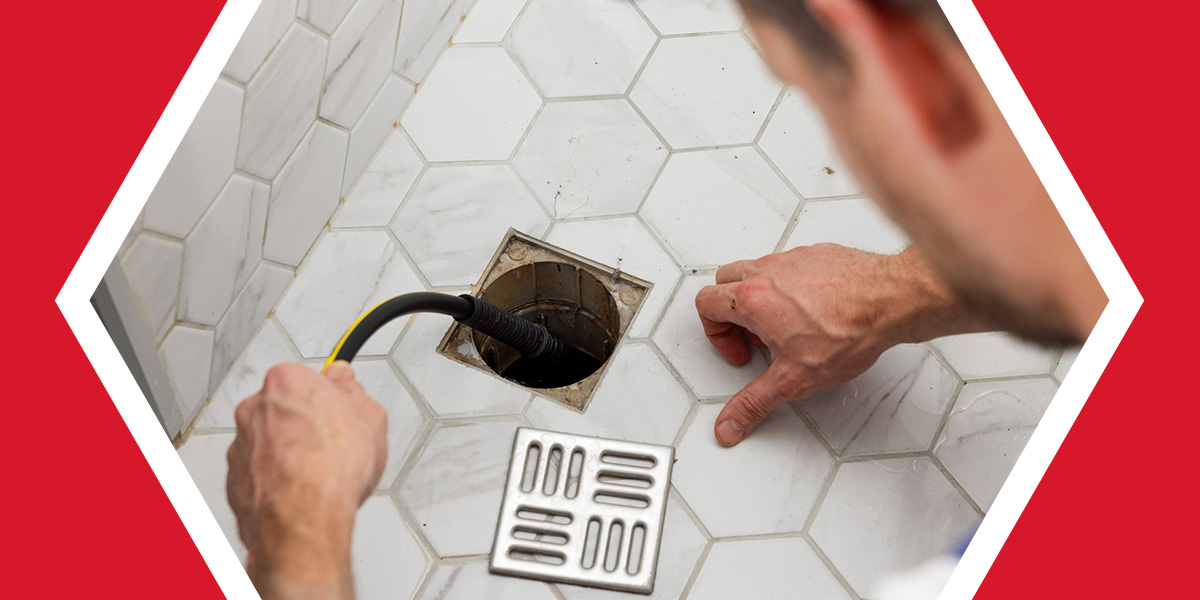

Professional plumbing businesses regularly deal with drainage problems in residential properties, commercial buildings, restaurants, industrial facilities, and public infrastructure. These environments can present different challenges, from grease accumulation in kitchen pipes to heavy sludge deposits in larger sewer lines. Having suitable cleaning equipment allows technicians to handle these jobs efficiently, maintain service quality, and reduce unnecessary downtime.
Selecting the right machine requires more than comparing prices or choosing the most powerful model. Plumbing businesses should consider the types of blockages they encounter, the dimensions of the pipes they service, and the operating conditions at different job sites.
Understanding Commercial Drain Cleaning Machines
A commercial drain cleaning machine is specialized equipment designed to remove obstructions and accumulated deposits from drainage pipes. Depending on its technology, it may use rotating mechanical cables, cutting attachments, or high-pressure water to clear blockages.
Mechanical machines are commonly used to break apart solid obstructions, while water jetting systems help remove grease, sludge, sediment, and residue from pipe interiors. For businesses handling a wide range of maintenance jobs, choosing an appropriate Commercial Drain Cleaning Machine can improve operational flexibility and support consistent cleaning results.
Understanding the available machine types is the first step toward making a practical purchasing decision.
Types of Commercial Drain Cleaning Machines
Different machines are designed for specific drainage conditions. Plumbing professionals should understand their capabilities before investing in new equipment.
1. Mechanical Drain Cleaning Machines
Mechanical machines use rotating cables to reach and break apart blockages inside pipes. Some models include specialized cutting heads for removing certain solid obstructions and root intrusions.
They are useful for:
- Clearing hair and soap buildup.
- Removing selected solid obstructions.
- Breaking apart accumulated debris.
- Cleaning suitable residential and commercial drainage lines.
These machines are available in different sizes, with varying cable lengths and capacities.
2. High-Pressure Water Jetting Machines
Water jetting machines use pressurized water to clean the internal surfaces of pipes. Their nozzles direct controlled water streams toward accumulated material, helping loosen and flush away grease, sludge, sediment, and other deposits.
They are particularly useful for businesses that regularly maintain longer drainage lines or deal with recurring buildup.
3. Portable Drain Cleaning Machines
Portable units are designed for technicians who travel between multiple properties. Their compact construction makes transportation and positioning easier, particularly when working in confined spaces or residential environments.
4. Heavy-Duty Sewer Cleaning Machines
Larger machines are designed for demanding applications involving bigger pipes and extensive drainage networks. They may provide higher cleaning capacity, longer hose reach, and specialized attachments for commercial, industrial, and municipal maintenance.
Key Factors to Consider When Selecting a Commercial Machine
The best machine for a plumbing business depends on its service requirements, customer base, and working conditions. The following factors can help narrow down suitable options.
Pipe Diameter and Cleaning Capacity
Different machines are designed to handle different pipe sizes. A compact unit intended for smaller household drains may not provide the reach or capacity needed for large commercial sewer lines.
Before purchasing, identify the typical pipe diameters your technicians encounter. Select equipment that can handle the required range without being unnecessarily difficult to transport or operate.
Pressure and Water Flow Rate
For water jetting machines, pressure and flow rate are important performance specifications. Pressure helps loosen deposits, while water flow helps carry dislodged debris through the drainage system.
A suitable balance between these factors is more useful than choosing a machine based on maximum pressure alone. Operating settings should always match the pipe material and condition.
Motor and Pump Performance
Mechanical machines require dependable motors capable of supporting regular operation. Water jetting systems need pumps that can maintain suitable pressure and flow under the expected workload.
Consider construction quality, operating capacity, service requirements, and the availability of replacement components.
Cable, Hose, and Nozzle Compatibility
Mechanical machines should support suitable cable sizes and attachments for the blockages being handled. Water jetting systems should provide compatible hoses and nozzle options for different cleaning applications.
Having the right accessories improves versatility and helps technicians adapt their approach to each job.
Portability and Storage
Commercial plumbing technicians often work at several locations in a single day. Equipment should be practical to transport, position, and store.
Consider machine weight, frame design, wheels, hose storage, and access to suitable power and water supplies. Trailer-mounted systems may be appropriate for larger jobs, while compact machines are often more convenient for smaller service calls.
Durability and Build Quality
Commercial equipment may operate frequently in demanding conditions. Strong frames, dependable pumps, quality motors, and durable hoses can help reduce the likelihood of unexpected equipment failures.
Review product specifications and maintenance requirements before making a decision.
Matching Equipment to Your Plumbing Business
Not every plumbing company needs the same type of drain cleaning machinery. The right investment depends on the services offered and the customers served.
Residential Plumbing Services
Businesses focused on household plumbing may benefit from compact mechanical machines and portable cleaning systems. These tools can address common obstructions in sinks, showers, toilets, and smaller sewer connections.
Commercial Building Maintenance
Hotels, shopping centers, offices, and educational facilities often have drainage systems with heavier daily usage. Professional mechanical machines and suitable water jetting equipment can help manage recurring deposits across these properties.
Restaurant and Kitchen Drainage
Commercial kitchens frequently experience grease and food-related buildup. Water jetting systems can help remove suitable deposits from drainage lines, while regular maintenance can reduce the risk of recurring obstructions.
Industrial and Municipal Applications
Industrial facilities and public sewer networks may require heavy-duty machinery with greater reach and cleaning capacity. Businesses serving these sectors should evaluate larger machines and specialized accessories designed for demanding conditions.
Benefits of Investing in the Right Commercial Drain Cleaning Equipment
Selecting suitable equipment can improve several aspects of daily plumbing operations.
Improved Work Efficiency
Machines designed for specific blockage types can help technicians complete many cleaning tasks more effectively than unsuitable or improvised tools.
Broader Service Capabilities
A combination of mechanical cleaning, water jetting, and inspection equipment allows a business to handle a wider variety of drainage problems.
More Consistent Cleaning Results
Appropriate machinery and accessories help technicians use a repeatable cleaning process. This can improve service quality across different job sites.
Reduced Operational Disruptions
Reliable equipment can help businesses avoid delays caused by inadequate cleaning capacity or frequent machine breakdowns. Preventive servicing further supports dependable operation.
Better Long-Term Value
Although professional machines may require a significant initial investment, durability, serviceability, and suitability for regular work can influence their overall value over time.
Maintenance Tips for Commercial Drain Cleaning Machines
Regular maintenance helps protect equipment and maintain performance. Plumbing businesses should establish a routine based on manufacturer recommendations and operating frequency.
- Inspect electrical connections, motors, and controls before use.
- Check mechanical cables for wear, corrosion, or deformation.
- Examine hoses and fittings for leaks, cracks, or damage.
- Clean nozzles and accessories after water jetting operations.
- Store equipment in a dry, secure location.
- Follow recommended servicing schedules.
- Replace worn components with compatible parts.
Technicians should also receive proper training so that equipment is operated within its intended limits.
Safety Considerations for Professional Drain Cleaning
Drain cleaning involves mechanical components, pressurized water, electrical equipment, and potentially contaminated wastewater. Safe operating procedures are essential.
Operators should wear appropriate personal protective equipment, including gloves and eye protection. Before starting a machine, they should inspect its cables, hoses, connections, and controls.
For high-pressure systems, technicians must follow the manufacturer’s instructions and avoid directing water toward people or animals. They should also assess the condition of the pipe before cleaning, since damaged or deteriorated lines may not be suitable for high-pressure jetting.
Conclusion
Selecting a commercial drain cleaning machine is an important decision for professional plumbing businesses. The right equipment should match the pipe sizes, blockage types, service environments, and workload the business regularly handles.
Mechanical machines, portable cleaning units, and high-pressure water jetting systems each offer different advantages. By comparing performance specifications, durability, accessory compatibility, portability, and maintenance requirements, plumbing businesses can make informed equipment choices. With suitable machinery and trained operators, they can provide more reliable drainage services and maintain efficient day-to-day operations.