
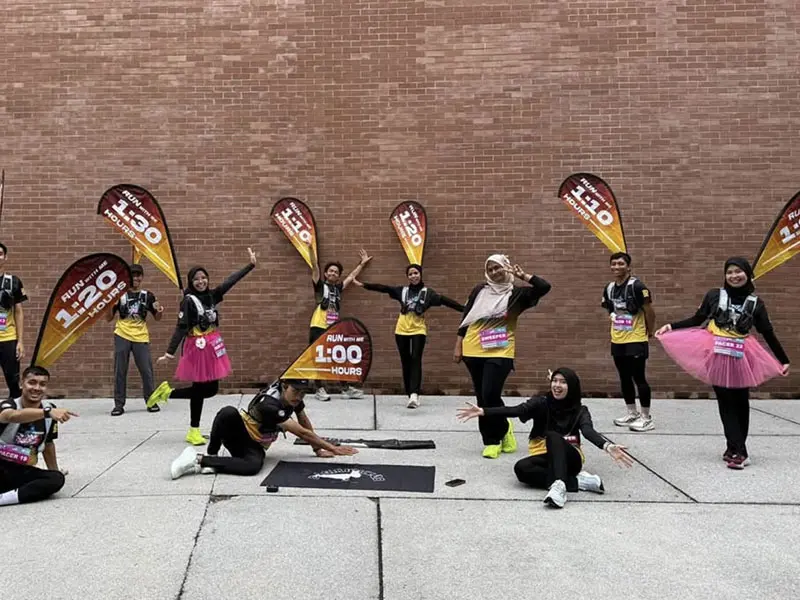

Creating a recognizable brand presence is important for businesses that participate in outdoor promotions, exhibitions, sporting competitions, and public gatherings. With so many signs and advertising materials competing for attention, choosing a display with a distinctive appearance can help an organization communicate its identity more effectively. The shape, placement, and design of promotional materials all contribute to how audiences notice and remember a brand.
An Arc Flag offers a curved advertising format that combines a distinctive outline with a practical vertical display area. Businesses can use this style to showcase logos, product information, and campaign messages in locations where visibility matters. Whether installed outside a retail store or beside an event booth, arc flags can help create a coordinated and recognizable promotional presentation.
What Is an Arc Flag?
An arc flag is a type of promotional flag featuring a curved or arched profile. Its shape distinguishes it from traditional rectangular banners and other common flag styles. Typically made from printed fabric and supported by a compatible pole system, it is designed to display advertising graphics in a tall, noticeable format.
The curved outline gives businesses another way to present their visual identity. Depending on the design, arc flags may be available in different sizes and configurations to suit various promotional environments.
Their relatively compact footprint also makes them useful in locations where businesses want additional branding without installing large advertising structures.
Why Arc Flags Are Useful for Business Branding
A promotional display should do more than carry a company logo. It should help people recognize the brand, understand the message, and associate the visual presentation with the business.
Creating a Distinctive Appearance
The curved profile gives arc flags a recognizable silhouette that differs from conventional straight-edged banners. This can help businesses create a display that stands apart from nearby signs and promotional materials.
Using the same flag shape and graphic style across several locations can also support a consistent brand identity.
Making Better Use of Vertical Space
Arc flags use height to make advertising visible while generally requiring less ground space than larger display structures. This is useful for storefronts, exhibition booths, event entrances, and outdoor promotional areas.
Their vertical format allows businesses to position branding where it can be seen without taking up extensive floor or pavement space.
Supporting Consistent Brand Messaging
Businesses can customize flags with their brand colors, logos, slogans, and product graphics. When these elements match other promotional materials, they create a more unified appearance.
This consistency can be particularly valuable for companies running campaigns across several branches, events, or temporary marketing locations.
Attracting Attention in Busy Environments
A distinctive shape, clear graphics, and suitable positioning can make a flag easier to notice. Outdoor fabric displays may also move with the breeze, adding motion to the presentation.
The overall impact depends on the flag’s size, surroundings, weather conditions, and viewing distance.
Where Businesses and Event Organizers Can Use Arc Flags
Arc flags can support different marketing activities across commercial and public environments. Their applications depend on the display requirements and available installation space.
Retail Stores and Shopping Centers
Retailers can use arc flags outside their premises to highlight seasonal promotions, new arrivals, discounts, and store branding. Placing a flag near an entrance can help customers identify the business from nearby pedestrian areas.
For shopping centers, coordinated displays can also help promote individual stores or special shopping events.
Trade Shows and Exhibitions
Exhibitors often need to distinguish their booths in venues filled with competing brands. Arc flags can provide additional height and visual identity beside a display area.
They can feature company names, product categories, or short promotional messages, complementing larger exhibition graphics without requiring extensive floor space.
Sporting Competitions
Sports events bring together participants, spectators, sponsors, and vendors. Arc flags can display sponsor identities, team branding, and event information around suitable gathering areas.
Organizers may use coordinated designs to create a consistent visual presentation near entrances, registration points, and spectator zones.
Festivals and Community Events
Public festivals often include multiple vendors, activity areas, and information points. Arc flags can help distinguish individual spaces while contributing to the event’s overall visual identity.
Different graphics or colors can also make it easier for attendees to recognize particular sections.
Corporate Events and Product Launches
Businesses can incorporate arc flags into product launches, promotional campaigns, conferences, and company celebrations. They may be positioned around reception areas, presentation spaces, or product demonstration zones.
A coordinated arrangement can reinforce the event theme and create a more professional setting for guests and visitors.
Customization Options for Effective Branding
One of the main advantages of promotional flags is the ability to adapt their graphics to specific marketing objectives. A well-planned design should reflect the business while remaining easy to understand at a glance.
Brand Colors and Logos
Using consistent colors and recognizable logos helps audiences connect the flag with the company. The logo should be large enough to remain identifiable from the expected viewing distance.
Promotional Messages
Short messages can communicate an offer, product benefit, or campaign theme. Avoid filling the flag with long descriptions because people may only have a few seconds to view it.
Product Images and Graphics
High-quality photographs and illustrations can make a promotional display more engaging. Businesses should choose images that remain clear when printed on fabric and fit the curved layout appropriately.
Campaign-Specific Designs
Flags can be created for seasonal offers, new product releases, store openings, and special events. Businesses can update the printed graphics while retaining a consistent display style across their marketing activities.
Choosing the Right Arc Flag for Your Requirements
Selecting a suitable flag involves considering its intended location, expected frequency of use, and supporting equipment.
Consider the Flag Size
The size should suit the available space and the distance from which people will view the display. A larger flag may be appropriate for open outdoor areas, while a compact version may work better near a small storefront or exhibition booth.
The printed message should remain readable without making the display look overcrowded.
Evaluate Fabric Quality
Fabric affects the appearance, durability, and handling of a promotional flag. Businesses should review material strength, stitching, print quality, and suitability for indoor or outdoor use.
For repeated outdoor campaigns, ask about resistance to sunlight and general environmental exposure.
Check Pole Construction
The pole system should support the flag’s shape and dimensions. Fiberglass and aluminum are common materials in portable flag equipment, although the appropriate choice depends on the product design and intended application.
Check that connectors and fittings are compatible and designed for regular assembly.
Select an Appropriate Base
The base should match both the flag system and the installation surface. Ground spikes may be suitable for certain soft surfaces, while cross bases or weighted options may work on compatible hard flooring.
For outdoor installations, consider exposure to wind and follow the manufacturer’s stability recommendations.
Think About Portability
Businesses that attend multiple events may prefer lightweight equipment with detachable components. A suitable carrying case can simplify transportation and protect the flag system during storage.
Design Tips for More Noticeable Arc Flag Displays
An attractive flag needs a clear message to support effective branding. The following design practices can help improve its visual impact:
- Establish a focal point: Make the logo, business name, or primary offer easy to recognize.
- Keep the message brief: Use concise wording that people can understand quickly.
- Choose contrasting colors: Strong contrast improves the readability of text and graphics.
- Use clear typography: Select fonts that remain legible from a distance.
- Maintain visual balance: Avoid placing too many elements in a small area.
- Respect the curved shape: Arrange graphics to fit the printable outline without awkward spacing or distortion.
Before production, review the artwork against the manufacturer’s template to confirm that important content is positioned correctly.
Best Practices for Installing Arc Flags
Placement can influence how effectively a flag communicates its message. Businesses should consider pedestrian movement, viewing angles, nearby signs, and possible obstructions.
Suitable locations may include:
- Store entrances and outdoor retail areas.
- Exhibition booth boundaries.
- Event registration and information points.
- Designated sponsor display zones.
- Promotional areas near product demonstrations.
Flags should be installed according to the manufacturer’s instructions and positioned so they do not block accessible routes, emergency exits, or vehicle movement.
For outdoor use, check local weather conditions and remove the display when conditions exceed its recommended operating limits.
Maintaining Arc Flags for Repeated Use
Regular care helps preserve the flag’s appearance and supporting components. After each event or campaign, inspect the fabric for tears, loose stitching, and other signs of wear.
Clean the material according to the manufacturer’s guidance and allow it to dry completely before storage. Check the pole, connectors, and base for damage before reinstalling the display.
Storing the equipment in a protective bag or case can also reduce damage during transportation. Replacing worn components before use helps maintain a more reliable display.
Conclusion
Arc flags provide businesses and event organizers with a distinctive way to present their brands in commercial and public spaces. Their curved profile, vertical format, and customizable graphics make them suitable for retail promotions, exhibitions, sporting events, festivals, and corporate activities.
By selecting appropriate materials, choosing compatible supporting equipment, and developing clear designs, businesses can create promotional displays that complement their wider marketing efforts. Careful placement and regular maintenance further help ensure that arc flags remain practical and visually appealing across different campaigns.