
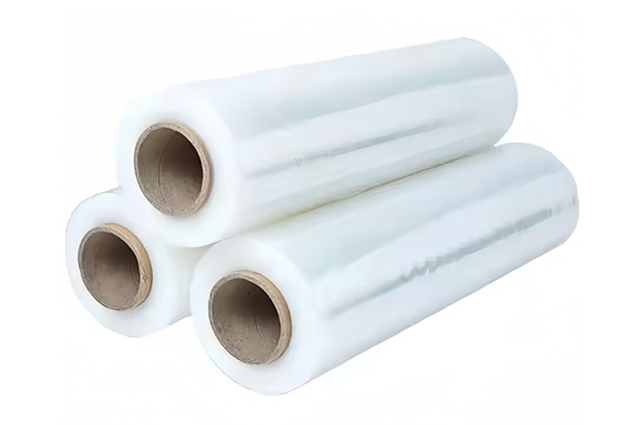

PVA water soluble film is widely used for applications where packaging needs to disappear or break down when it comes into contact with water. One of the most important factors affecting its performance is film thickness. Thickness can influence how quickly the film becomes hydrated, how long it takes to dissolve, and how well it performs during packaging, handling, and storage.
For manufacturers and users, understanding the relationship between film thickness and dissolution can help improve packaging consistency and product performance. PVA Water Soluble Film supplied by companies such as POLYVA can be produced in different thickness ranges to meet application-specific requirements. Choosing an appropriate thickness involves balancing dissolution behavior with mechanical strength and processing needs.
What Is PVA Water Soluble Film?
PVA water soluble film is generally made from polyvinyl alcohol, a polymer known for its ability to interact with water. Depending on its formulation and processing conditions, the film can be designed to dissolve or disperse under specific water conditions.
Unlike conventional plastic packaging, PVA film is intended to interact with water as part of its functional purpose. This makes it useful for single-dose packaging, detergent products, agricultural chemicals, industrial materials, and other applications where controlled water solubility is required.
The film’s formulation, degree of hydrolysis, additives, environmental conditions, and thickness all contribute to its final dissolution characteristics.
Why Film Thickness Matters
Film thickness determines how much material water needs to penetrate and dissolve. A thinner film generally presents less polymer material for water to hydrate, while a thicker film contains a larger amount of polymer that must be affected before complete dissolution occurs.
However, thickness does not work independently. A film’s chemical composition and manufacturing process can have a significant effect on its water behavior. Therefore, two films with similar thicknesses may not necessarily dissolve at exactly the same rate.
Thickness should be viewed as one important design variable rather than the only factor controlling dissolution.
How Thinner PVA Film Affects Dissolution
Thinner PVA film typically requires less time for water to penetrate through the film structure. When exposed to suitable water conditions, hydration can begin quickly across a relatively small material thickness.
This characteristic can be useful for applications that require rapid dissolution or quick release of packaged contents. For example, certain single-dose products may benefit from film that disappears promptly after being introduced into water.
However, reducing thickness also changes the film’s physical properties. Extremely thin film may require more careful handling during manufacturing, packaging, transportation, and storage.
Advantages of thinner film
A thinner film may provide:
- Faster water penetration
- Shorter dissolution times under suitable conditions
- Lower material consumption per package
- Reduced film volume in some applications
- Greater suitability for rapid-dissolving product formats
The actual performance still depends on the formulation and intended water conditions.
How Thicker PVA Film Affects Dissolution
As film thickness increases, water may require more time to penetrate and interact with the complete film structure. The additional material can therefore contribute to a longer overall dissolution period.
This characteristic can be beneficial when an application requires more controlled dissolution rather than immediate disappearance. Thicker film can also provide increased resistance to tearing and handling damage in some packaging designs.
For industrial products, the additional mechanical strength associated with a thicker film may be more important than achieving the shortest possible dissolution time.
Advantages of thicker film
Depending on the formulation, thicker film may provide:
- Improved mechanical strength
- Greater resistance to handling damage
- Better support for heavier contents
- Increased durability during packaging
- More controlled dissolution behavior
The goal is not necessarily to select the thinnest available film. Instead, the thickness should match the requirements of the final package.
The Relationship Between Thickness and Water Temperature
Water temperature can significantly influence the dissolution behavior of PVA film. In many applications, warmer water promotes faster hydration and dissolution, while colder water can slow the process.
This means that the effect of thickness can vary according to the temperature in which the package is used.
For instance, a film that dissolves rapidly in warm water may behave differently in cold water. If the product is designed for a specific temperature range, film thickness should be evaluated under realistic operating conditions rather than under only laboratory conditions.
Water Movement Also Influences Dissolution
Agitation and water movement can affect how quickly water reaches the film surface and carries dissolved material away.
A thin film placed in moving water may dissolve quickly because fresh water continuously contacts its surface. A thicker film under the same conditions may require additional time.
In contrast, a film exposed to stagnant water may show slower dissolution even when its thickness is relatively low.
For this reason, dissolution testing should consider not only film thickness but also the expected water environment.
Film Thickness and Mechanical Strength
One of the main reasons manufacturers cannot simply make every PVA film extremely thin is mechanical performance.
Packaging film needs to survive processes such as unwinding, cutting, forming, filling, sealing, and transportation. If the material is too thin for the intended application, it may become more vulnerable to tearing, stretching, puncturing, or deformation.
A thicker film can provide additional material strength, although the exact improvement depends on the polymer formulation and manufacturing process.
This creates an important balance between dissolution speed and physical durability.
Film Thickness and Package Weight
The quantity of film used for each package is also related to thickness. For a package with a fixed surface area, increasing film thickness generally increases the amount of polymer material used.
This can affect production costs, package weight, and material efficiency.
Manufacturers therefore need to consider whether the added strength or controlled dissolution provided by thicker film justifies the additional material. For high-volume packaging applications, even a small change in film thickness can have a noticeable effect on overall material consumption.
How Film Formulation Changes the Effect of Thickness
Thickness alone cannot determine the exact dissolution time of PVA film.
The polymer’s degree of hydrolysis, molecular characteristics, plasticizer content, additives, and processing conditions can all influence water interaction. These factors may affect how readily the film hydrates and breaks down in water.
Consequently, thickness comparisons should ideally be made between films with similar formulations and manufacturing specifications.
When comparing different suppliers, looking only at thickness numbers may not provide enough information to predict real-world performance.
Choosing the Right Thickness for Different Applications
Different products require different combinations of strength and dissolution performance.
Single-dose cleaning products
Cleaning products often require packaging that can dissolve after being placed into water. Depending on the product weight and intended use conditions, a relatively thin film may be suitable when rapid dissolution is important.
Agricultural products
Agricultural chemicals may require film that is strong enough to withstand handling while still dissolving effectively when introduced into water. The appropriate thickness depends on package size, formulation, handling requirements, and application method.
Industrial chemicals
Industrial products can require stronger packaging because of heavier contents or demanding handling conditions. In these cases, a thicker film may provide useful mechanical properties while maintaining the required water-soluble characteristics.
Specialty packaging
For specialized applications, film thickness can be adjusted together with formulation and package design to achieve a particular balance between handling performance and dissolution behavior.
Testing Film Thickness and Dissolution Together
A reliable evaluation should examine thickness and dissolution as connected properties.
A basic testing process may measure:
- Film thickness at multiple points across the material.
- Water temperature during testing.
- Water volume and composition.
- Agitation or water movement.
- Time required for disintegration or complete dissolution.
- Mechanical performance before water exposure.
- Performance after appropriate storage conditions.
Testing multiple samples is also important because film properties can vary across production batches.
Why Thickness Uniformity Is Important
Consistent thickness across a film roll can contribute to more predictable packaging performance.
If some areas are significantly thinner than others, those sections may behave differently during sealing, handling, or dissolution. Uneven thickness can therefore create inconsistencies in package quality.
Modern manufacturing processes use controlled production parameters and inspection methods to maintain appropriate film uniformity. Thickness measurements can be performed at different positions to identify variations before the material reaches the packaging stage.
Storage Can Influence Dissolution Performance
PVA film is sensitive to environmental conditions, particularly moisture. Improper storage can change the physical characteristics of the film and potentially affect its handling and water interaction.
Even when the nominal thickness remains unchanged, exposure to unsuitable humidity or temperature may influence flexibility and other performance characteristics.
For this reason, film should be stored according to the manufacturer’s recommended environmental conditions and packaging should remain protected until use.
Balancing Dissolution and Packaging Performance
Selecting PVA film thickness is ultimately a balancing process.
A film that is too thin may provide excellent water penetration but insufficient strength for the production process. A film that is too thick may offer improved durability but take longer to dissolve under the same water conditions.
The ideal specification depends on the complete application, including package dimensions, product weight, sealing method, transportation requirements, and expected dissolution environment.
Instead of selecting thickness based on a single target number, manufacturers should evaluate the complete set of performance requirements.
Conclusion
PVA water soluble film thickness has a direct role in how the material interacts with water, but it is only one part of the dissolution equation. Thinner films can generally allow quicker water penetration, while thicker films can provide additional mechanical support and more controlled dissolution.
Temperature, water movement, film formulation, storage conditions, and package design also influence the final result. By testing these factors together, manufacturers can select a film thickness that provides an appropriate balance between dissolution performance, durability, and production efficiency.
For any application involving water-soluble packaging, the most effective approach is to treat film thickness as part of a complete material specification rather than as an isolated measurement.