
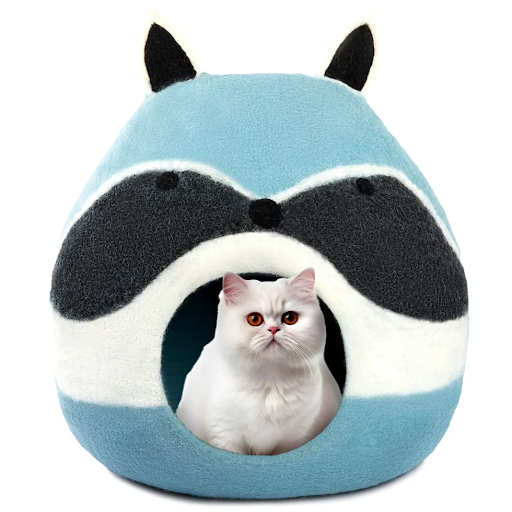

Cats may spend hours exploring, playing, and following their owners around the house, but when it is time to rest, they often look for one thing: a quiet place where they can feel completely secure. That is why choosing the right indoor cat house setup can make a meaningful difference in your pet’s comfort. An enclosed space gives cats a private retreat where they can sleep, hide, observe their surroundings, or simply enjoy some uninterrupted downtime.
Unlike ordinary cushions or open beds, enclosed cat houses can recreate the feeling of a small den. For cats that naturally seek corners, boxes, shelves, or covered spaces, this type of environment can feel especially inviting. A well-designed cat house can therefore become more than another piece of pet furniture; it can become a space your cat associates with relaxation and security.
Why Cats Prefer Their Own Private Space
Cats are naturally drawn to sheltered areas. Even in a busy household, they often choose quiet corners where they can retreat to rest. An enclosed bed provides that sense of privacy while still letting the cat stay close to the family.
A dedicated resting space can also be useful in homes with multiple pets. Instead of competing for a favourite sofa or chair, a cat can have its own little area. The enclosed structure creates a physical boundary between the cat and everyday household activity, helping establish a predictable resting environment. This is one reason cave-style beds have become increasingly popular among pet owners. Their shape provides warmth, privacy, and a feeling of protection while taking up relatively little space.
What Makes a Good Cat House Indoor Option?
When selecting an indoor cat house, appearance is only one consideration. Comfort, construction, material, size, and maintenance all matter.
1. Choose a Comfortable Material
The material should feel pleasant against the cat’s body while being durable enough for everyday use. Natural wool felt is particularly interesting because wool insulates while staying breathable.
A quality felt structure can also retain its shape while providing a soft interior. This makes it suitable for cats that like to curl up in enclosed spaces.
2. Look for the Right Size
A cat house should be large enough for the cat to enter, turn around, curl up, and change position comfortably. At the same time, an excessively large shelter may not provide the enclosed feeling that makes cave-style beds appealing in the first place.
Consider your cat’s current size and expected growth, especially when buying for a kitten. Larger breeds may need a more spacious design that allows them to stretch without feeling restricted.
3. Consider Ventilation
An enclosed bed shouldn’t feel stuffy. Breathable materials can help maintain a comfortable environment inside the shelter. Wool is naturally breathable and insulating, helping regulate temperature across seasons. This makes a wool-based cave useful year-round, not just in colder months.
Why a Cat Bed Cave Can Be More Appealing Than an Open Bed
An open cushion gives a cat a comfortable surface, but it offers little privacy. A cat bed cave, on the other hand, combines a sleeping surface with an enclosed structure. The dome-like design resembles the small shelters cats naturally seek. It gives them a place to retreat while still allowing them to enter and leave whenever they choose. Some cats may sleep completely inside, while others may use the entrance as a comfortable observation point.
The enclosed shape can be particularly useful for shy cats or cats living in busy environments. Household sounds, visitors, children, and other pets can make an open sleeping area feel exposed. A cave provides an alternative where the cat can step away from the activity.
Natural Wool and Everyday Comfort
Natural wool has several characteristics that make it suitable for pet bedding. It provides warmth without making the material overly heavy, while its breathable structure helps keep the enclosed space comfortable. Felt is also relatively durable. The felting process compresses wool fibres into a dense material, creating a structure that can withstand regular use.
For pet owners, maintenance is another important consideration. A cat bed should be easy to keep clean because fur, dust, and occasional stains are unavoidable. Gentle cleaning methods such as dusting or using a damp cloth with mild soapy water can help maintain felt products.
Adding Play to the Resting Environment
A cat’s space does not have to be limited to sleeping. Cats also need opportunities to explore, chase, and interact with their surroundings. Simple natural-fibre accessories can complement a cat’s resting area. For example, felted wool balls can be used in craft projects, decorative applications, or pet-related products.
How to Create a Comfortable Cat Corner
The bed’s location can be as important as the bed itself. A cat may reject an otherwise comfortable shelter if it is placed in a noisy or frequently disturbed area.
Consider positioning the cat house:
- In a quiet corner of the living room
- Near a window where the cat can observe outside activity
- Away from heavy foot traffic
- In a warm, comfortable area during colder months
- Near, but not directly beside, the cat’s regular food and water area
Cats also appreciate consistency. Once they begin using a particular location regularly, moving their shelter repeatedly may discourage them from using it.
Style Matters for Modern Homes Too
Pet furniture no longer has to look out of place in a carefully designed home. Natural wool and felt products can add warmth and texture while functioning as practical pet accessories. Neutral colours can complement minimalist interiors, while brighter felt products can introduce a playful element to children’s rooms, living spaces, or dedicated pet corners. Handcrafted products can also provide a more distinctive appearance than mass-produced plastic shelters.
This mix of function and style is one reason felt cat caves appeal to pet owners and retailers seeking sustainable pet products.
A Small Space With a Big Difference
The right sleeping environment can make a cat’s daily routine more comfortable. An indoor cat house gives your pet a dedicated place to retreat and adds the privacy and enclosure that many felines naturally enjoy.
Materials matter too. Natural wool felt offers softness, insulation, breathability, and durability, making it an appealing alternative to conventional synthetic pet beds. Accessories such as felted wool balls can further introduce natural materials into a pet-friendly environment when used appropriately.
For businesses and pet-product retailers looking for handcrafted options, Best Himalaya offers a range of felt cat caves and wool products made with natural materials and traditional artisan techniques. Its collection combines functional pet products with handcrafted Himalayan craftsmanship, making it a suitable option for businesses seeking distinctive, eco-conscious felt products.