
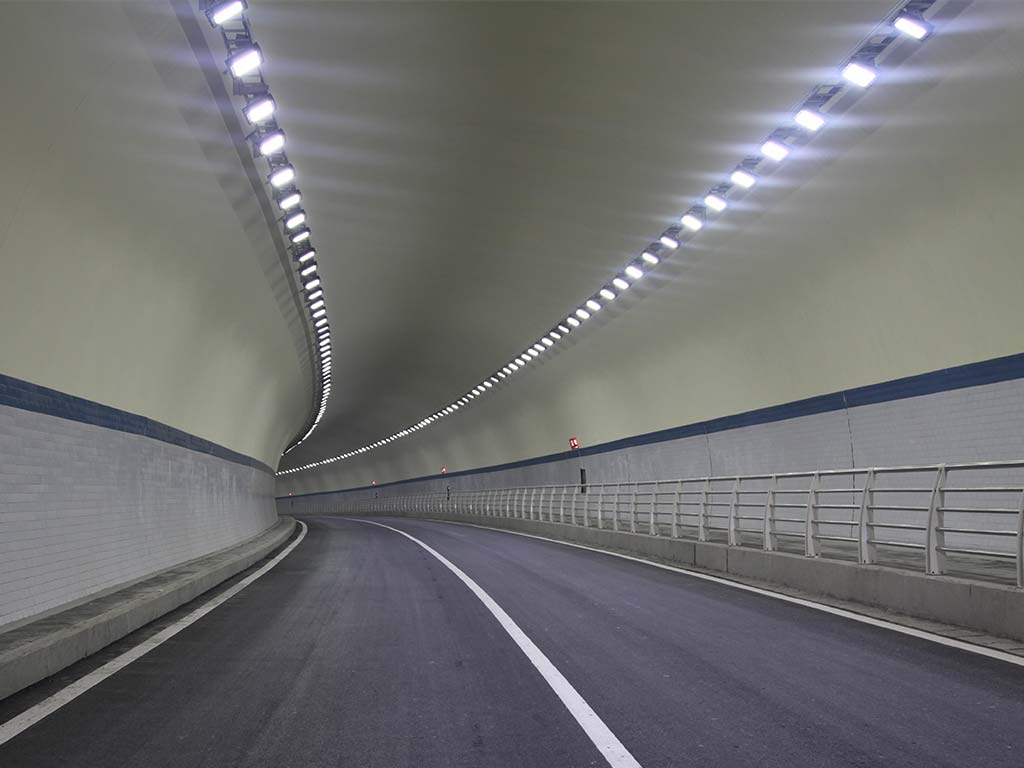

LED tunnel lights are expected to operate reliably for long periods in demanding environments. Continuous operation, temperature changes, moisture, dust, vibration, and electrical fluctuations can all affect fixture performance. Manufacturers therefore use different testing methods to evaluate product reliability before deployment.
When evaluating an LED Tunnel Lighting Manufacturer, it is useful to understand how its products are tested for durability and long-term operation. Testing can cover electrical performance, thermal behavior, environmental protection, optical output, and mechanical construction.
Electrical Performance Testing
Electrical testing is one of the basic stages of evaluating an LED tunnel light. Manufacturers can measure operating voltage, power consumption, power factor, current, and other electrical characteristics.
These tests help confirm that the fixture operates within its specified electrical range. They can also identify potential issues with drivers, wiring, or other electrical components before products are supplied for installation.
LED Driver Testing
The LED driver has a direct role in maintaining stable fixture operation. Manufacturers may test drivers under different input conditions to evaluate output stability and protection functions.
Testing can include responses to voltage fluctuations, overcurrent conditions, short circuits, and other electrical events. The specific tests performed depend on the driver design and applicable product requirements.
Thermal Performance Testing
Heat is an important consideration for LED lighting because excessive temperatures can affect component performance and service life. Thermal testing allows manufacturers to evaluate how effectively heat moves away from LEDs and other heat-generating components.
Fixtures may be operated for extended periods while temperatures at critical points are monitored. The results can help verify whether the thermal design is appropriate for the intended operating conditions.
Continuous Operation Testing
Long-duration operation tests can provide information about how a fixture behaves when operated continuously. The light may be run for extended periods while engineers monitor parameters such as temperature, power consumption, and light output.
This type of testing can reveal performance changes that may not appear during short-duration functional checks. It can also help manufacturers identify weaknesses in components or assembly processes.
Photometric Testing
Photometric testing measures the lighting characteristics of a fixture. Manufacturers can evaluate parameters such as lumen output, beam distribution, intensity, and uniformity.
The resulting photometric data helps determine whether the fixture provides the intended light distribution. It can also be used in lighting simulations to assess fixture spacing and coverage within a tunnel.
Lumen Maintenance Evaluation
LED light output can gradually change during extended operation. Manufacturers may evaluate lumen maintenance to understand how illumination levels are expected to develop over time.
Long-term evaluations can involve operating samples under controlled conditions and recording changes in light output. This information can contribute to estimates of useful performance over the product’s operating life.
Environmental Protection Testing
Tunnel environments can expose lighting fixtures to moisture, dust, and other contaminants. Environmental testing helps determine how well the fixture’s housing and seals protect internal components.
Depending on the product requirements, testing may assess resistance to water or particulate ingress. The objective is to verify that the enclosure provides the intended level of protection under specified conditions.
Corrosion Resistance
Metal components can be affected by moisture, chemicals, and other environmental factors. Corrosion testing can therefore be relevant for tunnel lights intended for long-term use.
Manufacturers may evaluate housing materials, surface treatments, coatings, and fasteners under controlled environmental conditions. These tests can help identify materials or finishes that may require improvement.
Vibration and Mechanical Testing
Traffic, equipment, and installation conditions can expose tunnel lighting fixtures to vibration. Mechanical testing helps assess whether housings, mounting points, connections, and internal components can withstand expected stresses.
Manufacturers may subject fixtures or components to controlled vibration or mechanical loads. Testing requirements vary depending on the product design and intended installation environment.
Impact and Structural Testing
The physical construction of a tunnel light must protect sensitive electronic components. Structural and impact-related tests can help evaluate the strength of the housing and mounting structure.
These evaluations may be particularly relevant when fixtures are installed in areas where maintenance activities or environmental factors could place mechanical stress on the equipment.
Temperature and Humidity Testing
Tunnel conditions can vary according to climate, ventilation, and location. Manufacturers may test fixtures under elevated or reduced temperatures and different humidity conditions to assess performance across a specified environmental range.
Such testing can help identify issues involving seals, electrical components, materials, and thermal behavior. It also provides information about the operating limits of the product.
Quality Inspection Before Shipment
Testing does not necessarily end after prototype development. Manufacturers can perform production-stage inspections to check whether finished fixtures meet defined specifications.
These checks may include visual inspection, electrical testing, light-output verification, assembly inspection, and packaging checks. Production testing helps identify defective units before they are delivered to customers.
Reviewing Test Documentation
For large tunnel lighting projects, buyers may request relevant test reports and technical documentation. Reviewing these materials can help confirm the conditions under which a product was evaluated.
It is important to distinguish between tests performed on a specific product model and general claims about a manufacturer’s product range. Documentation should ideally identify the tested model and relevant testing standards or conditions.
Conclusion
Testing plays an important role in determining whether LED tunnel lights can maintain reliable performance over extended operating periods. Electrical, thermal, photometric, environmental, mechanical, and continuous-operation tests can each provide different information about product behavior.
By examining testing procedures and supporting documentation, project planners can better understand the expected performance and operating limits of tunnel lighting equipment. A structured testing approach also helps manufacturers identify potential weaknesses and improve product reliability before large-scale installation.