
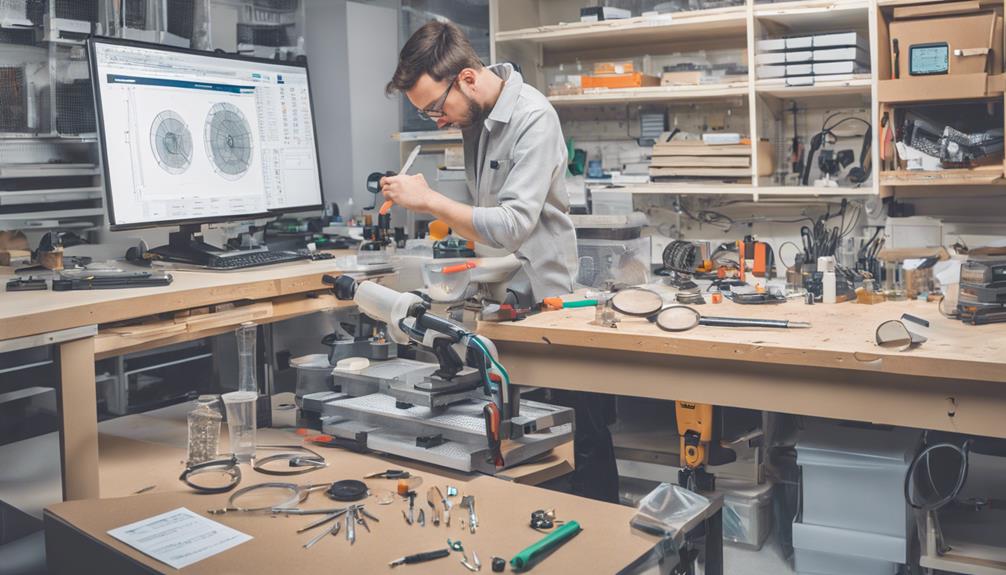

Developing a physical product requires more than an initial idea. Research, design, engineering, materials, usability, and testing can all influence the journey from an early concept to a functional outcome. Careful planning helps teams examine requirements and refine ideas before moving further into development.
When exploring prototype manufacturing companies, businesses and innovators can consider capabilities such as concept development, engineering, prototyping, material selection, and production preparation. A connected development process can help evaluate product ideas at different stages while supporting practical decisions about functionality, usability, and manufacturing requirements.
Ideas Gain Direction Through Structured Design Planning
A structured development process helps transform early concepts into clearer product directions while connecting user needs, technical requirements, design decisions, and practical feasibility.
- Research Creates a Stronger Starting Point
Product development begins by identifying the problem, intended users, technical requirements, and practical limitations. Early research helps teams build a clearer foundation before detailed work starts. Reviewing these factors can guide decisions about functionality, materials, ergonomics, and product features while keeping development connected to the intended purpose and user requirements.
- Concept Development Explores Different Possibilities
Concept development allows teams to explore ideas through sketches, visual studies, and alternative design directions. Comparing possibilities helps identify approaches that balance appearance, usability, and practical requirements. Promising concepts can be refined gradually as more information becomes available, creating a clearer direction for detailed design, engineering, modelling, and prototype development.
- Design Decisions Connect Form With Function
Product design should consider appearance and functionality together. Dimensions, proportions, controls, grip, component placement, and user interaction can influence the final experience. Evaluating these elements during development helps teams create a more practical product direction. Ergonomic requirements may also guide decisions before additional resources are committed to engineering and physical prototypes.
Digital Development Builds Clarity Before Physical Testing
Detailed digital models help teams examine dimensions, components, assemblies, and visual features before producing physical versions for further evaluation, refinement, and testing.
- Creating Detailed Models for Product Evaluation
Three-dimensional CAD models provide a clearer representation of a product before physical materials are used. Teams can review proportions, dimensions, assemblies, and component relationships while discussing possible refinements. Digital models also support communication between designers and engineers, helping transform early concepts into more detailed technical directions before prototype development begins.
- Reviewing Components and Assembly Requirements
Digital development helps teams examine how individual parts fit and function together. Component positioning, assembly relationships, mechanisms, and material requirements can be reviewed before physical production. Identifying potential concerns at this stage may support refinement and greater clarity, while ensuring individual elements remain connected to the wider product concept and requirements.
- Considering Manufacturing During Product Development
Manufacturing considerations can influence material choices, component geometry, production methods, and assembly requirements. Reviewing these factors during product development helps connect design intent with practical feasibility. Teams can identify necessary changes before moving further into prototyping. This approach supports better coordination between design, engineering, manufacturing preparation, and eventual production requirements.
Practical Testing Strengthens Prototype Manufacturing Companies
Physical evaluation provides valuable insights beyond digital models, enabling prototype manufacturing companies to support testing, refinement, and iterative product development before larger production commitments are made.
- Testing Product Form and Physical Interaction
Physical prototypes allow teams to examine dimensions, proportions, handling, and product interaction more directly. User feedback may provide additional insight into comfort and usability. Testing can reveal areas requiring refinement before development continues. Repeated evaluation helps teams improve selected features while maintaining alignment with the original product requirements and intended functionality.
- Exploring Materials and Functional Requirements
Prototype development can examine materials according to weight, strength, texture, appearance, and intended performance. Different prototypes may serve different purposes, including evaluating form, functionality, or user interaction. Understanding the purpose of each prototype helps guide development decisions. Testing outcomes can then provide useful information for further design, engineering, and refinement.
- Refining Products Through Iterative Development
Product development can involve repeated cycles of testing, feedback, and refinement. Prototype findings may highlight changes needed in dimensions, components, usability, or functionality. Teams can compare results with established requirements before making adjustments. This iterative process supports gradual improvement and helps connect practical prototype insights with later engineering and manufacturing preparation.
Production Preparation Connects Concepts With Real Outcomes
Preparing a product for production requires attention to design details, engineering feasibility, documentation, quality requirements, and coordination between development and manufacturing stages.
Preparing Designs for Manufacturing Requirements
- Review specifications, materials, part geometry, and assembly requirements before production.
- Consider manufacturing feedback when refining earlier design and engineering decisions.
- Prepare detailed files and documentation to support clearer production requirements.
- Maintain alignment between the original concept and practical manufacturing needs.
Supporting Consistency During Product Development
- Keep design, engineering, prototype findings, and production requirements connected.
- Use clear communication to reduce gaps between development and manufacturing stages.
- Record important decisions and changes to maintain continuity throughout the process.
- Ensure adjustments remain aligned with functionality, design intent, and user requirements.
A coordinated preparation process can support a smoother transition from product development and prototype refinement toward consistent physical manufacturing outcomes.
Connected Development Creates Stronger Product Outcomes
A complete product journey benefits when design, engineering, testing, and manufacturing preparation are treated as connected stages rather than isolated activities. Research can help define user requirements and the product’s intended purpose, while concept exploration allows different directions to be considered before development moves forward. Digital models can support reviews of dimensions, components, and assemblies, followed by prototypes that help evaluate physical form, usability, and selected functions.
Structured testing and development feedback can guide relevant refinements throughout the process. Considering manufacturing requirements during design preparation can also support a smoother transition toward production. Connecting these activities creates a clearer path from an initial idea to a product prepared for practical evaluation and future manufacturing requirements.
Conclusion
Modern product development involves a combination of research, conceptual design, engineering, prototyping, testing, and production preparation. Each stage can provide useful information for refining an idea and evaluating whether the product remains aligned with its intended purpose. A structured process helps connect creative decisions with practical requirements while supporting continued refinement throughout development.
For businesses and innovators seeking a product design studio, Studio701 offers industrial design, engineering, prototyping, and production support as part of its product development capabilities. Their services include concept development, user and market research, 3D CAD modelling, ergonomics, design for manufacturing, prototype development, and production preparation, supporting the progression of physical products from early ideas toward manufacturable outcomes.