

A clogged drain no longer represents an inconvenience of plumbing, but it may be indicative of more serious issues in the ground. Even tree roots, hardened mineral deposits, grease accumulation, and pipe collapse debris can cause a drain to become clogged, to the point where it can no longer be effectively cleaned with conventional methods.
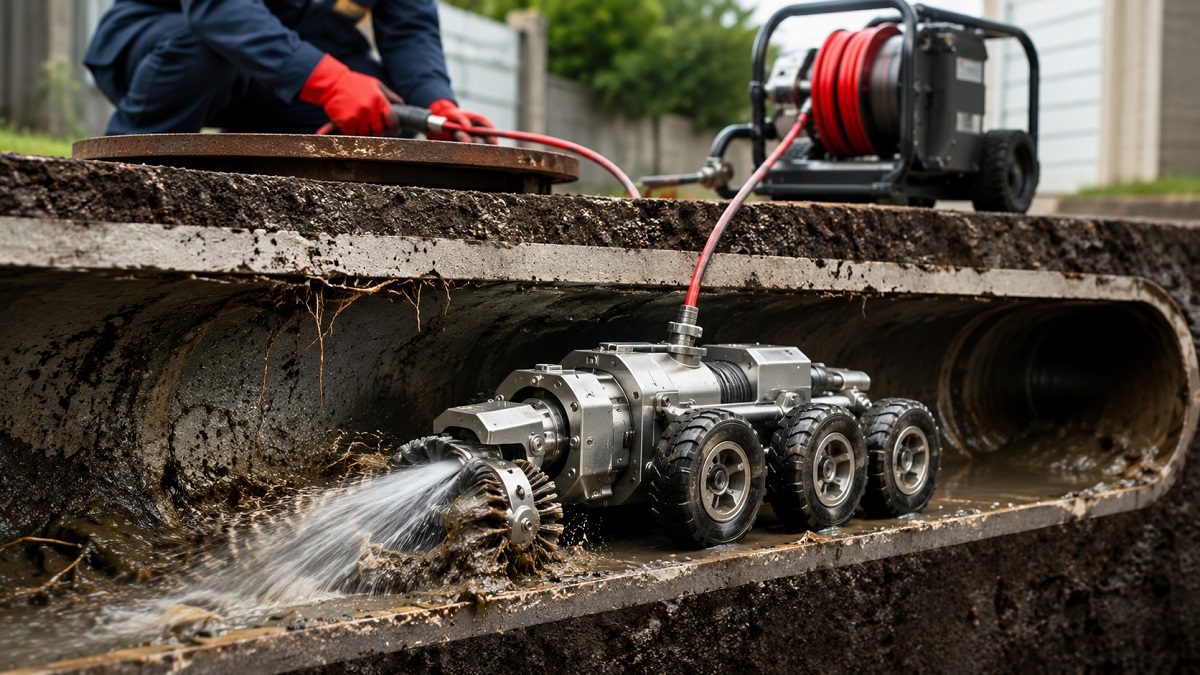
Fortunately, modern pipe-cleaning has taken a turn for the better thanks to the use of robotic cutting units, which enable professionals to clean the pipes from the inside without having to excavate much.
These are remotely controlled machines that pass through the pipes underground with a special cutting head. Technicians can precisely clear obstructions with the help of the live camera images and leave the surrounding pipe structure intact. This leads to quicker, safer, and much less disruptive repairs. Try to contact professionals who can help you with blocked drains in LEEDS.
The operation of RCUs is as follows
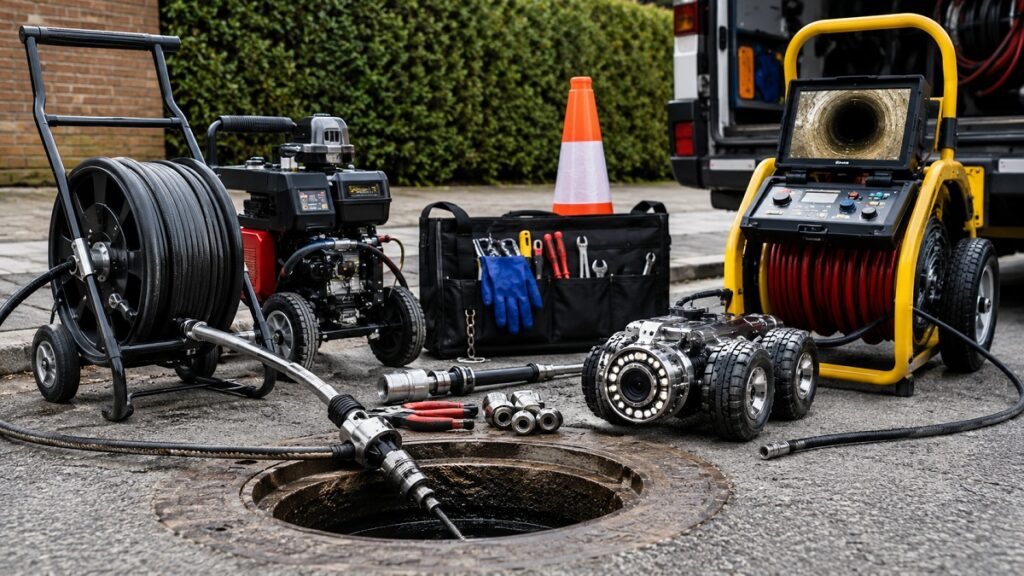
Robotic drain cutters are also designed to move through pipes with wheels or tracks of all sizes. They are controlled remotely by the operator and are monitored by live CCTV. When it’s found, cutting tools are interchanged according to the obstacle.
Common attachments for cutting are:
- Circular saw blades for large roots (very thick)
- The chain flail is used for tough mineral scale.
- Hardened concrete or grout milling heads.
- Collapsed pipe cutters
- Tools for precision grinding of irregular pipes.
This method only removes the obstruction, without harming the rest of the pipe.
What’s the Removal That These Robots Can Do?
One of the biggest advantages of robotic cutting technology is its versatility. These machines are able to solve problems for regular drain snakes.
They are typically employed to get rid of:
- The presence of big root systems of invasive trees
- Older metal pipes may develop rust.
- Hardened grease and debris
- Loose pieces of equipment from partially integrated pipelines.
Why Is It Great for Property Owners?
Robotic pipe cutting reduces disruption and increases the life of existing pipe drain networks.
Key advantages include:
- Usually, very little digging and damage to property is required.
- Very accurate blockage extraction
- Faster project completion
- Less need for digging labor than with a plow.
- Better safety for techs. Better technician safety.
- Improved trenchless pipe lining and/or repair preparation work.
As operators depend on the live footage from the camera, they are able to ensure that the blockage has been fully cleared before they are finished. Consultation with experts will surely help you learn some other details on how to manage toilet unblocking in Leeds.
Some tips to keep your drains healthy
Preventive maintenance is the best way to address severe drain issues, although robotic cutting can be used to address them.
Here are some handy tips:
- Regularly inspect the CCTV drain for older properties.
- If trees with aggressive root systems are a threat to underground pipes, remove them.
- Do not put grease, wipes, or solid waste in a drain.
- Prevent water from stagnating in the system by dealing with drainage problems early on.
The cutting technology of the robot is still developing and is becoming smarter with better navigation, cameras, and cutting devices. Advanced units are even able to include laser measurement and digital mapping, which enable the technician to record pipe conditions with the utmost accuracy.
These robotic machines represent an enormous leap forward in residential, commercial, and municipal drain cleaning. By removing concrete, stubbornly rooted trees, and other foreign objects from the interior of pipes, these amazing machines allow us to clean your drainage system to optimal performance, leaving your property undisturbed.
With the progress of technology, remotely operated drain robots will come to play an ever more important role in changing the face of underground repairs, allowing them to be carried out faster, cleaner, and less invasively than is possible today.
Choosing the Right Professionals for Robotic Drain Cleaning
Although robotic cutting equipment is highly effective, the results depend on the experience of the technicians operating it. Trained drainage specialists begin by carrying out a detailed CCTV inspection to identify the exact location and nature of the blockage. Based on what they find, they select the most suitable cutting attachment and adjust the machine to match the pipe’s size and condition. This careful approach helps ensure the obstruction is removed efficiently without causing unnecessary wear to the drainage system.
Professional drain cleaning companies also perform a final inspection once the cutting work has been completed. This allows them to confirm that the pipe is clear, check for hidden cracks or structural damage, and recommend any preventive maintenance if needed. Early identification of small defects can prevent more expensive repairs in the future and help property owners maintain a reliable drainage system for years to come.
The Future of Smart Drain Maintenance
The use of robotics in drain maintenance is expected to grow as technology continues to advance. Newer robotic systems are becoming more compact, allowing them to navigate tighter bends and smaller pipes while maintaining powerful cutting capabilities. Improvements in camera quality, lighting, and remote controls also enable operators to perform highly detailed inspections during the cleaning process.
In the coming years, robotic drain equipment may integrate even more intelligent features, such as automated obstacle detection, real-time condition reporting, and enhanced digital mapping of underground drainage networks. These innovations will help technicians make faster decisions, reduce repair times, and improve the overall efficiency of drain maintenance projects. As more residential and commercial property owners recognize the benefits of trenchless technology, robotic drain cutting is likely to become a standard solution for tackling complex blockages while minimizing disruption to homes, businesses, and surrounding landscapes.