
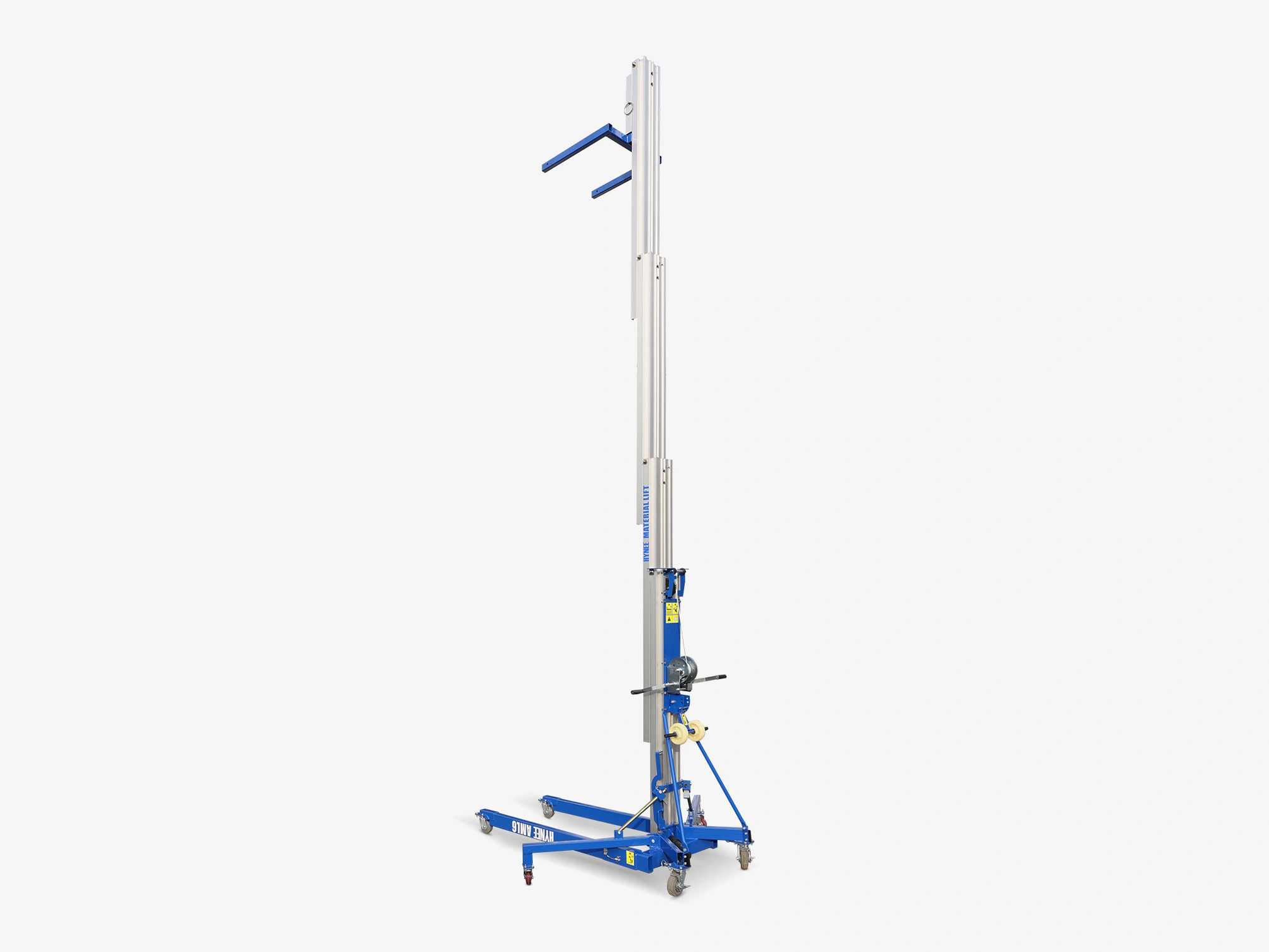

Keeping lifting equipment in excellent working condition is essential for maintaining productivity, reducing repair costs, and ensuring workplace safety. For this reason, a professional material lifts manufacturer focuses not only on performance but also on designing equipment that is easy to inspect, service, and maintain. Maintenance-friendly designs help businesses minimize downtime, extend equipment lifespan, and lower the total cost of ownership.
From selecting durable components to simplifying access for routine inspections, manufacturers incorporate practical features that make regular maintenance faster and more efficient.
Starting with Smart Engineering
Maintenance-friendly equipment begins with thoughtful engineering. During the design phase, manufacturers evaluate how technicians will access, inspect, and replace components throughout the equipment’s service life.
A reliable material lifts manufacturer focuses on:
- Simple mechanical layouts
- Easy access to service points
- Durable structural designs
- Reduced component complexity
- Efficient assembly methods
Well-planned designs make routine maintenance less time-consuming and reduce the chances of service errors.
Using Durable Materials
The quality of materials directly affects maintenance frequency. High-quality materials resist wear, corrosion, and damage, reducing the need for frequent repairs.
Manufacturers commonly use:
- High-strength steel frames
- Corrosion-resistant coatings
- Heavy-duty lifting cables
- Wear-resistant mechanical parts
- Durable wheels and casters
These materials help equipment remain reliable even in demanding work environments.
Simplifying Routine Inspections
Regular inspections are essential for identifying minor issues before they become major problems. Maintenance-friendly equipment is designed so technicians can easily check important components.
Inspection-friendly features include:
- Clearly visible lifting mechanisms
- Accessible cables and pulleys
- Easy-to-reach locking systems
- Open structural layouts
- Convenient inspection points
A professional material lifts manufacturer understands that easier inspections encourage proper preventive maintenance.
Reducing the Number of Wear Parts
Complex equipment with numerous moving parts often requires more frequent servicing. Manufacturers reduce maintenance needs by simplifying mechanical systems whenever possible.
Benefits of fewer wear components include:
- Lower maintenance costs
- Reduced repair frequency
- Easier troubleshooting
- Improved equipment reliability
- Longer service intervals
Simplified designs also make operator training more straightforward.
Easy Component Replacement
Even durable equipment occasionally requires replacement parts. Maintenance-friendly material lifts are designed so worn components can be replaced quickly without extensive disassembly.
Examples include:
- Replaceable wheels
- Accessible lifting cables
- Easy-to-remove safety pins
- Standard fastening systems
- Modular mechanical components
These design choices help reduce repair time and return equipment to service more quickly.
Precision Manufacturing
Reliable manufacturing contributes directly to lower maintenance requirements. Precision-built equipment experiences fewer alignment issues and less premature wear.
An experienced material lifts manufacturer uses advanced production techniques such as:
- CNC machining
- Precision welding
- Accurate component fitting
- Consistent quality control
- Careful assembly procedures
High manufacturing standards improve equipment durability and reduce unexpected maintenance needs.
Comprehensive Product Testing
Before reaching customers, material lifts undergo rigorous testing to verify performance and reliability.
Testing commonly includes:
- Load capacity verification
- Stability testing
- Functional operation checks
- Structural inspections
- Safety mechanism evaluations
These tests help identify potential issues before equipment enters daily operation, reducing future maintenance concerns.
Providing Clear Maintenance Documentation
Well-designed equipment is supported by detailed maintenance instructions that help operators and technicians perform routine servicing correctly.
Maintenance documentation typically includes:
- Inspection schedules
- Lubrication guidelines
- Replacement procedures
- Safety recommendations
- Troubleshooting information
Clear documentation reduces the risk of improper maintenance and helps extend equipment life.
Supporting Preventive Maintenance
Preventive maintenance is more effective when equipment is designed for easy servicing. Manufacturers encourage regular maintenance by creating systems that are simple to inspect and maintain.
Routine preventive tasks often include:
- Checking lifting cables
- Inspecting wheels and casters
- Verifying locking mechanisms
- Lubricating moving parts
- Examining structural components
Regular servicing helps prevent unexpected breakdowns and extends operational life.
Offering Reliable Spare Parts Support
Quick access to replacement parts is another important aspect of maintenance-friendly equipment.
A dependable material lifts manufacturer supports customers by providing:
- Readily available spare parts
- Compatible replacement components
- Technical service assistance
- Maintenance recommendations
- Product support documentation
Reliable parts availability reduces downtime and keeps equipment operating efficiently.
Long-Term Benefits of Maintenance-Friendly Equipment
Choosing equipment designed for easy maintenance offers several long-term advantages:
- Lower operating costs
- Reduced downtime
- Longer equipment lifespan
- Improved workplace safety
- Increased productivity
- Better return on investment
Businesses can maintain consistent operations while reducing repair expenses over the life of the equipment.
Conclusion
A professional material lifts manufacturer designs maintenance-friendly equipment by combining smart engineering, durable materials, precision manufacturing, and easy service access. Features such as simplified mechanical systems, accessible inspection points, replaceable components, and comprehensive maintenance documentation help businesses keep their equipment operating safely and efficiently.
By investing in maintenance-friendly material lifts, companies can reduce downtime, control maintenance costs, improve workplace safety, and maximize the long-term value of their lifting equipment.