
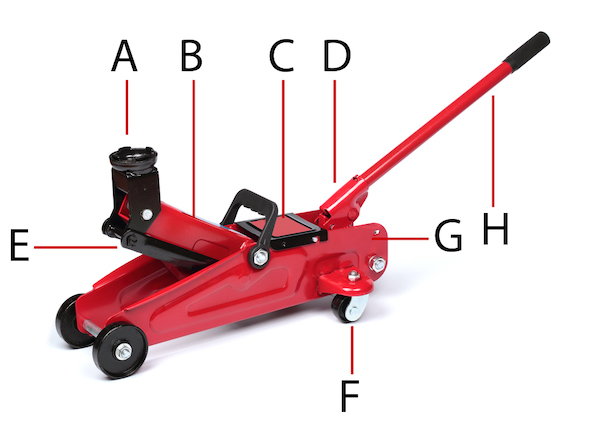

Hydraulic jacks are essential lifting devices used across industries such as automotive, construction, manufacturing, mining, and transportation. Their ability to lift heavy loads with precision depends on careful engineering and a well-controlled manufacturing process. Modern production techniques ensure that hydraulic jacks meet strict standards for strength, safety, and long-term performance.
From raw material selection to final quality testing, every stage of production plays a critical role in the reliability of the finished product. Reputable Hydraulic Jacks Manufacturers invest in advanced machinery, precision engineering, and rigorous inspection procedures to produce lifting equipment capable of performing safely under demanding conditions.
Raw Material Selection
The manufacturing process begins with choosing high-quality raw materials. Since hydraulic jacks operate under significant pressure, the materials must provide exceptional strength and durability.
Common materials include:
- High-strength alloy steel
- Carbon steel
- Hardened steel rods
- Durable rubber and polyurethane seals
- Corrosion-resistant metal coatings
Selecting premium materials helps improve load capacity and extends the service life of the hydraulic jack.
Precision Component Design
Before production begins, engineers create detailed designs using computer-aided design (CAD) software. These digital models ensure that every component fits accurately and performs efficiently.
Design considerations include:
- Load capacity
- Hydraulic pressure requirements
- Structural strength
- Stability
- Ease of maintenance
Precise engineering minimizes manufacturing errors and improves product consistency.
Machining of Metal Components
Once the designs are finalized, metal components are manufactured using advanced machining equipment.
Key machining processes include:
- CNC milling
- Turning
- Drilling
- Grinding
- Thread cutting
These processes produce accurately sized parts that meet tight manufacturing tolerances, ensuring smooth assembly and reliable operation.
Cylinder and Piston Manufacturing
The hydraulic cylinder and piston are among the most important components of a hydraulic jack. They must be manufactured with high precision to withstand repeated pressure cycles.
The cylinder interior is carefully finished to create a smooth surface that reduces friction and protects hydraulic seals. Piston rods are often hardened and chrome-plated to improve wear resistance and corrosion protection.
Heat Treatment
Many structural components undergo heat treatment to increase their mechanical strength and durability.
Heat treatment improves:
- Hardness
- Wear resistance
- Fatigue strength
- Structural stability
This process helps hydraulic jacks maintain reliable performance even under heavy and continuous use.
Welding and Structural Assembly
Heavy-duty hydraulic jacks require strong welded frames capable of supporting substantial loads.
Modern welding techniques include:
- Robotic welding
- MIG welding
- TIG welding
- Precision structural welding
Carefully controlled welding procedures ensure strong joints while maintaining the structural integrity of the equipment.
Hydraulic System Assembly
During assembly, technicians install the hydraulic system components, including:
- Hydraulic cylinders
- Pump mechanisms
- Pistons
- Release valves
- Hydraulic reservoirs
- Sealing systems
Each component is assembled according to precise engineering specifications to ensure proper hydraulic performance.
Seal Installation
Hydraulic seals play a vital role in maintaining internal pressure and preventing fluid leaks.
Manufacturers carefully install:
- Rod seals
- Piston seals
- Wiper seals
- O-rings
- Static seals
Proper seal installation contributes to efficient operation and long-term reliability.
Surface Finishing and Protective Coating
To improve durability and appearance, hydraulic jack components receive protective surface treatments.
Common finishing processes include:
- Powder coating
- Industrial painting
- Chrome plating
- Zinc coating
- Anti-corrosion treatments
These finishes help protect equipment from rust, moisture, chemicals, and harsh working environments.
Quality Control and Testing
Quality assurance is one of the most important stages of manufacturing.
Leading manufacturers perform comprehensive testing that may include:
- Load capacity testing
- Hydraulic pressure testing
- Leak detection
- Stability evaluation
- Fatigue testing
- Functional operation testing
Every hydraulic jack must demonstrate consistent performance before it is approved for distribution.
Packaging and Distribution
After passing quality inspections, hydraulic jacks are prepared for shipment.
Packaging is designed to protect the equipment during transportation by using:
- Protective wrapping
- Reinforced cartons
- Foam inserts
- Moisture-resistant materials
Proper packaging reduces the risk of damage while ensuring products reach customers in excellent condition.
Continuous Manufacturing Innovation
Modern hydraulic jack manufacturing continues to evolve through new technologies and improved production methods.
Current innovations include:
- Automated production systems
- Robotic assembly
- Smart quality inspection equipment
- Digital manufacturing controls
- Sustainable production practices
These advancements improve efficiency while maintaining consistent product quality.
Why Manufacturing Quality Matters
The manufacturing process directly influences the performance, safety, and lifespan of a hydraulic jack.
High-quality production provides:
- Greater lifting reliability
- Improved structural strength
- Reduced maintenance requirements
- Enhanced operator safety
- Longer equipment service life
Businesses that invest in well-manufactured hydraulic jacks often experience better operational efficiency and lower long-term ownership costs.
Conclusion
The manufacturing process of modern hydraulic jacks combines precision engineering, advanced machining, high-quality materials, and rigorous quality control to produce reliable lifting equipment for demanding industries. Every stage, from raw material selection to final testing, contributes to the safety, durability, and performance of the finished product. By understanding how hydraulic jacks are manufactured, businesses and equipment owners can better appreciate the importance of choosing products from reputable manufacturers committed to quality, innovation, and long-term reliability.