
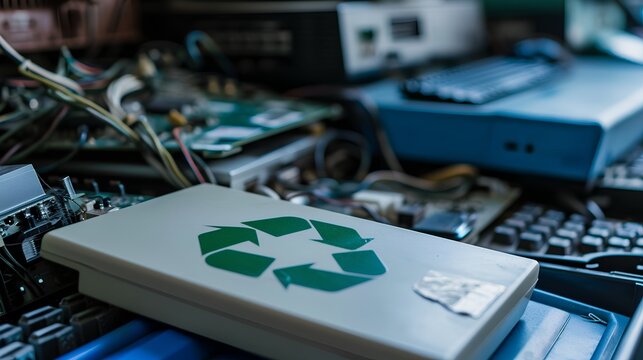

Modern businesses depend heavily on technology to maintain efficiency, communication, and productivity. As software requirements increase and systems age, companies eventually need to replace office computers to maintain smooth operations. Before beginning this process, organizations should understand the importance of planning, budgeting, data security, and responsible disposal. Many businesses handling large-scale upgrades also consider IT Asset Disposal in UAE services to manage outdated systems professionally while reducing operational risks and environmental concerns.
Planning an Office Computer Replacement Strategy
Replacing office computers without a structured plan can create workflow disruptions and unnecessary expenses. Businesses should first evaluate their current infrastructure, identify outdated devices, and determine which systems require immediate replacement. Careful planning helps organizations avoid overspending while ensuring that employees continue working efficiently during the transition process.
Understanding the Financial Impact of IT Upgrades
Office computer replacement involves more than purchasing new devices. Companies must also account for installation costs, software compatibility, employee training, maintenance, and disposal of outdated equipment. Businesses that fail to calculate these additional expenses may experience budget overruns during the upgrade process. Creating a clear financial plan helps organizations manage resources effectively while ensuring a smoother transition to new systems.
Importance of Secure Data Management During Replacement
One of the biggest concerns during computer replacement is protecting confidential business information. Office systems often contain sensitive company records, employee details, financial documents, and customer information. Businesses using IT Asset Disposal in the UAE often prioritize secure data handling to prevent unauthorized access when removing old devices from the workplace.
Creating a Complete Hardware Inventory
Before replacing office computers, businesses should prepare a detailed inventory of all devices being removed. This inventory should include serial numbers, storage capacity, processor details, and the physical condition of each system.
Maintaining organized records allows companies to track every device during the disposal process. It also helps IT departments ensure that no equipment containing sensitive data is overlooked during upgrades.
Using Professional Data Wiping Methods
Deleting files manually or performing a factory reset is not enough to remove confidential information permanently. Professional data wiping software overwrites stored data multiple times, making recovery extremely difficult.
Companies handling confidential business records should use secure data destruction methods before selling or recycling office computers. Proper data wiping helps maintain compliance with internal security policies and industry regulations.
Removing Storage Devices for Extra Security
Some organizations prefer physically removing hard drives and storage devices before disposing of office computers. This additional step provides stronger protection for highly sensitive information.
Once storage drives are removed, the remaining hardware can often be sold, refurbished, or recycled safely. This approach reduces the possibility of data exposure while allowing businesses to recover value from outdated systems.
Choosing Reliable Disposal Partners
Many companies replacing large quantities of office computers prefer working with experienced recycling professionals who understand secure handling and responsible disposal practices. Searching for an IT scrap buyer near me helps businesses find reliable providers that can evaluate equipment properly while ensuring smooth collection and recycling processes.
A trustworthy disposal partner ensures that devices are processed safely while offering fair pricing for reusable hardware components. Working with experienced buyers also simplifies logistics, equipment transportation, and environmentally responsible recycling management.
Maintaining Compliance and Documentation
Organizations should maintain proper documentation during the replacement and disposal process. Records of data destruction, equipment transfer, and recycling certificates provide accountability and support compliance requirements.
Keeping these documents helps businesses demonstrate that sensitive information was handled responsibly. Proper documentation also supports internal audits and operational transparency.
Environmental Responsibility During Computer Replacement
Replacing office computers generates significant electronic waste. Responsible recycling practices help reduce environmental impact while supporting sustainable resource management. Businesses that recycle outdated systems responsibly contribute to reducing landfill waste and conserving valuable electronic materials.
Benefits of Working With Professional IT Disposal Services
Professional disposal services simplify the process of removing outdated office computers. These companies often provide collection, transportation, hardware evaluation, and recycling support for businesses undergoing technology upgrades. Partnering with experienced providers reduces the workload for internal IT teams and helps companies manage the transition more efficiently.
Secure Handling of Outdated Equipment: Helps businesses protect confidential company data during the disposal and recycling process. Professional services follow proper procedures for safe IT asset management.
Convenient Pickup and Transportation Services: Reduce the workload for internal teams and simplify the removal of large quantities of office computers and hardware.
Responsible Recycling Practices: Ensure that electronic waste is processed safely while valuable materials are recovered and reused whenever possible.
Accurate Equipment Evaluation and Fair Pricing: Allow businesses to recover value from reusable desktops, servers, and networking devices before disposal.
Compliance With Environmental and Data Protection Standards: Helps organizations maintain accountability while following proper disposal regulations and security requirements.
Key Factors Businesses Should Consider Before Disposal
Companies replacing office computers should evaluate several important factors before selling or recycling outdated equipment.
- Assess the operational condition of computers before disposal to determine whether systems can be refurbished, resold, or recycled for parts. Functional systems often provide higher financial returns.
- Evaluate software and hardware compatibility with new systems to ensure business operations continue without interruptions during the upgrade process.
- Prepare employees for system migration by providing guidance on transferring files, adapting to new hardware, and managing workflow changes efficiently.
- Schedule equipment replacement strategically to minimize downtime and prevent disruptions to daily business activities during installation and transition.
- Work with experienced disposal providers who understand secure handling, recycling standards, and proper valuation of office computers and IT equipment.
Conclusion
Replacing office computers requires careful planning, secure data management, and responsible disposal practices. Businesses that prepare their systems properly, maintain detailed records, and follow secure data removal procedures can reduce risks while improving operational efficiency. Responsible recycling also supports environmental sustainability and helps organizations manage outdated equipment more effectively.
Businesses looking for reliable disposal support often search for an IT scrap buyer near me that can provide secure and professional IT recycling services. IT Scrap Buyer is known for offering dependable equipment collection, fair evaluations, and environmentally responsible disposal solutions for businesses across the UAE. With experience handling office computers, servers, and other IT assets, the company helps organizations manage technology upgrades smoothly while ensuring secure and efficient disposal of outdated systems.