
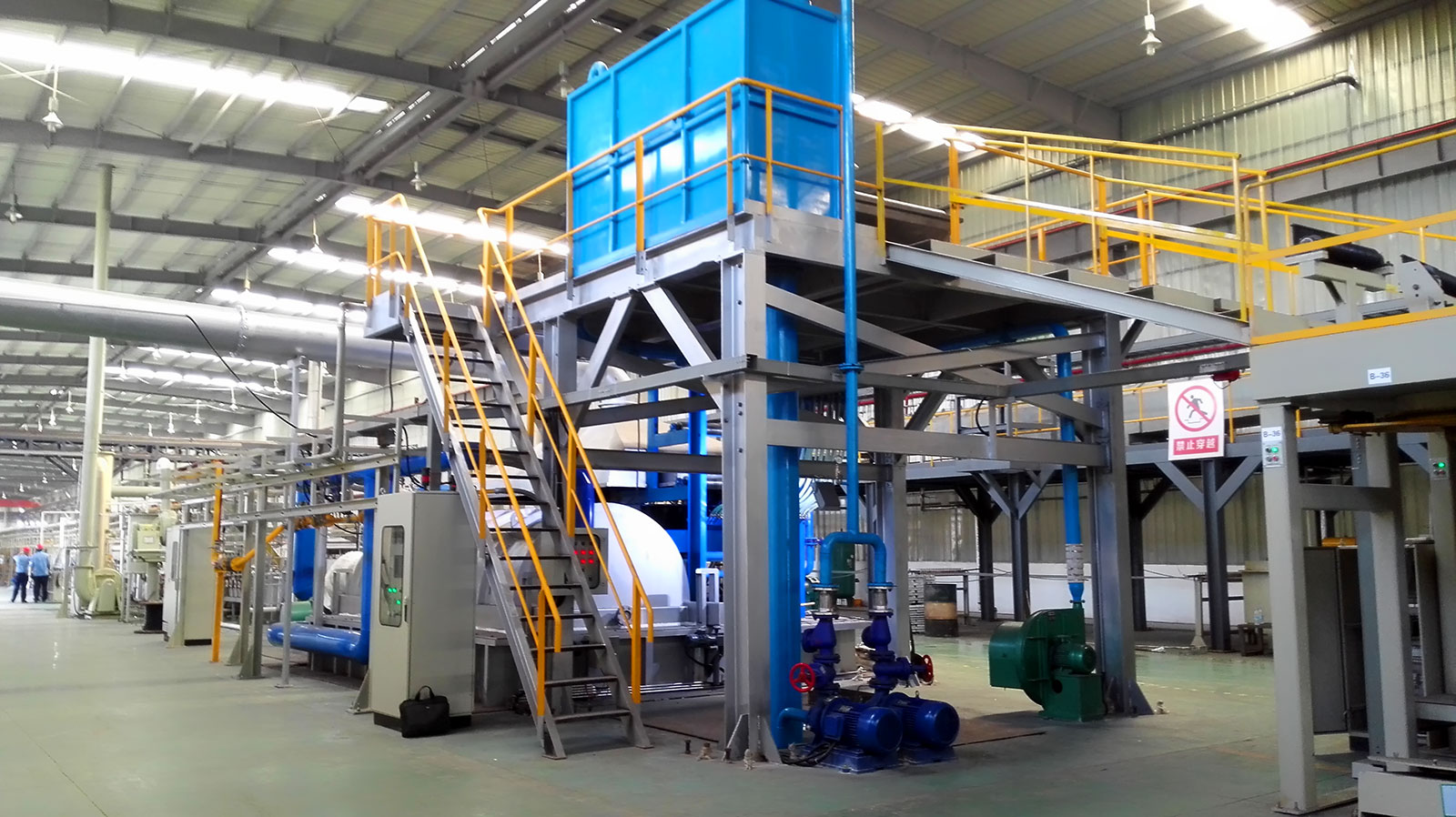

In steel coating operations, zinc is one of the most important raw materials, directly affecting both production cost and product quality. Efficient use of zinc is essential for maintaining economic balance while ensuring strong corrosion protection for steel products used in construction, automotive, and infrastructure industries.
A properly designed hot dip galvanizing line focuses not only on coating quality but also on reducing unnecessary zinc loss through controlled process conditions and efficient operational practices.
Importance of Zinc Efficiency in Galvanizing
Zinc serves as the protective layer that prevents steel from rusting. However, excessive zinc usage increases production cost and material waste without improving performance.
Optimizing zinc consumption helps manufacturers achieve:
- Lower production costs
- Stable coating quality
- Reduced material waste
- Improved process efficiency
Balancing performance and consumption is a key goal in industrial galvanizing operations.
Main Sources of Zinc Loss
Understanding where zinc is lost during processing is the first step in improving efficiency.
Dross Formation
Dross is a byproduct formed when zinc reacts with iron impurities. It settles at the bottom of the zinc bath and must be removed regularly.
Excess Coating Removal
When steel exits the zinc bath, excess molten zinc is removed, and some of this material is lost during the process.
Surface Drag-Out
Small amounts of zinc are carried away with the steel surface during withdrawal from the bath.
Oxidation Loss
Exposure of molten zinc to air can lead to surface oxidation, forming zinc ash that reduces usable material.
Control of Zinc Bath Conditions
Maintaining stable bath conditions is essential for reducing unnecessary zinc consumption.
Temperature Stability
Proper temperature control ensures smooth zinc flow and reduces excessive reaction between zinc and steel.
Alloy Balance
Maintaining correct chemical composition in the zinc bath helps minimize dross formation.
Clean Bath Maintenance
Regular removal of impurities keeps the bath stable and reduces waste generation.
Role of Air Knife Adjustment
Air knife systems play a major role in controlling coating thickness and zinc usage. Proper adjustment ensures that only the required amount of zinc remains on the steel surface.
Key adjustment factors include:
- Air pressure level
- Nozzle distance from strip
- Strip speed through the system
Correct calibration helps avoid over-coating and material waste.
Optimization of Line Speed
Production speed directly affects zinc consumption. If the line runs too slowly, more zinc may accumulate on the steel surface.
Efficient speed control helps:
- Maintain uniform coating thickness
- Reduce unnecessary zinc pickup
- Improve production stability
Balancing speed with coating requirements is essential for efficiency.
Surface Preparation Efficiency
Proper cleaning before galvanizing reduces zinc waste by ensuring better reaction efficiency during coating.
Effective preparation includes:
- Removal of oil and grease
- Elimination of rust and scale
- Proper flux application
Clean steel surfaces require less excess zinc for proper coating formation.
Recycling and Recovery of Zinc
Modern galvanizing operations often include systems to recover and reuse zinc materials.
Common recovery methods:
- Collection of dross for processing
- Reuse of zinc ash after treatment
- Filtration systems for bath purification
Recycling helps reduce raw material costs and supports sustainable production practices.
Impact of Equipment Design on Zinc Use
The design of production equipment significantly influences zinc efficiency. Well-structured systems reduce turbulence in the zinc bath and improve coating control.
Important design factors include:
- Bath shape and depth
- Strip entry angle
- Air knife positioning
- Furnace stability
Proper equipment configuration leads to more controlled zinc application.
Operator Practices and Process Control
Human operation also affects zinc consumption levels. Skilled operators can reduce waste by maintaining stable process conditions.
Best practices include:
- Monitoring coating thickness regularly
- Adjusting process parameters carefully
- Preventing unnecessary bath disturbance
- Following standardized operating procedures
Consistent operation improves overall material efficiency.
Conclusion
Optimizing zinc consumption is an important part of improving efficiency and reducing cost in steel coating operations. Every stage of the process, from surface preparation to coating control and recovery, contributes to material usage.
A well-managed hot dip galvanizing line helps manufacturers achieve balanced performance, ensuring high-quality coating results while minimizing zinc waste across continuous industrial production.