

Modern imaging systems often appear as highly advanced machines that deliver instant and accurate results. Whether used in healthcare, industrial inspection, or security screening, these systems have become essential tools in decision-making. However, what most people do not see is the engineering backbone that makes this precision possible.
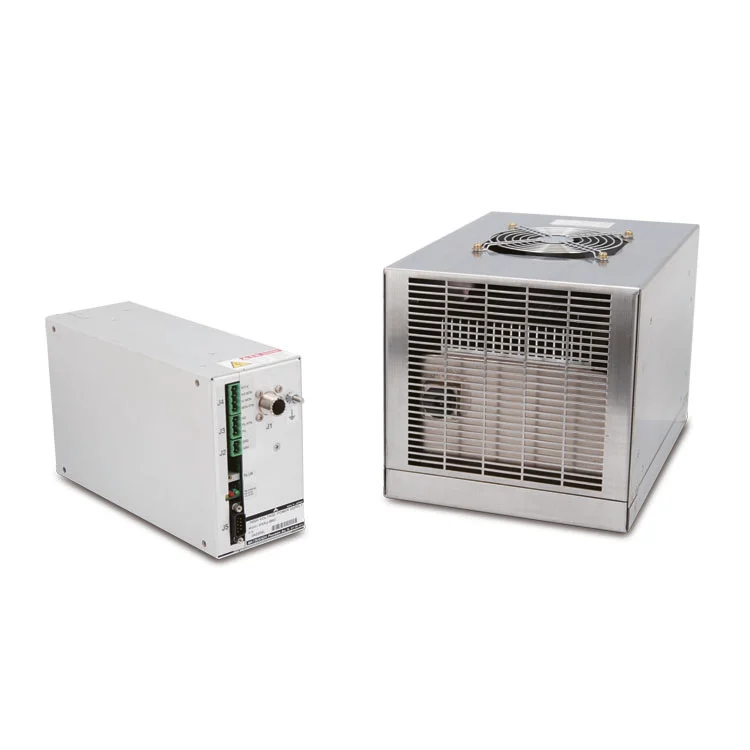
Behind every clear scan lies a carefully controlled energy system designed to ensure stability, accuracy, and repeatability. The role of X-ray source manufacturers is critical here, as they develop the core components that determine how effectively imaging systems perform in real-world conditions. Their innovations ensure that imaging devices are not just powerful but also consistent and reliable across different environments.
This combination of engineering and controlled power delivery has completely transformed how imaging systems are designed and used today.
Why Controlled Energy Defines Imaging Accuracy
Imaging is not simply about generating signals or capturing data. It is about controlling energy in a way that produces meaningful and accurate results. Even the smallest fluctuation in power can impact image clarity, leading to errors in interpretation.
To prevent such issues, modern systems rely on carefully regulated energy flow. This is where advanced power engineering becomes essential. The stability of the system depends heavily on how well energy is managed during operation.
A reliable high voltage power supplier ensures that imaging systems receive consistent voltage levels, allowing them to function smoothly even under continuous or demanding workloads. This stability is what enables imaging technology to maintain high levels of accuracy in critical applications.
The Evolution from Basic Systems to Smart Imaging Solutions
Earlier imaging systems were large, complex, and difficult to maintain. They required constant calibration and often produced inconsistent results. Over time, advancements in electronics and system design have completely changed this landscape.
Modern imaging systems are now compact, intelligent, and highly efficient. They are capable of adjusting performance based on operational requirements, making them suitable for a wide range of industries. This evolution has not only improved performance but also made imaging technology more accessible.
One of the key factors driving this transformation is the integration of advanced power systems that ensure smooth and stable operation. Without this foundation, modern imaging efficiency would not be possible.
The Engineering Role Behind Reliable Imaging Performance
Reliability in imaging systems is not accidental. It is the result of precise engineering, where every component is designed to work in harmony. From energy control units to imaging sensors, each part plays a role in ensuring accurate output.
The development of X-ray source manufacturers has been instrumental in improving system reliability. By focusing on precision engineering, they have enabled imaging systems to deliver consistent results even in challenging environments such as industrial production lines or medical emergency settings.
This level of reliability ensures that operators can depend on the system without worrying about performance fluctuations or unexpected failures.
Real-World Applications That Depend on Precision Systems
Imaging technology is deeply integrated into many industries, each relying on accuracy and stability for different purposes. In healthcare, imaging systems are used to detect diseases, guide treatments, and monitor patient progress. The quality of the image directly affects medical decisions, making precision absolutely essential.
In industrial environments, imaging systems are used to inspect products, detect internal defects, and ensure quality control. Even a minor error in imaging can lead to production losses or safety risks. Reliable power and system design help prevent such issues.
Security systems also depend heavily on imaging technology to scan baggage and identify potential threats. These systems must operate continuously without interruption, which requires highly stable energy control.
Across all these applications, consistent performance is only possible due to advanced engineering and dependable power management systems.
The Importance of Power Stability in Modern Systems
One of the most important aspects of imaging technology is power stability. Without it, even the most advanced system would struggle to deliver accurate results. Power fluctuations can lead to distorted images, reduced clarity, and operational inefficiencies.
This is why modern systems are built with advanced regulation mechanisms that ensure stable energy delivery at all times. A dependable high voltage power supplier plays a crucial role in maintaining this stability, especially in systems that operate continuously or under heavy load conditions.
Stable power not only improves image quality but also extends the lifespan of system components, reducing maintenance requirements and operational costs.
Efficiency and Performance Working Together
Modern imaging systems are designed to balance performance with efficiency. This means delivering high-quality results while minimizing energy consumption and heat generation. Achieving this balance requires advanced engineering and careful system optimization.
Efficient systems are not only cost-effective but also environmentally responsible. They reduce energy waste while maintaining high operational standards. This makes them suitable for long-term use in industries that require continuous imaging support.
The integration of smart power control systems has played a major role in achieving this balance, allowing imaging systems to perform at their best without unnecessary energy loss.
The Future of Imaging Technology
The future of imaging systems is moving toward greater intelligence, automation, and efficiency. New technologies are being developed to allow systems to adjust automatically based on real-time conditions. This improves accuracy and reduces human intervention.
Artificial intelligence is also playing a growing role in imaging analysis, helping systems detect patterns and anomalies faster than traditional methods. Combined with advanced power systems, this creates a more responsive and efficient imaging environment.
Sustainability is another key focus area. Future systems are expected to consume less energy while delivering higher performance, making them more environmentally friendly and cost-effective.
Conclusion
Modern imaging systems are the result of years of innovation in engineering, energy control, and system integration. Their ability to deliver accurate and consistent results depends heavily on the quality of underlying components and power management systems.
The contributions of X-ray source manufacturers and dependable power supplier technologies have been essential in shaping this progress. Together, they ensure that imaging systems remain stable, efficient, and reliable across industries.
For organizations seeking advanced and dependable imaging solutions, VJ X-Ray OEM solutions continue to support the evolution of precision-driven technologies with innovation and engineering excellence.