
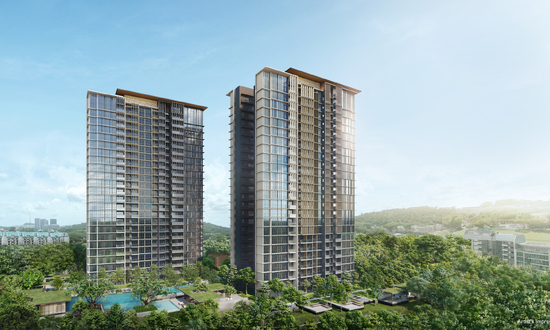

Modern residential living is no longer defined only by the home itself, but also by what surrounds it. Accessibility to schools, shopping districts, healthcare services, and leisure facilities plays a major role in shaping everyday convenience and long-term property value. In this context, developments such as Lucerne Grand are often assessed based on their surrounding neighborhood advantages and lifestyle connectivity.
Understanding the nearby amenities helps homebuyers and investors evaluate how well a residential location supports family needs, commuting efficiency, and daily comfort.
Educational Institutions and Learning Options Nearby
One of the key considerations for families is access to quality education. Residential areas with nearby schools often attract long-term homeowners due to convenience and stability.
In well-developed urban districts, educational options typically include:
- Primary and secondary schools within short commuting distance
- International schools for expatriate families
- Childcare centers and preschools
- Tuition and enrichment centers
These institutions contribute to a family-friendly environment where students can reduce travel time and focus more on learning. Easy access to education also strengthens the overall residential appeal of the area.
Shopping Centers and Retail Convenience
Shopping accessibility is a major advantage for residents who prefer convenience in daily life. Areas surrounding modern residential developments usually include a mix of retail hubs, supermarkets, and lifestyle stores.
Nearby shopping options often feature:
Large Shopping Malls
Major malls typically provide a full range of retail stores, dining outlets, entertainment venues, and supermarkets under one roof. This makes them a central destination for weekly errands and leisure activities.
Neighborhood Retail Shops
Smaller retail outlets near residential zones offer quick access to essentials such as groceries, pharmacies, and daily necessities.
Specialty Stores and Markets
Local markets and specialty shops provide fresh produce, cultural goods, and unique dining experiences that contribute to a vibrant community lifestyle.
For residents, this combination of retail options ensures that both daily needs and lifestyle shopping are easily fulfilled.
Dining and Food Options Around the Area
Food accessibility is another important factor that enhances residential living. A well-connected neighborhood typically offers a wide variety of dining choices.
Common food options include:
- Casual eateries and cafes
- Family restaurants and fast-food outlets
- Fine dining establishments
- Hawker-style or local food markets
This diversity allows residents to enjoy different cuisines without traveling far, making everyday dining more convenient and enjoyable.
Healthcare and Medical Facilities
Access to healthcare services is essential for any residential area. Proximity to clinics, hospitals, and pharmacies provides peace of mind for families and elderly residents.
Typical healthcare facilities nearby may include:
- General practitioner clinics
- Dental clinics
- Specialist medical centers
- Public and private hospitals
- 24-hour pharmacies
Having medical services within easy reach ensures prompt attention during emergencies and supports long-term wellness needs.
Transport Connectivity and Accessibility
Good transport infrastructure enhances the value of any residential location. Efficient connectivity allows residents to travel easily for work, education, and leisure.
Key transport features often include:
- Nearby MRT or train stations
- Bus interchanges and routes
- Major expressways for private vehicles
- Pedestrian-friendly pathways
Well-connected neighborhoods reduce commuting time and improve overall lifestyle convenience, especially for working professionals.
Recreational Parks and Lifestyle Amenities
Beyond essential services, recreational spaces contribute significantly to quality of life. Green spaces and leisure facilities provide opportunities for relaxation and social activities.
Common nearby amenities include:
- Public parks and walking trails
- Fitness centers and sports facilities
- Community clubs and event spaces
- Waterfront or nature reserves (where applicable)
These spaces encourage a healthier and more balanced lifestyle, offering residents a break from urban routines.
Community Services and Everyday Essentials
A well-developed residential area also includes essential community services that support daily living.
These often consist of:
- Banking and ATM services
- Postal and delivery points
- Convenience stores
- Educational enrichment centers
- Religious and cultural facilities
Such services contribute to a self-sufficient neighborhood where residents can meet most needs without traveling long distances.
Conclusion
The surrounding environment of a residential development plays a crucial role in shaping its livability and long-term value. Access to schools, shopping centers, healthcare services, transport networks, and recreational spaces all contribute to a well-rounded lifestyle.
For developments like Lucerne Grand, proximity to these essential amenities enhances daily convenience while also supporting long-term residential appeal. A well-connected and resource-rich neighborhood ensures that residents enjoy both comfort and practicality in their everyday lives.