
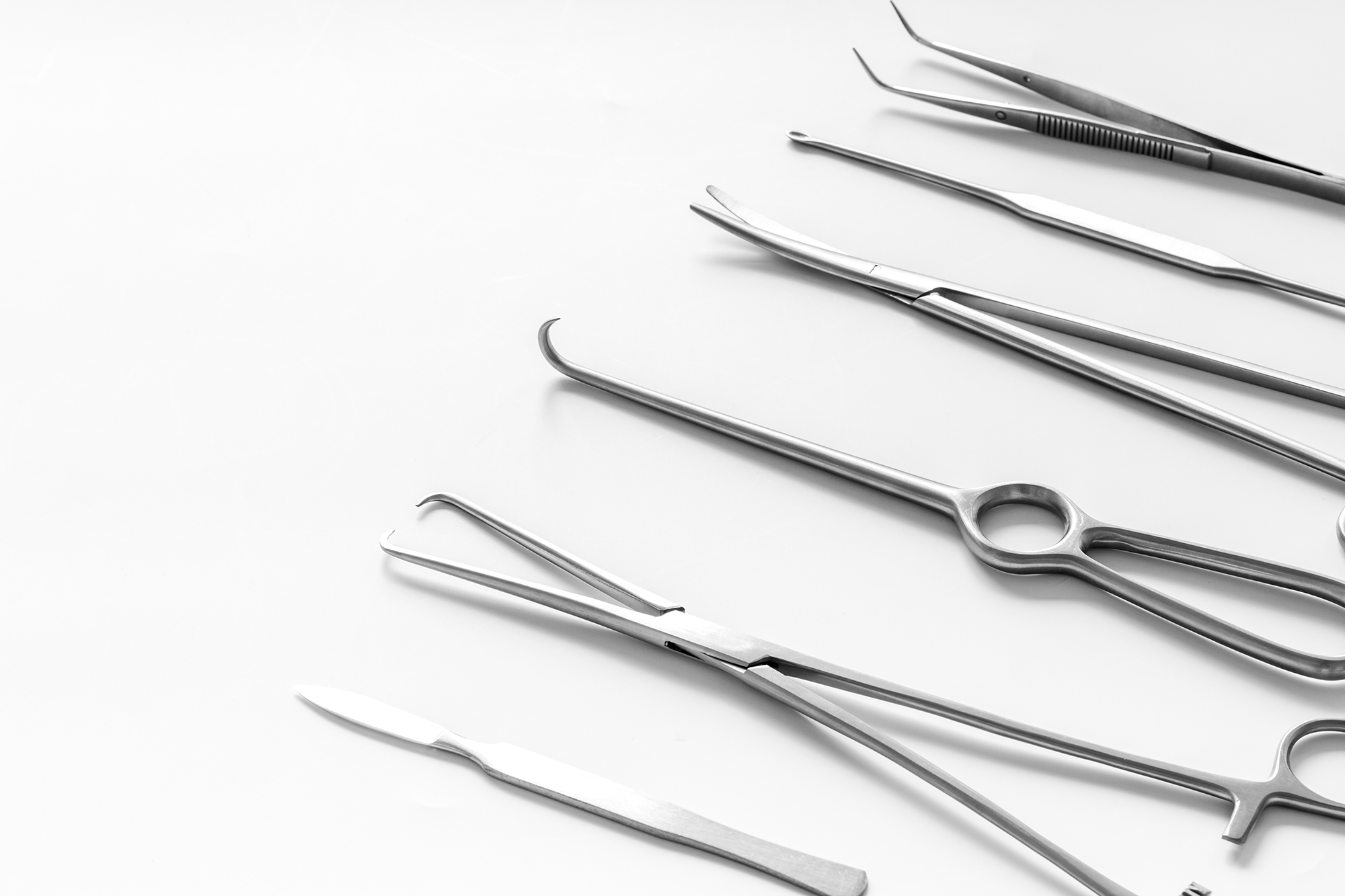

Success depends not only on the surgeon’s expertise but also on the reliability of the tools being used. Among these essential tools, instruments for surgery play a foundational role in ensuring procedures are carried out with accuracy, safety, and control. These instruments may appear simple at first glance, but they represent years of engineering refinement and clinical understanding that make modern surgery possible.
The operating room is a place where precision matters in seconds, and every instrument has a defined purpose. From holding tissues to cutting, clamping, or suturing, each tool contributes to the overall flow of a surgical procedure. In this environment, even the smallest delay or inaccuracy can affect outcomes, which is why hospitals and surgical teams place immense importance on selecting reliable equipment. This ecosystem of tools and techniques is where general surgery OT instruments become central to clinical practice.
Understanding the role of surgical instruments in modern healthcare
Surgical instruments are not just metal tools; they are extensions of the surgeon’s hands. Their design is rooted in the need for control, stability, and predictability during complex medical procedures. Over time, advancements in material science and medical engineering have transformed these instruments into highly specialized devices that support a wide range of surgical applications.
In modern healthcare settings, surgical teams rely on instruments that offer consistency under pressure. Whether it is a routine procedure or a highly delicate operation, the functionality of each instrument determines how smoothly the process unfolds. This is especially important in operating theatres where efficiency and sterility must go hand in hand. The demand for reliable general instruments for surgery continues to grow as hospitals expand their surgical capabilities and adopt more advanced treatment methods.
What makes these instruments even more critical is their adaptability. A single surgical procedure may require multiple tools working in sequence, each contributing to a specific stage of the operation. This seamless coordination is what allows surgeons to focus entirely on patient care without interruptions caused by equipment limitations.
The structure and design philosophy behind surgical tools
The design of surgical instruments is guided by three essential principles: precision, durability, and ergonomics. Precision ensures that each movement translates accurately during surgery. Durability guarantees that the instruments can withstand repeated sterilization and long-term usage. Ergonomics ensures that surgeons can use them comfortably during long procedures without fatigue.
Manufacturers of general surgery OT instruments invest heavily in refining these aspects. The balance between weight and control is carefully engineered so that instruments feel natural in hand. Even the texture of the grip is designed to prevent slipping in high-pressure situations. Stainless steel remains the most widely used material because of its resistance to corrosion and compatibility with sterilization processes.
The importance of precision in surgical environments
Surgical environments demand absolute precision, where even the smallest tool plays a critical role. Instruments used in procedures are selected based on their ability to perform specific functions without deviation. This precision is especially important in delicate surgeries involving nerves, blood vessels, or internal organs.
In such scenarios, instruments provide the foundational support needed for safe and controlled procedures. They help maintain stability during incisions, tissue handling, and wound closure. Without these instruments, surgical procedures would lack the consistency required for successful outcomes.
Operating theatres are also designed to minimize errors, and instruments are a key part of that system. Each tool is sterilized, organized, and positioned in a way that allows surgeons to access them quickly. This structured environment reduces cognitive load on the surgical team and enhances focus during critical moments.
Evolution of surgical instruments and modern innovations
Over the years, surgical instruments have evolved significantly from basic mechanical tools to highly refined medical devices. Early surgical tools were often simple and limited in function, but modern advancements have introduced enhanced precision, improved materials, and specialized designs.
Today, OT instruments are part of a highly developed ecosystem that supports minimally invasive techniques and complex procedures alike. Innovations such as improved grip ergonomics, lightweight alloys, and refined cutting edges have made surgeries safer and more efficient. These improvements also contribute to reduced recovery times for patients, as procedures become less invasive and more controlled.
Digital integration is also influencing surgical environments. While traditional instruments remain essential, modern operating rooms are increasingly incorporating advanced technologies that complement manual tools. However, the core principles of surgical instrumentation remain unchanged: reliability, precision, and safety.
Why quality matters more than ever in surgical practice
As healthcare systems evolve, the demand for higher standards in surgical care continues to grow. Patients expect safer procedures, faster recovery times, and improved outcomes. To meet these expectations, hospitals must rely on instruments that are consistent, durable, and precise.
High-quality general surgery OT instruments contribute directly to these outcomes by reducing procedural risks and enhancing surgical efficiency. Poor-quality instruments, on the other hand, can lead to complications, delays, or even surgical errors. This makes quality assurance a non-negotiable aspect of medical equipment selection.
Manufacturers who prioritize precision engineering and strict quality control help elevate the overall standard of healthcare delivery. Their role is essential in supporting surgeons and medical teams around the world.
Conclusion
Behind every successful surgical procedure is an entire ecosystem of design, manufacturing, sterilization, and clinical application. Surgical instruments are at the center of this ecosystem, connecting medical science with real-world patient care.
From hospitals to medical training institutions, the use of reliable tools ensures that healthcare professionals can perform their duties with confidence. This ecosystem thrives on continuous improvement and collaboration between engineers, manufacturers, and medical experts.
In this evolving landscape, companies like Salwan Surgicare contribute to the broader healthcare supply chain by supporting the availability of well-designed surgical instruments that meet global expectations. Their presence reinforces the importance of precision-driven manufacturing in advancing modern surgical practices.