
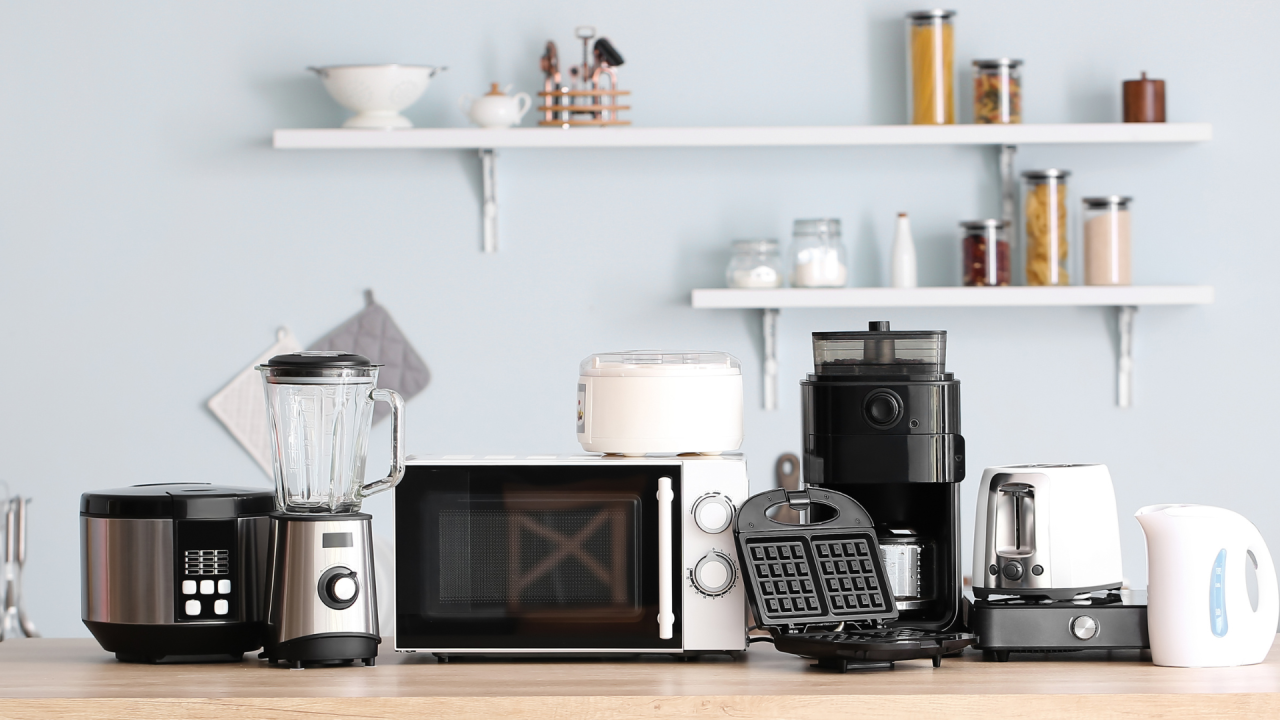

The global home appliances industry is built on a complex network of production, distribution, and branding partnerships. While consumers often see finished products on retail shelves or online stores, those products typically pass through multiple stages before reaching the market. Two of the most important players in this ecosystem are manufacturers and suppliers, each serving distinct but interconnected roles.
Understanding the difference between these two entities is essential for businesses looking to source products efficiently and scale operations. In this context, working with a reliable home appliances supplier can significantly impact product availability, customization options, and overall supply chain performance.
What Is a Home Appliances Manufacturer?
A manufacturer is responsible for producing home appliances from raw materials or components. This includes designing, engineering, assembling, and testing products before they enter the market.
Manufacturers typically handle:
- Product research and development
- Engineering and industrial design
- Large-scale production processes
- Quality control and factory testing
Manufacturers are the foundation of the supply chain, as they physically create the products that suppliers and brands later distribute.
What Is a Home Appliances Supplier?
A supplier acts as an intermediary between manufacturers and the market. Suppliers source products from manufacturers and distribute them to wholesalers, retailers, and sometimes directly to businesses or end customers.
Their key responsibilities include:
- Product sourcing and selection
- Inventory management and storage
- Order fulfillment and distribution
- Market customization and branding support
Unlike manufacturers, suppliers focus more on logistics, availability, and market delivery rather than production.
Key Differences in Core Functions
The primary difference between suppliers and manufacturers lies in their roles within the supply chain. Manufacturers create products, while suppliers distribute them.
To summarize:
- Manufacturers: Focus on production and engineering
- Suppliers: Focus on distribution and market access
This distinction helps businesses decide whether they need production capabilities or sourcing and logistics support.
Product Customization and Flexibility
Manufacturers typically offer deeper technical customization because they control the production process. This includes changes to product design, components, and specifications.
Suppliers, on the other hand, often provide:
- OEM and ODM product options
- Branding and packaging customization
- Selection from existing product catalogs
- Flexible order quantities for different markets
Suppliers are often more adaptable for businesses that need ready-to-market solutions without investing in manufacturing infrastructure.
Supply Chain Role and Market Reach
Manufacturers operate at the production level, usually within specific regions or industrial zones. Their focus is on efficiency and output capacity.
Suppliers operate at the distribution level, often serving multiple regions and markets. Their role includes:
- Managing cross-border logistics
- Coordinating bulk shipments
- Supporting retail and wholesale channels
- Ensuring product availability across markets
This makes suppliers essential for global trade and large-scale distribution.
Cost Structure Differences
Cost structures also differ significantly between manufacturers and suppliers.
Manufacturers typically:
- Offer lower production costs at high volumes
- Require large minimum order quantities
- Focus on factory-level pricing models
Suppliers typically:
- Add distribution and logistics costs
- Offer flexible order sizes
- Provide bundled services such as storage and shipping
Businesses must evaluate both cost models depending on their operational needs.
Quality Control and Responsibility
Manufacturers are directly responsible for production quality, ensuring that appliances meet engineering and safety standards. They handle testing at the production stage.
Suppliers ensure that:
- Products meet market requirements
- Quality standards are maintained during storage and transport
- Defective items are identified before distribution
Both roles contribute to overall product reliability, but at different stages of the supply chain.
Which One Do Businesses Need?
The choice between a manufacturer and a supplier depends on business goals and operational scale.
Businesses may choose manufacturers when they need:
- Full control over product design
- Large-scale production capabilities
- Highly customized appliances
They may choose suppliers when they need:
- Faster market entry
- Lower operational complexity
- Access to ready-made product catalogs
- Flexible sourcing solutions
In many cases, businesses work with both to optimize efficiency and scalability.
Conclusion
Manufacturers and suppliers play distinct but equally important roles in the home appliances industry. While manufacturers focus on creating products, suppliers ensure those products reach global markets efficiently and reliably. Understanding these differences helps businesses make informed sourcing decisions and build stronger supply chains. Partnering with a reliable home appliances supplier can provide the flexibility, scalability, and market access needed to succeed in a competitive global environment.