
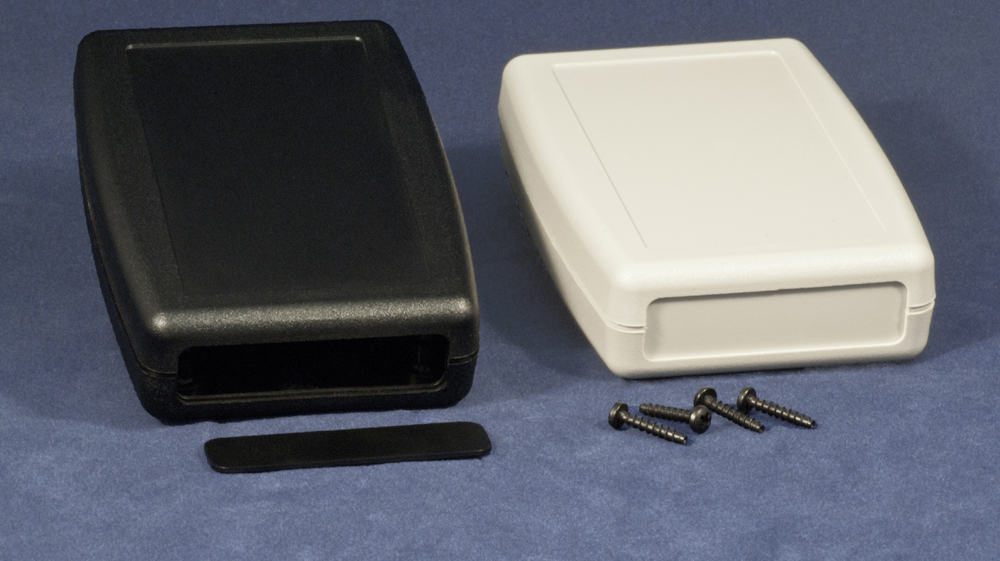

Plastic enclosures are widely used in electrical and electronic systems because they provide reliable protection, design flexibility, and cost efficiency. As electrical systems become more compact and complex, the need for safe and durable housing solutions has increased significantly. Plastic enclosures help ensure that sensitive components remain protected from environmental and mechanical risks.
Modern engineering often relies on materials like ABS to achieve a balance between performance and affordability. In many electrical applications, plastic enclosures are preferred because they can be easily customized while still offering strong protection for internal components.
Electrical Safety and Insulation
One of the most important benefits of plastic enclosures is their natural electrical insulation properties. Unlike metal enclosures, plastic does not conduct electricity, which reduces the risk of short circuits and accidental electrical contact.
This makes them especially useful in:
- Power distribution units
- Control panels
- Junction boxes
- Consumer electronic devices
By reducing electrical hazards, plastic enclosures contribute to safer system operation.
Lightweight and Easy Installation
Plastic enclosures are significantly lighter than metal alternatives, making them easier to transport, handle, and install. This is particularly beneficial in large-scale electrical installations where multiple enclosures are required.
Key advantages include:
- Reduced installation effort and time
- Lower transportation costs
- Easier wall or panel mounting
- Improved portability for mobile systems
Their lightweight nature does not compromise structural strength in most standard applications.
Protection Against Environmental Factors
Electrical components are often exposed to dust, moisture, and temperature changes. Plastic enclosures provide a protective barrier that helps maintain system reliability in such conditions.
Depending on the design, they can offer protection against:
- Dust and airborne particles
- Water splashes or humidity
- Mild chemical exposure
- Physical impact and vibration
This environmental resistance helps extend the lifespan of electrical systems.
Cost-Effective Solution for Electrical Systems
Cost is a major consideration in electrical design and installation. Plastic enclosures offer a more affordable alternative to metal housings without sacrificing essential protective features.
They are particularly cost-effective because:
- They can be mass-produced using injection molding
- They require less material processing
- They reduce installation and maintenance costs
- They support scalable production for large projects
This makes them suitable for both small-scale and industrial applications.
Design Flexibility and Customization
Plastic enclosures are highly adaptable and can be molded into various shapes and sizes. This flexibility allows engineers to design enclosures that fit specific electrical layouts and functional requirements.
Common customization options include:
- Cable entry points and cutouts
- Mounting brackets and internal supports
- Ventilation slots for heat management
- Branding, labeling, and surface finishes
This level of customization improves both functionality and usability.
Corrosion Resistance and Durability
Unlike metal enclosures, plastic does not rust or corrode when exposed to moisture or environmental elements. This makes it especially suitable for humid or chemically exposed environments.
Benefits include:
- Long-term structural stability
- Reduced maintenance requirements
- Better performance in corrosive environments
- Consistent appearance over time
This durability ensures reliable long-term operation of electrical systems.
Conclusion
Plastic enclosures provide a wide range of benefits for electrical applications, including safety, cost efficiency, durability, and design flexibility. Their ability to protect sensitive components while remaining lightweight and customizable makes them an essential solution in modern electrical engineering. With proper selection and design, plastic enclosures can significantly enhance the performance, safety, and longevity of electrical systems across various industries.