
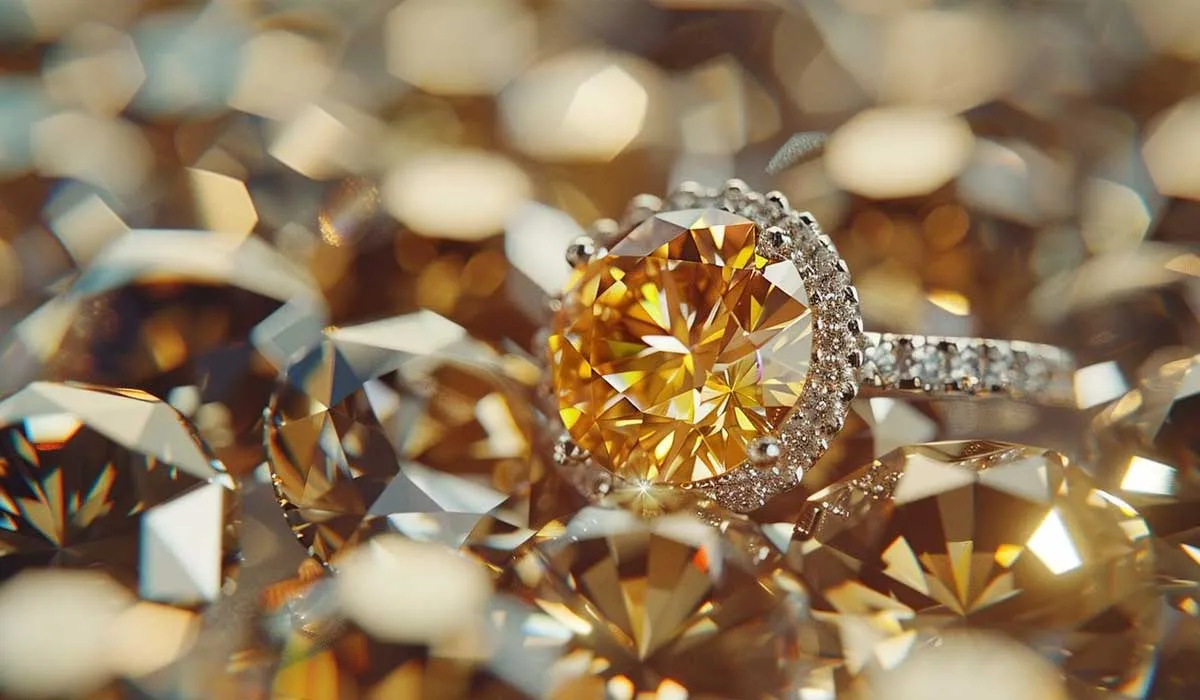

Understanding Yellow Lab Grown Diamonds
Yellow lab grown diamonds are a popular and increasingly sought-after category within the diamond industry. These diamonds are created in controlled laboratory environments using advanced technological processes that replicate the natural diamond formation conditions. What makes them unique is their distinct yellow color, which results from the presence of nitrogen during the growth process.
Unlike mined diamonds, lab grown versions offer a more sustainable and controlled production method while maintaining the same physical, chemical, and optical properties as natural diamonds. Their vibrant yellow hue has made them a stylish choice for modern jewelry designs.
What Makes Yellow Lab Diamonds Unique
The appeal of yellow lab grown diamonds lies in their combination of beauty, affordability, and ethical sourcing. These diamonds display a range of yellow shades, from light lemon tones to deep fancy yellow colors, depending on the intensity of nitrogen incorporation during formation.
Color intensity plays a major role in determining their appearance and value. Lighter shades tend to appear more subtle and elegant, while deeper yellow tones are bold and vibrant, often preferred for statement jewelry pieces.
Because they are lab created, these diamonds offer greater consistency in color distribution compared to some natural diamonds. This makes them especially appealing for designers seeking uniformity in jewelry collections.
The Science Behind Their Color
The yellow color in lab grown diamonds is primarily caused by nitrogen atoms interacting with the diamond’s crystal structure. When nitrogen is present during the growth process, it absorbs blue light, resulting in a visible yellow hue.
Different growth methods, such as Chemical Vapor Deposition (CVD) and High Pressure High Temperature (HPHT), can influence how the color develops. HPHT is often used to enhance or produce stronger yellow tones, while CVD allows for more controlled color refinement.
The ability to control color during production is one of the key advantages of lab grown diamonds, allowing manufacturers to create consistent and desirable shades of yellow.
Evaluating Quality in Yellow Lab Grown Diamonds
Just like natural diamonds, yellow lab grown diamonds are evaluated based on the four Cs: cut, color, clarity, and carat weight.
Cut quality is essential because it determines how well the diamond reflects light. A well-cut diamond enhances brilliance and maximizes the visual appeal of its yellow color.
Color grading focuses on the intensity and uniformity of the yellow hue. Diamonds are typically classified from faint yellow to fancy vivid yellow, with stronger colors generally being more valuable in fashion-forward jewelry.
Clarity refers to the presence of internal or external imperfections. Lab grown diamonds often have fewer inclusions compared to mined diamonds, making them visually cleaner.
Carat weight determines the size of the diamond, which directly impacts its price and presence in jewelry pieces.
Value Comparison with Natural Yellow Diamonds
One of the main advantages of lab grown yellow diamonds is their affordability. They are typically priced significantly lower than natural yellow diamonds of similar quality and appearance. This allows buyers to access larger or higher-quality stones within the same budget.
Despite the lower cost, lab grown diamonds are physically and chemically identical to mined diamonds. This means they offer the same durability, brilliance, and optical performance.
Their value proposition lies in combining luxury aesthetics with cost efficiency, making them attractive for both consumers and jewelry designers.
Popular Uses in Jewelry Design
Yellow lab grown diamonds are widely used in various types of jewelry due to their vibrant color and versatility. They are especially popular in engagement rings, where they offer a unique alternative to traditional white diamonds.
They are also commonly used in halo settings, where smaller diamonds surround a central stone to enhance its brilliance. The yellow hue adds a warm and distinctive touch to these designs.
In earrings, pendants, and fashion jewelry, yellow diamonds are often used as focal points due to their eye-catching color. Designers appreciate their ability to stand out while maintaining elegance.
Ethical and Environmental Advantages
One of the key reasons for the growing popularity of lab grown diamonds is their ethical and environmental benefits. Unlike traditional mining, lab creation significantly reduces environmental disruption and avoids many of the ethical concerns associated with diamond mining.
Consumers who prioritize sustainability are increasingly choosing lab grown options because they offer a responsible alternative without compromising beauty or quality.
This shift in consumer preference has contributed to the rapid growth of the lab grown diamond market worldwide.
Choosing the Right Yellow Lab Diamond
When selecting a yellow lab grown diamond, buyers should consider their personal preferences, intended use, and budget. Color intensity is one of the most important factors, as it directly influences the overall look of the diamond.
Cut quality should also be prioritized to ensure maximum brilliance. Even a well-colored diamond can appear dull if it is poorly cut.
Clarity and carat weight should be balanced based on design requirements and price considerations. Larger stones with high clarity are ideal for statement pieces, while smaller stones work well for subtle designs.
Conclusion
Yellow lab grown diamonds represent a modern blend of science, beauty, and sustainability. Their vibrant color, combined with ethical production and affordability, makes them an attractive choice for both consumers and jewelry designers.
By understanding their color formation, quality factors, and value advantages, buyers can make informed decisions when selecting the perfect diamond. As demand continues to grow, these diamonds are becoming an important part of the future of fine jewelry design.