
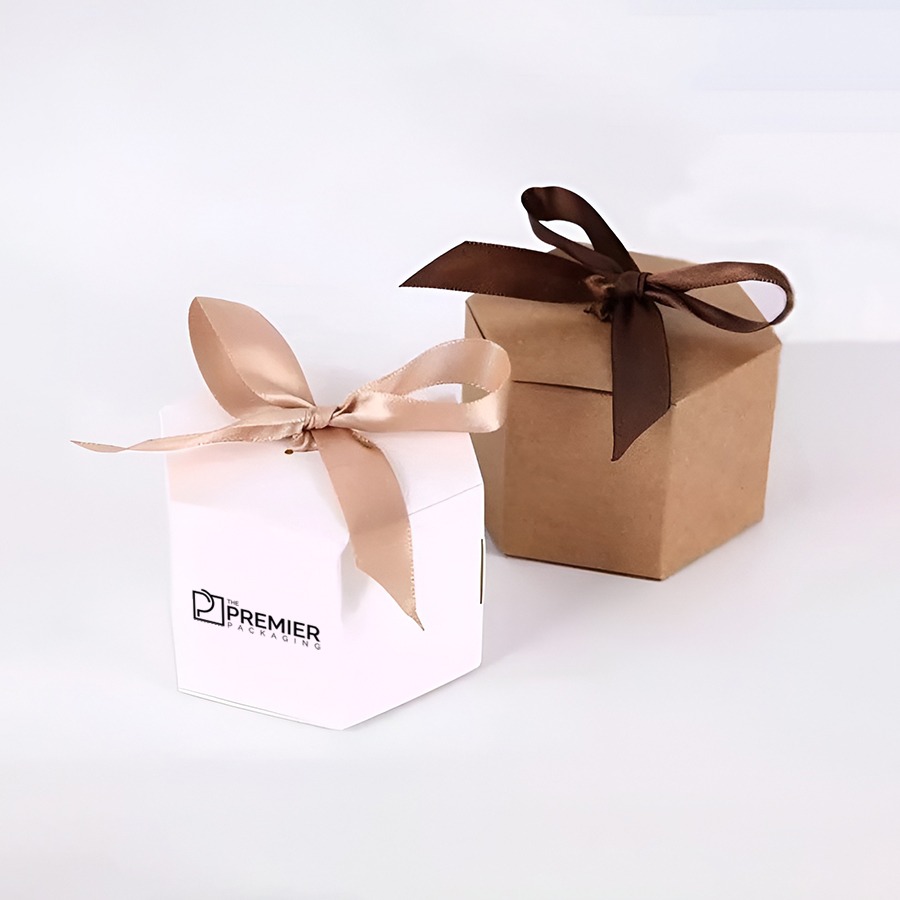

The Kraft paper had a reputation that was utilitarian, brown and decidedly unbranded over the years. It consisted of grocery bags and shipping carton material, rather than luxury experiences. However, the branding world has changed. Consumers are shunning plastic gloss, metallic overkill, and excessive coats, in 2026. They desire genuineness, longevity, and feel-true integrity. Enter Kraft paper gift boxes the unlikely hero of premium branding. This simple material conveys environmental consciousness, craftsmanship and understated sophistication when intelligently used. The following are ten clever ideas on how to use big Kraft gift boxes to boost your brand without losing your shirts in packaging expenses.
Embrace the Raw, Uncoated Aesthetic
The greatest failure that brands can commit with Kraft is that they attempt to cover it with a shiny paint or to paste it to appear white cardstock. Stop. The strength of Kraft gift box with window is that they are uncoated with a rough hand feel. That little ruggedness, those fibers of wood, the cozy brown color of them are not defects. They are features. By 2026, customers will consider uncoated Kraft to be truthful, open, and nature-conscious. Get out of the way. Allow customers to feel the paper grain. That handshake connection creates trust quicker than a slick brochure ever would.
Pair Kraft with Bold Foil Stamping
Some brands might find even raw Kraft too rustic. The solution? Contrast. A plain brown Kraft paper gift box with brilliant gold, rose gold or holographic foil stamp provides visual tension between earthly and elegant. The foil reflects light and the Kraft absorbs it. This mixture is an indication: we are environmental friendly, and we are fashionable. This appearance has become popular among brands in the organic skincare, artisanal chocolate, and high-end cannabis spaces. The secret lies in moderation. A single foil element of a logo, a single word, a fine pattern of lines does more than covering all surfaces.
Use Debossing for Quiet Luxury
When foil is too glitzy to your brand voice, think of debossing. An embossed mark or design is stamped on the Kraft surface forming a slight indent which reflects shadows. No ink. No foil. Pure paper and pressure. This trick fits the so-called quiet luxury momentum that is dominating in 2026, i.e. Brunello Cucinelli or The Row, where branding is more of a whisper than a scream. Kraft paper gift boxes that have deep crisp debossing appear to be costly, since they are unwilling to overwork. The customers Rub their fingers on the indentation. The little encounter is a brand experience.
Turn the Box Interior into a Surprise Canvas
The majority of brands adorn the exterior of their Kraft paper boxes and neglect the interior, which remains brown. Intelligent brands do just the reverse. Cover the interior with a rich, surprising color rich emerald, bright coral, electric blue. Or print a pattern, poem or brand manifesto on the inside lid. As the customer picks up the lid, the difference between poor exterior and the unexpected interior makes the experience delightful. Such a sense of a hidden premium warrants higher prices. It also shoots well to create unboxing videos, which will still be one of the most effective organic marketing platforms in 2026.
Integrate Seed Paper Elements
Sustainability has ceased to be a luxury it is an expected requirement. But you can go beyond that level. Plant wildflower seeds in a belly band that can be removed or in the insert of your brown Kraft gift boxes. Ask the customer to plant the packaging. This transforms your box from waste into a garden. Social media shares increase more than 300 percent on seed-paper campaigns when the brand has experimented with this. The message is self-explanatory: Our package becomes beautiful like our relationship with you.
Customize with Handwritten-Style Typography
The natural feel of Kraft paper goes hand in hand with script typefaces that resemble handwriting or letterpress printing. Do not use hard, corporate non-serifs. Rather, select a font that appears as ink on paper a bit irregular, warm, human. One-color print: deep charcoal, forest green or burgundy. The blend of natural Kraft and handwriting typography is intimate, small-scale and well thought-out. In the case of brands that sell handmade products, merchandise of farmers markets, or limited edition products, such aesthetic creates an emotional bond that avoidance of sterile packaging cannot create.
Create Modular, Reusable Boxes
Premium branding is not a one-time unboxing process, but a long-lasting one. Design your Kraft paper gift boxes to be reused. Use a magnetic closure that is secure rather than a tear strip. Lay on stiff, strong Kraft board (not light, thin stock). Included should be a removable insert that turns the box into a jewelry holder or a desk organizer or a photo storage case. As long as the customer keeps the box in his house (months or years) your brand remains visible. Whenever they pick up that box they are reminded of the good experience that they had when you gave them a gift. That is long-term branding that leaves you with a dividend long after the sale.
Layer with Tissue, Ribbon, and Washi Tape
A plain Kraft box is ok. A Kraft box wrapped in a custom-printed tissue paper, a waxed cotton ribbon, and a strip of decorative washi tape? That is an event. Layering can be perceived value added but not very expensive. Select materials that match the Kraft natural linen ribbon, unbleached tissue, paper tape with slight designs. Plastic ribbons or fake shred should be avoided. The intention is to be unified, ground-based, sensory, between the outer box to the inner gift. Customers will take pictures of each layer, and the photos will turn into your most effective advertisements.
Tell Your Sustainability Story on the Box
In 2026 the consumers are doubtful of empty claims of being eco-friendly. They want specifics. Tell the truth using the surface of your Kraft paper gift boxes. Print: 100% post-consumer waste, biodegradable, printed with vegetable-based inks, no laminates or plastic finishes, recycles with regular paper streams. Even better, include a QR-code to a video of how you make it, your forest stewardship credentials, or your carbon-neutral shipping policy. There is no quicker way to gain trust than through transparency. Kraft paper is honest in its nature, so should your messages.
Conclusion
In 2026, premium branding will not imply additional gloss, plasticity, and complexity. It is being consistent in what you say and what you do, what you package and what you hold dear. Gift boxes made of Kraft paper would provide that alignment naturally. They are not too expensive that startups would afford but at the same time they are not too expensive that luxury houses would not afford. They are green without greenwashing. They are plain foil, debossing, surprise interiors, and story blank canvases. Brands that triumph this year are not the most vocal. They will be the very frank. And being honest, it is, like Kraft paper.