
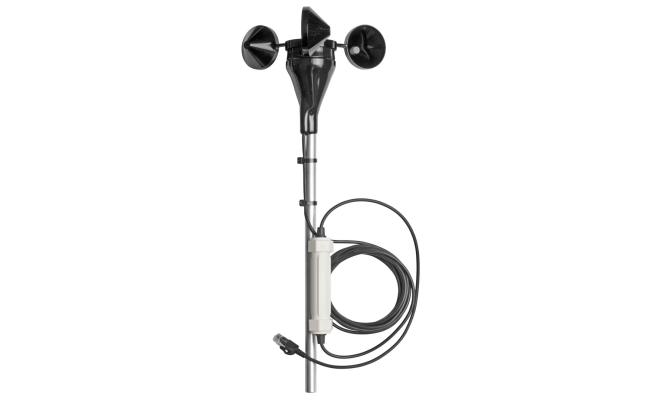

A reliable wind speed sensor is an essential instrument in weather monitoring, aviation, marine navigation, renewable energy, and environmental research. Accurate wind measurements are crucial for predicting weather patterns, ensuring safety, optimizing wind energy production, and conducting scientific studies. However, not all wind speed sensors deliver consistent or precise data, and understanding the features that contribute to reliability is key to selecting the right instrument for specific applications.
A Wind Speed Sensor measures the velocity of air movement and converts it into electrical signals for analysis. For a sensor to be dependable, it must consistently provide accurate measurements, withstand harsh environmental conditions, and integrate seamlessly with monitoring systems. Reliability is not just about the technology itself but also about its construction, calibration, and performance under variable conditions.
Accuracy and Precision
Accuracy is the most fundamental feature of a reliable wind speed sensor. A sensor must provide measurements that closely match the actual wind speed to ensure that forecasts, operational decisions, and research data are valid. Precision complements accuracy by ensuring that repeated measurements under the same conditions produce consistent results.
High-quality sensors often use advanced technologies such as cup anemometers, ultrasonic detectors, or hot-wire anemometry to achieve superior accuracy. Accurate sensors are especially important for applications such as aviation, where even small errors in wind speed readings can affect takeoff and landing safety. Precision also ensures that long-term wind monitoring studies provide meaningful data for research and analysis.
Robust Construction and Durability
Environmental resilience is another critical aspect of reliability. A wind speed sensor must withstand extreme weather conditions, including heavy rain, snow, high winds, dust, and temperature fluctuations. Durable sensors feature corrosion-resistant materials, reinforced housings, and protective coatings to maintain performance over time.
In addition to weather resistance, mechanical robustness is essential. Sensors with moving parts, such as traditional cup anemometers, should be engineered to resist wear and tear while maintaining smooth operation. Sensors with no moving parts, like ultrasonic sensors, often provide enhanced durability and lower maintenance requirements. A reliable sensor maintains consistent operation even after prolonged exposure to harsh environmental conditions.
Rapid Response and Low Lag
A dependable wind speed sensor must respond quickly to changes in wind speed and direction. Rapid response is critical in scenarios such as storm monitoring, aviation, and marine navigation, where sudden shifts in wind conditions can have significant safety implications.
Sensors with low lag provide real-time or near-real-time data, ensuring that monitoring systems can react promptly. Ultrasonic wind speed sensors are particularly effective in this regard because they detect wind variations almost instantaneously without relying on mechanical movement. Fast response and minimal lag enhance the reliability of data for operational and safety-critical applications.
Wide Measurement Range
The range of wind speeds that a sensor can accurately measure is an important factor in its reliability. A sensor must detect both light breezes and high-speed gusts without saturating or losing accuracy. For example, weather stations in coastal or mountainous regions may experience wind speeds ranging from a few kilometers per hour to hurricane-level conditions.
Sensors with a limited range may fail to provide accurate data during extreme events, which could compromise safety or operational planning. A reliable wind speed sensor maintains accuracy and precision across its entire specified measurement range.
Calibration and Maintenance
Periodic calibration is essential for ensuring long-term reliability. Even high-quality sensors can experience drift over time due to environmental exposure, mechanical wear, or electronic degradation. Regular calibration against a standard reference ensures that the sensor continues to provide accurate readings.
In addition to calibration, ease of maintenance contributes to reliability. Sensors that are simple to inspect, clean, and service minimize downtime and reduce the likelihood of malfunction. Maintenance-friendly designs are particularly important for remote or hard-to-access installations, such as offshore wind farms or isolated meteorological stations.
Environmental Compensation Features
Advanced wind speed sensors often include features that compensate for environmental factors. For instance, temperature and humidity variations can affect sensor performance, especially in sensitive electronic or mechanical designs. Sensors with built-in compensation mechanisms maintain consistent accuracy regardless of environmental fluctuations, improving reliability across diverse conditions.
Additionally, protective elements such as anti-icing systems or self-cleaning housings ensure that the sensor continues to function effectively even in challenging weather, further enhancing long-term reliability.
Integration and Data Handling
A reliable wind speed sensor must also be compatible with data collection and monitoring systems. Digital output, wireless connectivity, and compatibility with control software are key features that allow seamless integration. Accurate, timely, and well-formatted data ensures that operational decisions and research analyses are based on trustworthy measurements.
Conclusion
Reliability in a wind speed sensor is determined by a combination of accuracy, precision, durability, rapid response, wide measurement range, calibration, environmental compensation, and seamless integration. These features ensure consistent and dependable data, which is critical for weather forecasting, aviation safety, renewable energy optimization, environmental monitoring, and scientific research. Selecting a sensor that incorporates these key characteristics guarantees that it will provide accurate, durable, and actionable information for both operational and research purposes.