
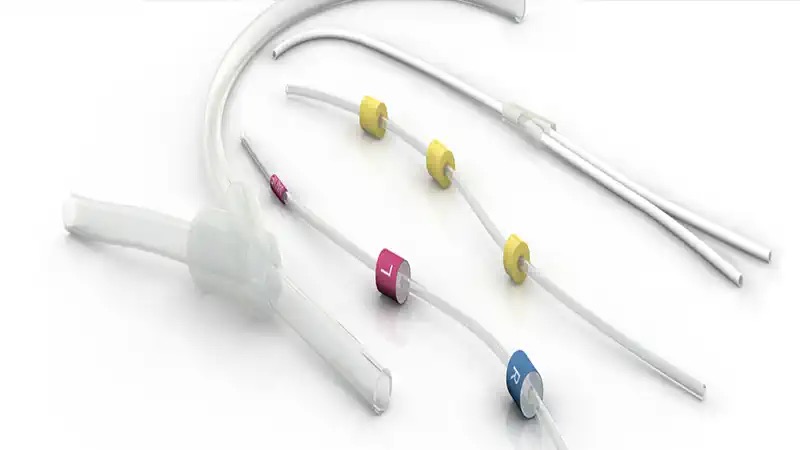

Introduction to Medical Grade Tubing
Medical grade tubing is an essential component in modern healthcare, providing safe and reliable pathways for fluids, gases, and medications in hospitals, laboratories, and medical devices. Its quality directly affects patient safety, treatment accuracy, and the efficiency of medical operations. These tubes are designed to meet rigorous standards, ensuring they are biocompatible, chemically stable, and mechanically durable under a wide range of clinical conditions.
High-quality Medical Grade Tubing is manufactured to meet strict industry regulations, including FDA and ISO certifications. The use of certified materials ensures that the tubing is safe for direct contact with human tissues and fluids, resistant to sterilization processes, and capable of maintaining performance under demanding conditions. Understanding the features and benefits of medical grade tubing is critical for healthcare providers and device manufacturers to maintain patient safety and system reliability.
Key Features of Medical Grade Tubing
Medical grade tubing is characterized by several features that make it suitable for healthcare applications:
Biocompatibility: Tubing must be non-toxic and chemically inert to prevent irritation, allergic reactions, or contamination when in contact with human tissues and fluids. Biocompatible materials ensure that treatments are delivered safely.
Flexibility and Durability: Tubing must withstand bending, stretching, and mechanical stress without kinking or breaking. Flexible tubing supports complex device configurations and patient movements while maintaining consistent fluid flow.
Chemical Resistance: Medical tubing must be resistant to acids, bases, solvents, and pharmaceuticals to ensure that transported fluids remain uncontaminated and maintain their intended properties.
Thermal and Sterilization Resistance: Tubing often needs to endure repeated sterilization processes such as autoclaving, gamma radiation, and chemical sterilants. Materials that maintain structural integrity under these conditions are essential for safe reuse and infection control.
Transparency: Many medical grade tubes are transparent, allowing visual monitoring of fluid flow to detect air bubbles, blockages, or other irregularities. This improves patient safety and operational efficiency.
Applications in Healthcare Settings
Medical grade tubing is utilized in a wide variety of healthcare applications, including:
Intravenous Therapy and Fluid Delivery: Tubing provides a reliable pathway for saline solutions, medications, and blood products, ensuring accurate and controlled delivery directly to the patient.
Surgical and Drainage Systems: Medical tubing is used in surgical drains, catheters, and post-operative fluid management systems. Its smooth inner surface and flexibility ensure efficient fluid removal while maintaining sterility.
Respiratory Support: Ventilators, oxygen delivery systems, and nebulizers rely on tubing that maintains airflow and resists kinking or obstruction. High-quality tubing ensures consistent patient respiratory support.
Laboratory and Biopharmaceutical Applications: Tubing is critical in fluid handling, reagent transfer, and cell culture systems, where chemical stability and sterility are essential. Transparent tubing allows easy visual monitoring during laboratory procedures.
Diagnostic Equipment: Medical grade tubing is used in devices for blood sampling, dialysis, and other diagnostic applications, where precise fluid delivery and patient safety are critical.
Maintenance and Sterilization Practices
To ensure the longevity and safety of medical grade tubing, proper maintenance and sterilization practices are required. Routine cleaning with mild detergents or enzymatic solutions removes residues and prevents bacterial growth. Flushing tubing in both directions ensures thorough cleaning.
Sterilization methods depend on the tubing material and application. Common methods include autoclaving, ethylene oxide, gamma radiation, and chemical sterilization. Tubing must retain flexibility, chemical resistance, and structural integrity after repeated sterilization cycles to maintain safety and reliability in medical procedures.
Regular inspection for cracks, discoloration, or mechanical wear is crucial. Tubing that shows signs of damage should be replaced immediately to avoid compromising patient safety or treatment effectiveness.
Benefits of High-Quality Medical Grade Tubing
Using high-quality medical grade tubing offers numerous benefits in healthcare:
Enhanced Patient Safety: Biocompatibility, chemical resistance, and sterility reduce the risk of contamination and adverse reactions.
Reliable Performance: Durability and flexibility ensure consistent fluid or gas flow, even in complex device configurations or dynamic environments.
Cost Efficiency: Long-lasting tubing reduces replacement frequency and maintenance costs, providing better value over time despite a higher initial investment.
Regulatory Compliance: Certified tubing ensures adherence to FDA, ISO, and other healthcare regulations, supporting safe and legal clinical operations.
Operational Efficiency: Transparency and flexibility allow healthcare staff to monitor and adjust treatments effectively, minimizing errors and interruptions.
Conclusion
Medical grade tubing is a critical component of modern healthcare, supporting a wide range of applications from intravenous therapy and surgical drainage to respiratory support and laboratory procedures. Its biocompatibility, chemical resistance, flexibility, and sterilization compatibility make it a reliable and safe material for transporting fluids and gases in medical settings.
By selecting high-quality medical grade tubing, healthcare providers ensure patient safety, enhance treatment efficiency, and maintain regulatory compliance. Proper maintenance, sterilization, and regular inspection further extend the tubing’s performance, making it an indispensable part of modern medical systems and critical to delivering safe and effective patient care.