
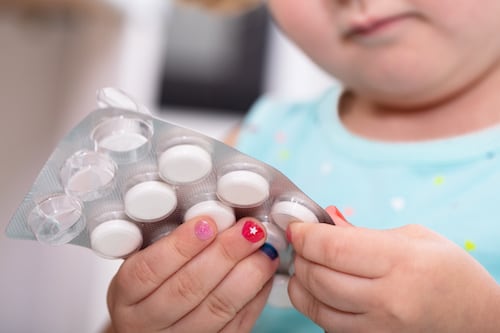

Child resistant boxes are specialized packaging solutions designed to prevent children from easily accessing potentially dangerous products. These packaging systems are widely used in pharmaceutical, chemical, cannabis, and household product industries. The main purpose of child resistant packaging is to reduce accidental poisoning risks while maintaining usability for adults. As safety regulations become stricter globally, manufacturers are investing in advanced packaging designs that improve protection and reliability.
Modern packaging engineering combines material science, mechanical design, and safety testing to produce high-performance containers. Businesses seeking safe and certified safety packaging solutions often explore reliable suppliers offering Child Resistant Boxes for bulk production. These boxes are engineered with locking mechanisms, pressure-based opening systems, or multi-step access procedures that make it difficult for children to open them without adult assistance.
Design Features of Child Resistant Boxes
Child resistant boxes are built using special structural designs that enhance safety performance. One of the most common mechanisms is the dual-action opening system, which requires two separate movements to access the product inside. This design is commonly used in medication storage containers and regulated product packaging.
Materials used in manufacturing child resistant boxes are selected for strength, durability, and chemical resistance. Paperboard, plastic composites, and reinforced fiber materials are commonly used. These materials help maintain product integrity while allowing manufacturers to create lightweight packaging structures.
Packaging design standards are often influenced by regulatory organizations such as the Consumer Product Safety Commission, which establishes performance testing protocols for safety packaging products. These protocols ensure packaging designs meet child access prevention requirements.
Importance of Child Resistant Packaging in Consumer Safety
Child resistant packaging plays a critical role in reducing accidental product exposure. Household chemicals, prescription medications, and certain cosmetic products can be dangerous if ingested by children. Packaging barriers provide an additional layer of safety beyond product labeling.
The pharmaceutical industry heavily relies on child safety packaging regulations enforced by the Food and Drug Administration. Medical products distributed in the United States must follow strict packaging and labeling guidelines. Safety packaging is considered an important component of overall drug risk management.
Businesses that manufacture safety packaging often comply with international quality frameworks established by the International Organization for Standardization. ISO certification demonstrates that production systems follow structured quality control procedures.
Testing and Certification Standards
Child resistant boxes must pass rigorous testing procedures before commercial distribution. Testing usually involves child panel studies where groups of children attempt to open packaging within a specified time frame.
Adult usability testing is also required to ensure accessibility for elderly consumers and individuals with limited physical strength. Packaging must balance security and convenience. Excessive difficulty in opening containers can create user dissatisfaction and accessibility challenges.
Mechanical durability testing evaluates closure resistance, structural strength, and repeated opening performance. Organizations such as ASTM International provide standardized testing methods for packaging materials and closure systems.
Quality certification documentation is essential for wholesale suppliers. Laboratory test reports, design verification records, and production inspection data help demonstrate regulatory compliance.
Advantages of Using Child Resistant Boxes
Child resistant boxes provide several important benefits for manufacturers and consumers. First, they significantly reduce the risk of accidental poisoning incidents. Safety packaging is especially important for homes with young children.
Second, these packaging systems improve brand reputation. Companies that prioritize safety are often viewed more positively by consumers. Safety-conscious branding can increase customer trust and long-term market competitiveness.
Third, child resistant boxes support regulatory compliance. Many industries require certified safety packaging to legally distribute products. Failure to comply with safety regulations may result in penalties or product recalls.
Role of Technology in Packaging Safety
Technology is transforming the child resistant packaging industry. Automated manufacturing processes help ensure consistent product quality. Computer-controlled molding and assembly systems reduce human error.
Smart packaging technologies are also emerging. Some packaging systems include tracking codes or authentication features that help prevent counterfeit products. Digital supply chain monitoring improves distribution transparency.
Material science innovation is improving packaging performance. Lightweight polymers, advanced composite materials, and biodegradable components are being developed to meet modern sustainability standards.
Future Trends in Child Resistant Packaging
The packaging industry is expected to evolve toward more sustainable and intelligent solutions. Environmental regulations are encouraging manufacturers to reduce plastic waste and adopt recyclable materials.
Artificial intelligence is likely to play a larger role in production quality control and demand forecasting. Smart logistics networks will improve global packaging distribution efficiency.
Consumer safety awareness will continue driving demand for high-quality child resistant packaging solutions across multiple industries.
Conclusion
Child resistant boxes are essential safety tools that protect children from accidental exposure to hazardous products. These packaging systems combine advanced engineering, regulatory compliance, and material science innovation to deliver reliable protection. Organizations such as the Consumer Product Safety Commission, Food and Drug Administration, International Organization for Standardization, and ASTM International contribute to global packaging safety standards.
As industries expand and safety regulations strengthen, child resistant packaging will remain a critical component of product distribution. Manufacturers that invest in quality design, certification, and technological advancement will continue leading the safety packaging market.