
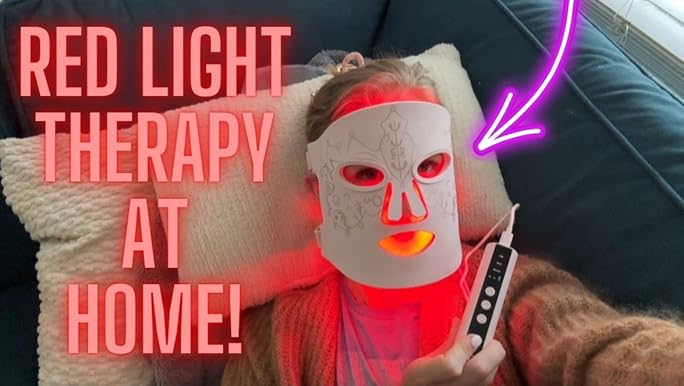

Light-emitting diode (LED) therapy has transformed modern skincare by providing a non-invasive method to improve skin appearance and health. LED face masks use specific light wavelengths to stimulate natural biological processes within the skin. Unlike invasive cosmetic treatments, this technology focuses on supporting the body’s own healing and rejuvenation mechanisms. Today, LED masks are widely used to manage acne, reduce wrinkles, and improve overall skin texture.
The popularity of home skincare devices has increased demand for advanced solutions such as the Best LED Face Mask. This technology combines multiple light wavelengths into a single treatment device, allowing users to address several skin concerns at once. LED therapy is generally painless, safe, and suitable for different skin types when used properly. The convenience of at-home LED treatment makes it easier for individuals to maintain consistent skincare routines without frequent clinic visits.
Red Light Technology and Skin Rejuvenation
Red light therapy is one of the most researched components of LED skincare technology. This wavelength typically falls between 620 and 750 nanometers and is designed to penetrate deeper skin layers. Red light stimulates cellular energy production by influencing mitochondrial function, which helps skin cells perform repair and regeneration more efficiently.
One of the primary benefits of red light therapy is collagen stimulation. Collagen is an essential protein that maintains skin firmness and elasticity. As people age, collagen production naturally decreases, leading to wrinkles and sagging skin. Regular exposure to red light helps slow this process by encouraging natural collagen synthesis. Additionally, red light therapy improves blood circulation, allowing oxygen and nutrients to reach skin tissues more effectively.
Red light therapy is also helpful for reducing inflammation and redness. People with sensitive skin conditions often use red light treatments to soothe irritation and promote balanced skin tone. Dermatologists and skincare researchers continue studying red light therapy because of its promising anti-aging potential and healing properties.
Blue Light Therapy for Acne Control
Blue light therapy is widely recognized for its ability to manage acne problems. This wavelength typically ranges from 405 to 470 nanometers and primarily targets bacteria responsible for acne formation. The light energy damages bacterial cell structures without harming surrounding skin tissues.
Acne breakouts are often caused by excess oil production combined with bacterial growth inside clogged pores. Blue light therapy helps reduce these bacteria populations, lowering the probability of future breakouts. It also helps regulate sebaceous gland activity, which can decrease excessive skin oiliness over time.
Unlike harsh chemical acne treatments, blue light therapy is gentle and does not cause significant skin irritation when used correctly. Many users combine blue light treatment with proper facial cleansing and moisturizing routines to achieve better results. Consistency is important because acne bacteria reduction requires repeated exposure sessions.
Near-Infrared Light and Deep Skin Healing
Near-infrared (NIR) light penetrates deeper than both red and blue light wavelengths, typically reaching subdermal tissue layers. This deeper penetration allows near-infrared therapy to influence muscle tissues, blood vessels, and cellular structures.
Near-infrared light supports cellular energy production by stimulating mitochondrial activity. When cells produce more energy, they can repair damage more efficiently and maintain healthier function. This process helps reduce signs of aging such as fine lines, skin dullness, and decreased firmness.
Another important advantage of near-infrared therapy is inflammation reduction in deeper tissues. People recovering from minor skin injuries or experiencing chronic skin irritation may benefit from NIR treatment. Improved circulation also supports faster healing and better nutrient delivery to skin cells.
Safe Usage and Treatment Guidelines
Using LED face masks safely is essential for achieving optimal results. Most skincare experts recommend treatment sessions lasting between 10 and 20 minutes. Beginners should start with shorter sessions and gradually increase exposure time as their skin adapts.
Before using an LED mask, it is important to clean the face thoroughly. Removing makeup, dirt, and excess oil helps light waves penetrate more effectively. Users should also protect their eyes by keeping them closed or using protective eyewear during treatment.
Overuse of LED therapy does not necessarily produce faster results. Following manufacturer instructions and maintaining a consistent schedule is more beneficial than increasing session duration. Combining LED therapy with sunscreen protection and proper hydration further supports skin recovery and health.
Future of LED Skin Technology
Advancements in LED skincare technology continue to improve treatment effectiveness and user convenience. Modern masks often combine multiple wavelengths into a single device, allowing customized therapy sessions. Some advanced models include automatic timers, adjustable intensity levels, and ergonomic designs.
Researchers are exploring additional applications of LED therapy in dermatology and cosmetic medicine. As scientific understanding grows, LED devices may become even more precise in targeting specific skin conditions. The future of home skincare technology is likely to focus on personalization and efficiency.
Conclusion
LED face mask technology offers a practical and scientifically supported approach to skincare. Red light promotes collagen production and reduces inflammation, blue light helps control acne-causing bacteria, and near-infrared light supports deeper tissue healing. Using a Best LED Face Mask can simplify skincare routines while delivering professional-level results at home.
With regular and proper use, LED therapy can improve skin texture, reduce aging signs, and enhance overall skin appearance. As technology continues to develop, LED masks are expected to become even more effective and widely accessible for daily skincare maintenance.