
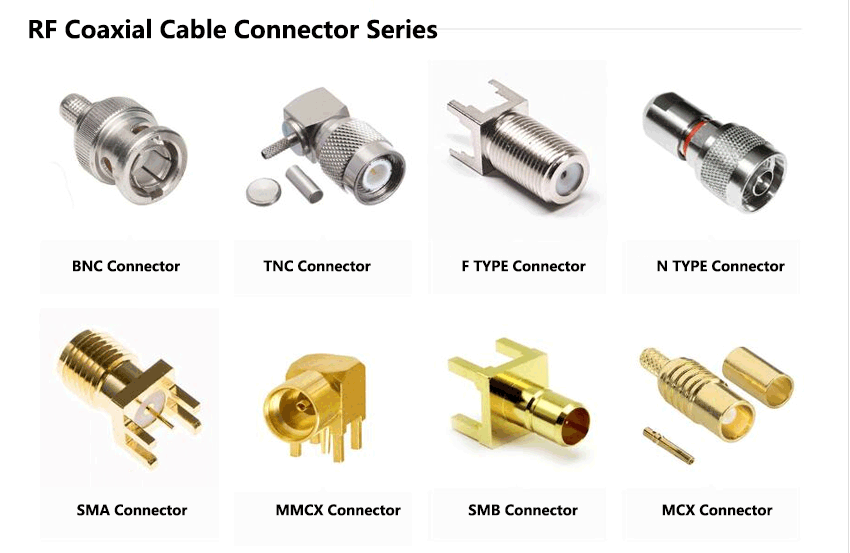

In today’s rapidly advancing world of electronics and communication systems, ensuring reliable connections is critical. At the heart of these connections, especially in high-frequency applications, are RF (Radio Frequency) connectors. These components play a pivotal role in the transmission of signals in everything from mobile devices to sophisticated aerospace systems. But who makes these essential components, and what exactly do they do? This is where an RF connector manufacturer comes into the picture.
An RF Connector Manufacturer specializes in designing, producing, and supplying RF connectors that ensure seamless transmission of high-frequency signals. These connectors are crucial in preventing signal loss, minimizing interference, and maintaining the overall integrity of electronic systems. Unlike standard electrical connectors, RF connectors are designed to handle signals at radio frequencies, which typically range from a few kilohertz to several gigahertz. The precision and quality of these connectors are vital because even a small mismatch can result in signal degradation or system failure. Companies that operate as RF connector manufacturers invest heavily in research and development to produce connectors that meet stringent industry standards and customer specifications. You can explore high-quality options from a reliable RF Connector Manufacturer to better understand the wide variety of products available and their applications.
The Role of Design and Engineering
Designing an RF connector is far from a simple task. RF connector manufacturers employ teams of engineers who focus on the electrical, mechanical, and environmental performance of these components. They must consider parameters like impedance, insertion loss, return loss, and frequency range to ensure the connectors function optimally in their intended applications. Mechanical factors such as durability, ease of installation, and vibration resistance are equally important, especially for connectors used in automotive, aerospace, and military industries. Advanced simulations and prototyping are common practices in the design phase to test performance under various conditions.
Manufacturing Processes
Once the design is finalized, the manufacturing phase begins. RF connector manufacturers use precision machining, stamping, and molding techniques to produce connectors with exacting tolerances. Materials such as brass, stainless steel, and specialized plastics are commonly used to meet both performance and durability requirements. Gold, silver, or nickel plating may be applied to the contact surfaces to improve conductivity and prevent corrosion. Quality control is a major focus during manufacturing; each batch of connectors is tested for electrical performance and mechanical reliability. Automated production lines often work alongside skilled technicians to ensure consistency and adherence to international standards such as MIL-DTL-38999 or IEC specifications.
Testing and Quality Assurance
Testing is a critical step in the lifecycle of an RF connector. Manufacturers conduct a range of tests, including frequency response analysis, vibration and shock testing, temperature cycling, and humidity exposure, to ensure that the connectors perform reliably under real-world conditions. Electrical tests verify that the connectors maintain proper impedance and minimize signal loss. RF connector manufacturers often provide documentation and certifications that verify compliance with industry standards, which is particularly important for sectors like telecommunications, defense, and medical electronics.
Applications Across Industries
RF connectors find applications in a broad spectrum of industries. In telecommunications, they are essential for connecting antennas, base stations, and other infrastructure components. In the consumer electronics sector, RF connectors enable reliable wireless communication in devices like smartphones, Wi-Fi routers, and smart home systems. In aerospace and defense, these connectors must meet rigorous standards to function in extreme environments, from high altitudes to harsh weather conditions. Automotive applications, especially in electric and autonomous vehicles, increasingly rely on RF connectors for radar, GPS, and infotainment systems.
Partnering With an RF Connector Manufacturer
Collaborating with a specialized RF connector manufacturer offers numerous advantages. These manufacturers provide technical guidance, customization options, and support throughout the product lifecycle, from design to after-sales service. Companies can benefit from innovations in materials, design techniques, and manufacturing processes that improve signal integrity and connector longevity. Additionally, working with an experienced manufacturer ensures compliance with industry standards, which reduces the risk of costly failures and downtime.
Conclusion
An RF connector manufacturer is a critical player in the electronics and communications industries. Their work ensures that high-frequency signals are transmitted efficiently, reliably, and safely across a wide range of applications. From design and engineering to manufacturing, testing, and quality assurance, these manufacturers provide the expertise and products necessary for modern electronic systems to operate at peak performance. Whether it is for telecommunications, aerospace, automotive, or consumer electronics, RF connectors are indispensable, and the manufacturers behind them are key enablers of technological progress.
By understanding the role of an RF connector manufacturer, businesses and engineers can make informed decisions when sourcing components that demand precision, reliability, and high performance.