
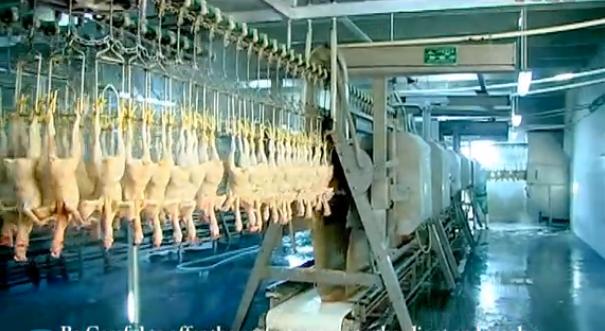

Poultry processing equipment is essential for maintaining efficiency, hygiene, and product quality in modern poultry operations. However, like any industrial machinery, it can experience issues that disrupt production. Understanding common problems and how to troubleshoot them is critical for minimizing downtime, preventing costly repairs, and ensuring smooth operations. Proper maintenance and timely troubleshooting also help extend the lifespan of the equipment and maintain food safety standards.
Integrating poultry processing equipment into production lines requires careful attention to both operation and maintenance. Even the most advanced automated systems can face challenges such as mechanical malfunctions, electrical faults, or sanitation issues. By identifying common problems early and implementing systematic troubleshooting strategies, poultry processors can maintain consistent productivity and avoid significant operational disruptions.
Mechanical Malfunctions
Mechanical issues are among the most frequent problems in poultry processing equipment. These can include worn-out belts, damaged bearings, misaligned conveyors, or malfunctioning plucking fingers. Signs of mechanical problems include unusual noises, reduced speed, irregular movement, or uneven processing results.
To troubleshoot mechanical malfunctions, first inspect all moving parts for wear or damage. Lubricate bearings and chains according to manufacturer guidelines, and replace components that show excessive wear. Regular mechanical inspections and preventive maintenance can reduce the likelihood of unexpected breakdowns and ensure smoother operation.
Electrical and Control System Failures
Modern poultry processing equipment relies heavily on electrical systems and automated controls. Faulty wiring, blown fuses, or malfunctioning sensors can cause equipment to stop or operate irregularly. PLC (Programmable Logic Controller) or sensor failures may result in incorrect processing parameters, compromising product quality.
Troubleshooting electrical issues involves checking wiring connections, fuses, and control panels for visible signs of damage. Ensure that sensors and controllers are properly calibrated, and consult manufacturer manuals for troubleshooting steps specific to your equipment. In some cases, professional technicians may be required to diagnose complex electrical faults safely.
Clogging and Blockages
Blockages in conveyors, evisceration lines, or plucking systems are common issues, especially when processing larger volumes of poultry. Clogging can reduce efficiency, damage equipment, or compromise hygiene.
To address blockages, first turn off the equipment and remove any obstructing material carefully. Check for accumulation of feathers, viscera, or debris in processing lines and clean affected areas thoroughly. Implementing routine cleaning schedules and proper waste disposal practices can minimize the risk of recurring blockages.
Inconsistent Product Quality
Inconsistent cutting, deboning, or portioning can occur due to wear in blades, improper calibration, or uneven machine operation. Such inconsistencies can lead to product loss, customer dissatisfaction, and regulatory non-compliance.
To troubleshoot quality issues, inspect blades, knives, and cutting mechanisms for sharpness and alignment. Adjust machine settings according to manufacturer instructions, and perform test runs to ensure uniformity. Regular calibration and preventive maintenance of cutting and portioning systems are critical to maintaining consistent product standards.
Sanitation and Hygiene Problems
Maintaining hygiene is essential in poultry processing. Poor sanitation can lead to bacterial growth, contamination, and regulatory violations. Equipment that is not cleaned properly may experience residue buildup, odors, or corrosion.
Troubleshooting sanitation issues involves disassembling modular components, cleaning with appropriate detergents, and disinfecting surfaces thoroughly. Modern poultry processing equipment often includes automated cleaning-in-place (CIP) systems that simplify sanitation tasks. Following proper cleaning schedules and using recommended cleaning agents ensures hygiene compliance and prevents equipment deterioration.
Overheating and Energy Issues
High production volumes, improper ventilation, or faulty components can lead to overheating of motors or other machinery parts. Overheating may trigger safety shutdowns, reduce efficiency, and damage internal components.
To troubleshoot overheating, inspect cooling systems, lubricate moving parts, and verify that electrical connections are secure. Allow equipment to cool before resuming operation and ensure that ambient conditions meet manufacturer recommendations. Energy-efficient upgrades, such as high-efficiency motors or variable frequency drives, can also help reduce stress on equipment.
Preventive Measures
Proactive maintenance is the most effective way to reduce equipment issues. Implementing routine inspections, lubrication, cleaning, calibration, and training for operators ensures smooth operations and reduces the likelihood of unexpected failures. Keeping a stock of critical spare parts and following manufacturer guidelines also contributes to minimizing downtime and repair costs.
Conclusion
Troubleshooting common issues in poultry processing equipment is essential for maintaining productivity, safety, and product quality. Mechanical malfunctions, electrical failures, blockages, inconsistent quality, sanitation problems, and overheating are typical challenges faced by poultry processing facilities. By identifying issues early, following systematic troubleshooting steps, and implementing preventive maintenance, operators can reduce downtime, extend the lifespan of their machinery, and ensure consistent and safe poultry processing operations. Effective troubleshooting not only protects equipment but also supports regulatory compliance and operational efficiency, ensuring long-term success in a competitive industry.