

Yoga wear has evolved significantly over the years, with a strong focus on comfort, flexibility, and performance. The choice of materials is critical for ensuring garments provide the support and durability required for various yoga practices. Yoga wear manufacturers carefully select fabrics that balance stretch, breathability, moisture-wicking properties, and eco-friendliness. Understanding the common materials used can help consumers and business owners make informed decisions about quality and performance.
Recycled Polyester and Nylon
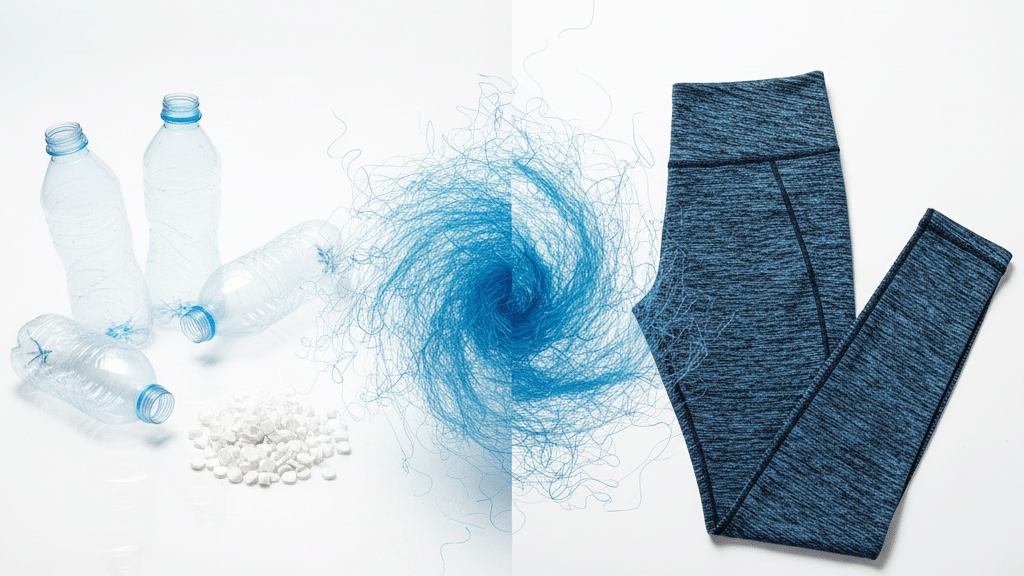
One of the most popular materials used by yoga wear manufacturers is recycled polyester and nylon. These fabrics are sourced from post-consumer plastics, such as PET bottles, and repurposed into high-performance fibers. Recycled materials not only reduce waste and environmental impact but also provide excellent stretch, durability, and resistance to wear and tear. Many yoga wear brands prioritize sustainability, and a reputable Yoga Wear Manufacturer will offer garments made from recycled fabrics, ensuring that eco-conscious consumers have access to high-quality, sustainable activewear.
Cotton Blends
Cotton remains a staple in yoga wear due to its softness, breathability, and comfort. However, pure cotton lacks the stretch and moisture-wicking properties required for intense yoga sessions. To address this, manufacturers often use cotton blends combined with elastane or spandex. These blends provide flexibility while maintaining the natural feel of cotton, making them ideal for low-impact yoga practices and casual wear. Organic cotton is also becoming popular as a sustainable alternative, reducing pesticide use and promoting environmentally responsible farming practices.
Spandex and Elastane
Spandex, also known as elastane or Lycra, is a crucial component in most yoga wear. It provides the elasticity needed for unrestricted movement during poses and stretches. Fabrics with spandex or elastane ensure that leggings, tops, and bras maintain their shape over time, even after repeated use and washing. Yoga wear manufacturers often integrate these fibers in small percentages with other fabrics, balancing stretch and durability with comfort.
Bamboo Fabric
Bamboo has gained attention as a sustainable and comfortable option for yoga wear. Bamboo fabric is naturally soft, breathable, and moisture-wicking, making it suitable for intense workouts and hot yoga sessions. It also has antimicrobial properties, which help reduce odor and maintain freshness. Additionally, bamboo is a fast-growing, renewable resource, making it an environmentally friendly alternative to traditional fibers.
Polyester and Microfiber
Traditional polyester and microfiber are still commonly used in yoga wear for their durability and performance characteristics. These fabrics are lightweight, quick-drying, and resistant to shrinking or wrinkling. Polyester and microfiber blends are particularly effective in activewear designed for high-intensity workouts, providing support and comfort without restricting movement. Many modern yoga wear lines incorporate performance polyester fabrics treated with eco-friendly dyes and finishing techniques to reduce environmental impact.
Merino Wool
Though less common, merino wool is sometimes used in premium yoga wear, especially for colder climates or outdoor sessions. Merino wool is naturally insulating, moisture-wicking, and breathable, making it suitable for layering or low-impact yoga in cool environments. Its soft texture ensures comfort against the skin, and it is naturally odor-resistant, reducing the need for frequent washing. Merino wool is also biodegradable, adding an environmentally friendly aspect to high-end yoga garments.
Nylon Blends
Nylon blends are widely used in yoga wear for their durability and resistance to abrasion. Combined with spandex or elastane, nylon provides a smooth and supportive fabric that moves with the body. It is lightweight, resilient, and quick-drying, making it ideal for both indoor and outdoor yoga practices. Nylon blends are often preferred for leggings and sports bras due to their ability to hold shape while offering excellent stretch and compression.
Eco-Friendly and Innovative Fabrics
Yoga wear manufacturers are increasingly exploring innovative and eco-friendly materials. Fabrics made from recycled ocean plastics, Tencel (lyocell), and other plant-based fibers offer sustainable alternatives with high performance. These fabrics combine comfort, stretch, and moisture-wicking properties with reduced environmental impact. By integrating advanced textiles, manufacturers can provide functional yoga wear that aligns with consumer demand for sustainability and durability.
Conclusion
Materials play a vital role in determining the quality, comfort, and sustainability of yoga wear. From recycled polyester and nylon to cotton blends, bamboo, and innovative eco-friendly fabrics, yoga wear manufacturers carefully select textiles to meet performance and environmental standards. Understanding the properties of these fabrics helps consumers choose garments that enhance their yoga practice while supporting sustainability. A reliable yoga wear manufacturer not only offers a variety of high-quality materials but also ensures that garments meet durability, comfort, and eco-conscious requirements, making each piece both functional and responsible.