
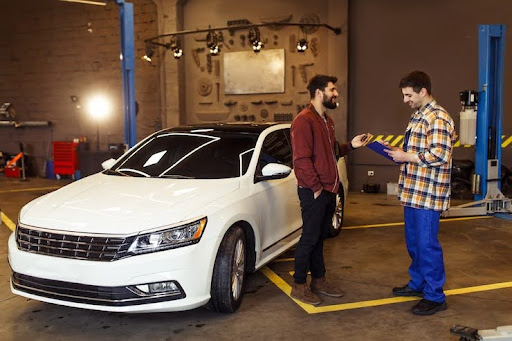

Many assume fixing a car after a collision just means pounding out dents and adding new paint. This belief often costs people a lot, including lower resale value weakened safety systems, and temporary fixes that don’t hold up. These days, cars are like rolling computers built with advanced materials that require exact skill and tools. Not every shop that promises to repair your car can meet those demands. The difference between a skilled expert and a hobbyist with tools has never been so obvious.
The Basics: Right Tools and Proper Skills
Step into a professional shop, and you’ll see the difference right away. They have computerized systems to align frames special tools for welding, and paint booths like you’d find in factories. These features are not only for aesthetics. High-strength metals, aluminum, and composites are some of the advanced materials that make up today’s cars. Just the well-trained professionals equipped with the right tools can use delicate techniques to carry out the repairs.
It is essential to have the proper certifications as well. Certified technicians in well-known collision repair shops get the certifications from the organizations like I-CAR and ASE. These prove that they not only get the regular training but also are equipped with the knowledge and skills to handle the latest car technology easily and well.
What Sets the Process Apart
Good repair shops stick to what the vehicle makers recommend for fixes. This isn’t because they’re being strict. They know automakers create specific ways to fix their cars for a reason. Skipping steps might seem quicker, but it can mess with the safety features meant to protect you in another crash.
A reliable collision repair shop checks the car before starting repairs. They apply tools to reveal unseen destruction that one wouldn’t detect only through visual inspection. A minor incident, such as a slight parking lot accident, can disrupt electronic devices, steering, or bodies of a car that are not apparent at once. The specialists detect these issues early enough and hence they do not become major safety hazards in the future.
Matching paint is a skill that stands out. Newer cars come with layered and complex paint systems. Getting the color to be an exact match takes tools like a spectrophotometer careful prep work on the surface, and applying the paint in a controlled environment. If you can spot where the repair happened then the work wasn’t done .
Records and Warranty Benefits
Good repair shops keep thorough records of all the work they do. This helps keep the resale value of your car, gives you warranty protection, and leaves a record that might help you down the line. Many reliable shops even back their repairs with warranties, which is something cheaper places don’t offer.
Insurance companies might suggest specific collision repair shops, but the choice is yours. Reputable repair facilities work with any insurance company and take care of the paperwork simplifying the whole process.
The Lasting Effects
When amateurs fix cars, issues often show up months or even years down the line. Paint mismatches. Panels that don’t line up. Weak structures that put safety at risk. Automotive specialists are to be hired to restore safety, body, and beauty of the car. This choice not only enhances your security but also preserves car’s worth in the future.
Your Dependable Ally in Car Repair
Spectrum Auto Inc. has built its name by providing excellent accident repair services with customer satisfaction as the focus and quality as the standard. Our state-of-the-art facility uses the latest technology and skilled work to restore cars to their original manufacturer condition. We have only certified professionals on our staff, offer long warranties, and make sure that every step of the process is communicated clearly. From dealing with insurance to completing detailed quality inspections, we take care of it all. Check out our website at www.spectrumautoinc.com to discover more about what we offer.
FAQs
1.How long does it take to finish professional collision repair?
The duration varies depending on the extent of the damage and the availability of the parts . Minor repairs may take approximately 3 to 5 days . Major damages might take more than a few days. However, after the vehicle inspection , shops provide you with a specific timeframe.
2.Does insurance pay for professional collision repair?
Most insurance plans will pay for repairs at the shop you pick. You don’t have to use the shop your insurer recommends. Most repair shops can work with any insurance company to handle claims .
3.How can I tell if a collision repair shop is professional?
It is important to verify the presence of the certifications like ASE, I-CAR or those from the manufacturer’s programs. Also, do ask if they work with the latest equipment, go through the reviews of their past customers, and ask what will be the procedure in your case. A reliable shop will elaborate on their matters and provide evidence of their credentials.
4.Will I get a rental car while my car is in the shop?
Many repair shops help arrange rental cars for customers. Your insurance might even cover it, depending on your policy. During your visit, talk to the shop to find out about rental options.
5.What steps should I take right after an accident?
Take pictures to show the damage , get the details from everyone involved, report it to the police if needed, and reach out to your insurance provider . After that, pick a trusted repair shop to check the damage and give you an estimate.