
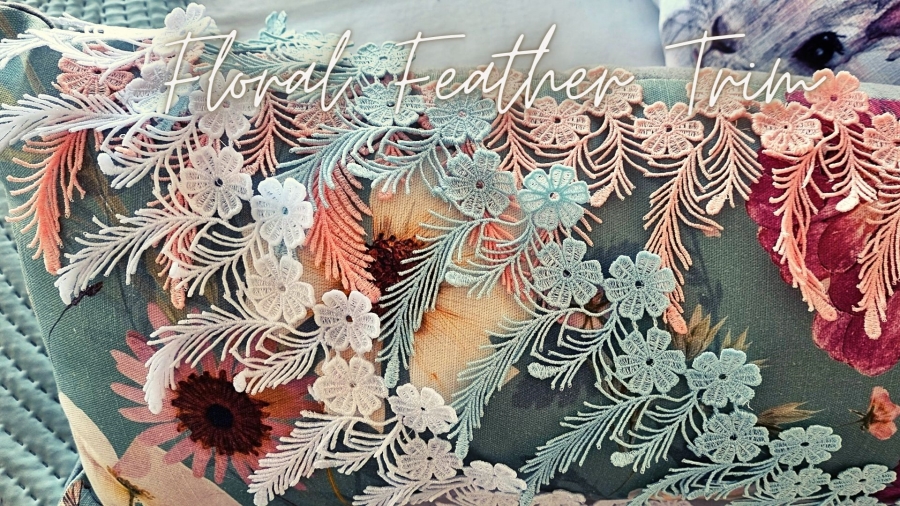

3D embroidery fabric has emerged as a revolutionary element in contemporary textile design, offering a level of depth and dimension that traditional flat embroidery cannot achieve. Its unique structure allows designers to create eye-catching, tactile patterns that transform ordinary fabrics into visually compelling surfaces. This innovation has expanded the possibilities for both fashion and interior textiles, enhancing creativity while maintaining functional performance.
The appeal of 3D Embroidery Fabric lies in its ability to combine traditional embroidery techniques with modern layering methods. By incorporating padding, foam, or specialized stitching, the fabric produces raised motifs that stand out from the base material. This technique provides both aesthetic interest and structural stability, making it a popular choice for designers aiming to create garments or decorative items with pronounced texture and dimension.
Structural Features of 3D Embroidery Fabric
The defining feature of 3D embroidery fabric is its layered construction. Unlike standard embroidery, which lies flat against the fabric, 3D embroidery uses additional materials or stitching techniques to elevate specific areas. This creates a pronounced relief effect, giving patterns a sculptural quality that can be seen and felt.
High-quality 3D embroidery fabrics rely on strong base textiles that support raised elements without distortion. Cotton, blends, and other durable fibers are commonly used to ensure that the three-dimensional features maintain their shape and longevity, even after repeated use or laundering.
Techniques Behind the Dimension
Several techniques contribute to the creation of 3D embroidery. Foam backing or padding threads are often used to lift the stitched areas, while satin stitches and dense fill patterns provide surface coverage that accentuates the raised effect. Some designers use layered stitching to gradually build height, allowing for intricate shapes and smooth contours.
The precision of these techniques ensures that the design remains consistent and visually balanced. Advanced machinery and digital embroidery systems have further enhanced the accuracy of 3D embroidery, making complex motifs more feasible for both small-scale and mass production.
Visual Impact and Design Versatility
3D embroidery fabric stands out due to its striking visual impact. The raised designs cast subtle shadows and interact with light differently than flat embroidery, adding richness and depth to the textile surface. This effect can make logos, floral patterns, or geometric shapes appear more dynamic and engaging.
Designers can apply 3D embroidery across a range of products, from casual and high-fashion garments to accessories, hats, and decorative home textiles. The technique allows for creative experimentation, enabling designers to combine colors, textures, and heights for maximum aesthetic appeal.
Functional Considerations and Fabric Selection
While 3D embroidery is primarily decorative, it also requires careful consideration of fabric performance. The base material must be strong enough to handle added stitching and padding without stretching or tearing. Cotton and medium-weight blends are commonly used because they provide stability and comfort while supporting elevated designs.
Thread selection and density also play a role in maintaining fabric integrity. Strong, high-quality threads reduce the risk of unraveling, while appropriate stitch density ensures that raised motifs retain their shape and do not flatten over time.
Applications in Fashion and Interior Design
In fashion, 3D embroidery fabric is used to create statement pieces, including jackets, dresses, and hats. Its ability to add depth without bulky layers allows designers to introduce bold designs while maintaining wearability. Accessories such as bags and caps benefit from three-dimensional detailing that enhances brand identity and uniqueness.
In interior textiles, 3D embroidery fabric adds tactile interest to cushions, curtains, and wall hangings. Raised patterns can complement modern decor themes or traditional motifs, offering versatility that suits a wide range of design contexts.
Enhancing Brand Identity and Product Differentiation
For commercial applications, 3D embroidery fabric provides a method of creating distinctive branding. Logos and emblems rendered in three dimensions are more noticeable and memorable, enhancing product differentiation. The raised effect communicates attention to detail and quality, which can elevate consumer perception of a brand or collection.
Longevity and Maintenance
Durability is a critical factor for 3D embroidery fabric. Properly selected base materials and high-quality threads ensure that raised designs maintain their structure over time. Attention to stitch density, padding thickness, and fabric stability minimizes deformation during washing or handling, supporting long-term use.
Conclusion: The Unique Value of 3D Embroidery Fabric
3D embroidery fabric stands out in modern textile design due to its ability to merge visual appeal, texture, and structural sophistication. By elevating traditional embroidery with dimension and depth, it allows designers to create textiles that are both striking and versatile. When combined with careful fabric selection and precise stitching techniques, 3D embroidery fabric delivers durable, visually engaging products that continue to inspire innovation across fashion and interior design.