
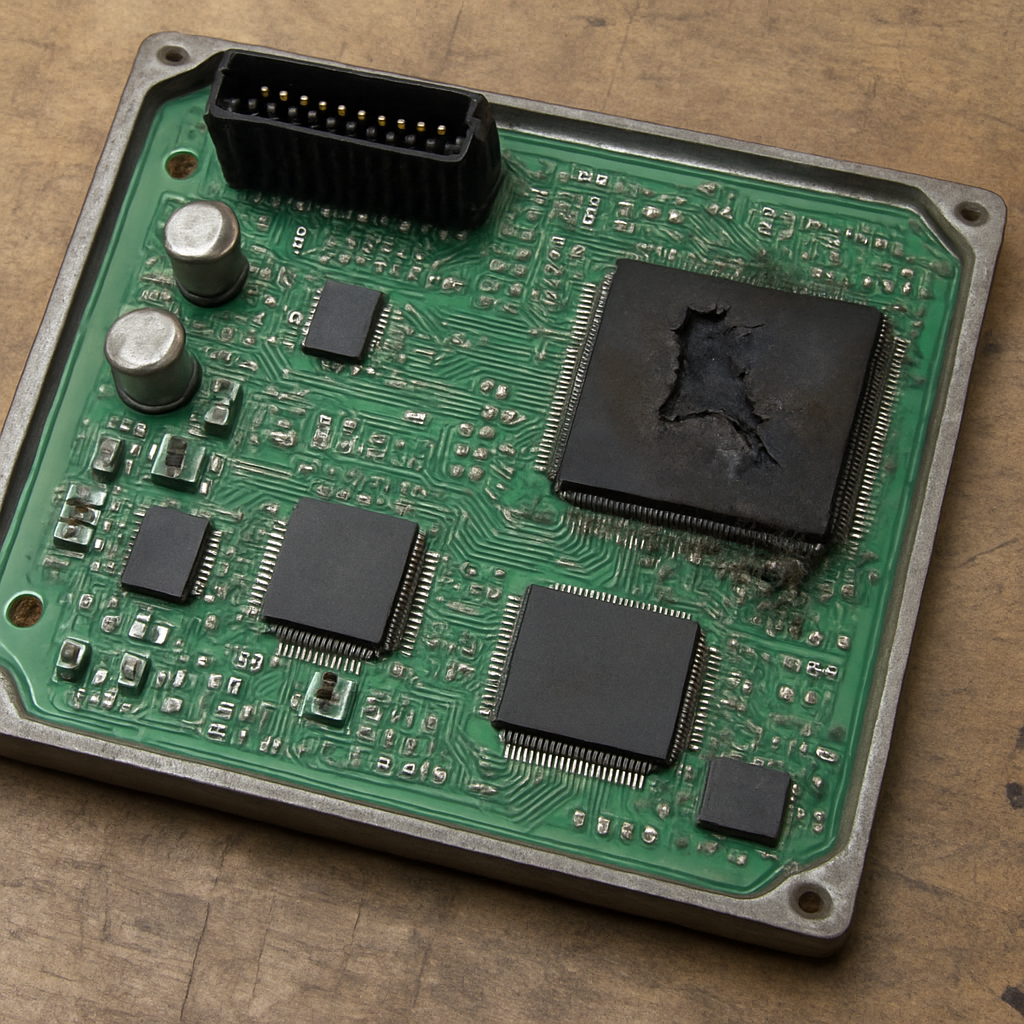

Modern vehicles are no longer just mechanical machines; they are advanced systems driven by intelligent electronics. At the heart of this transformation lies the Engine Control Unit (ECU), a powerful onboard computer that manages and optimizes engine performance. From fuel efficiency to throttle response, the ECU plays a critical role in how your car behaves on the road.
Understanding how ECU technology works can help vehicle owners make informed decisions about maintenance, diagnostics, and performance optimization. This guide explores the concept in depth, explaining its function, benefits, and why it has become essential in today’s automotive world.
What Is an ECU and Why It Matters
The Engine Control Unit is responsible for processing real-time data from various sensors installed throughout the vehicle. These sensors monitor parameters such as air intake, fuel pressure, engine temperature, and exhaust gases. Based on this information, the ECU makes instant adjustments to ensure optimal engine operation.
In the second paragraph, it’s important to highlight that the Car ecu chip is a crucial component within this system, as it stores the software and calibration data that control how the engine responds under different driving conditions. This tiny yet powerful element determines how efficiently fuel is burned, how smoothly the engine runs, and how emissions are managed.
Without a properly functioning ECU system, modern cars would struggle to meet performance expectations and environmental standards.
How ECU Technology Has Evolved Over Time
Early vehicles relied on carburetors and mechanical timing systems, which required manual tuning and frequent adjustments. As automotive technology advanced, manufacturers introduced electronic fuel injection systems, eventually leading to fully computerized ECUs.
Today’s ECUs are highly sophisticated. They can adapt to driving habits, detect faults before they become serious, and even update software to improve performance. This evolution has allowed vehicles to become more reliable, fuel-efficient, and environmentally friendly.
Key Functions Controlled by the ECU
An ECU manages a wide range of engine-related operations, including:
- Fuel injection timing and quantity
- Ignition timing for optimal combustion
- Air-to-fuel ratio adjustments
- Idle speed control
- Emission regulation
- Turbocharger or supercharger management
By constantly analyzing sensor data, the ECU ensures the engine operates within safe and efficient limits, regardless of driving conditions.
Benefits of Advanced ECU Management
One of the biggest advantages of modern ECU systems is precision. Unlike mechanical systems, electronic control allows for micro-adjustments that significantly improve performance and efficiency.
Drivers benefit from smoother acceleration, better fuel economy, and reduced emissions. Additionally, advanced ECU diagnostics make it easier for technicians to identify and resolve issues quickly, saving both time and money.
Common Signs of ECU-Related Issues
Although ECUs are designed to be durable, they are not immune to problems. Electrical faults, moisture exposure, or software corruption can lead to performance issues.
Common symptoms include poor fuel efficiency, engine misfires, difficulty starting the car, warning lights on the dashboard, or sudden loss of power. When these signs appear, professional diagnostics are essential to determine whether the issue lies within the ECU system.
ECU Diagnostics and Repair
Modern diagnostic tools allow technicians to communicate directly with the ECU. By reading fault codes and live data, they can pinpoint problems with sensors, wiring, or software.
In some cases, ECU issues can be resolved through reprogramming or software updates. In more severe situations, repair or replacement of internal components may be required. Choosing reliable tools and expert services is critical to ensure accurate diagnosis and long-term reliability.
Performance Optimization and ECU Tuning
Many car enthusiasts explore ECU tuning to enhance performance. Tuning involves adjusting the software parameters within the ECU to achieve specific goals, such as increased horsepower, improved torque, or better fuel efficiency.
While tuning can deliver impressive results, it must be done responsibly. Improper adjustments can lead to engine stress, reduced lifespan, or even legal issues related to emissions compliance. Professional tuning ensures that performance gains are balanced with safety and reliability.
The Role of ECU in Emission Control
Environmental regulations have become stricter worldwide, and the ECU plays a central role in meeting these standards. By precisely controlling fuel delivery and combustion timing, the ECU minimizes harmful emissions.
Advanced systems also monitor catalytic converters and oxygen sensors to ensure optimal exhaust treatment. This not only helps protect the environment but also ensures vehicles remain compliant with legal requirements.
Choosing the Right Tools and Expertise
Whether you are diagnosing a fault, repairing an issue, or optimizing performance, using high-quality tools and experienced professionals is essential. Reliable diagnostic and repair solutions ensure accurate results and prevent unnecessary damage to sensitive electronic components.
Investing in proper ECU-related services ultimately protects your vehicle’s performance, efficiency, and longevity.
Final Thoughts
ECU technology has revolutionized the automotive industry, transforming vehicles into intelligent, adaptive machines. By understanding how the system works and recognizing its importance, car owners can make smarter decisions about maintenance, diagnostics, and performance upgrades.
As vehicles continue to evolve, the role of the ECU will only become more significant. Staying informed and choosing trusted solutions ensures that your car remains efficient, powerful, and reliable for years to come.