
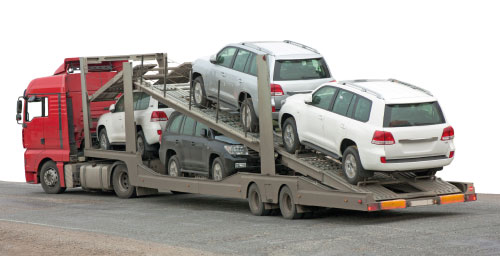

Heavy-duty trucks are the backbone of commercial transportation systems around the world. Designed to carry large payloads over long distances and through demanding operating conditions, these vehicles play a critical role in keeping economies moving. From raw material supply to finished goods distribution, heavy-duty trucks support nearly every major industry. Understanding their role helps businesses, policymakers, and logistics professionals appreciate how essential these vehicles are to modern commerce.
Importance of Heavy-Duty Trucks in the Supply Chain
Heavy-duty trucks are a central link in the supply chain, connecting manufacturers, ports, warehouses, and end users. They are capable of transporting bulk goods, heavy machinery, construction materials, and industrial equipment that lighter vehicles cannot handle. In regions with vast land areas or limited rail connectivity, heavy-duty trucks often serve as the primary mode of freight transport. Many logistics operators rely on proven manufacturers such as Ashok Leyland Trucks in the middle of their fleet planning strategies because reliability, durability, and load-bearing capacity are essential for maintaining smooth operations and meeting delivery timelines.
Key Features That Define Heavy-Duty Trucks
What distinguishes heavy-duty trucks from other commercial vehicles is their engineering. These trucks are built with reinforced frames, powerful engines, and advanced braking systems to handle extreme weights and long-haul routes. High torque output allows them to perform efficiently even when fully loaded, while multi-axle configurations provide better weight distribution and stability. Many models also include advanced cooling systems, heavy-duty suspensions, and durable transmissions to withstand harsh climates, steep gradients, and extended operating hours.
Industries That Depend on Heavy-Duty Trucks
Several industries rely heavily on heavy-duty trucks for their daily operations. The construction sector uses them to transport cement, steel, aggregates, and heavy equipment to project sites. The mining industry depends on specialized heavy-duty vehicles to move raw materials from extraction points to processing facilities. In manufacturing, these trucks ensure a steady flow of raw inputs and finished products between factories and distribution centers. Agriculture also benefits from heavy-duty trucks for moving large quantities of crops, livestock feed, and farming equipment across regions.
Role in Long-Haul and Cross-Border Transportation
Heavy-duty trucks are especially important in long-haul and cross-border transportation. Their ability to travel long distances without frequent stops makes them ideal for regional and international trade routes. These trucks are often equipped with driver comfort features, such as ergonomic cabins and safety systems, to support extended journeys. Efficient long-haul trucking helps reduce delivery times, lowers inventory holding costs, and improves overall supply chain responsiveness, which is crucial in competitive commercial environments.
Economic Impact of Heavy-Duty Trucking
The heavy-duty trucking sector contributes significantly to economic growth and employment. It supports not only drivers but also mechanics, fleet managers, logistics planners, and service providers. By enabling efficient movement of goods, heavy-duty trucks help stabilize prices, ensure product availability, and support industrial expansion. Infrastructure development, such as highways and logistics hubs, often evolves alongside the growth of heavy-duty transportation networks, further amplifying their economic impact.
Maintenance and Operational Considerations
Operating heavy-duty trucks requires careful attention to maintenance and compliance. Regular servicing, timely replacement of wear parts, and adherence to safety standards are essential to prevent breakdowns and accidents. Fleet operators often implement preventive maintenance schedules and use telematics systems to monitor vehicle health, fuel consumption, and driver behavior. These practices not only extend vehicle lifespan but also improve fuel efficiency and reduce operational costs over time.
Technological Advancements in Heavy-Duty Trucks
Technology is reshaping the heavy-duty truck segment. Modern vehicles are increasingly equipped with digital dashboards, advanced driver-assistance systems, and fleet management software. Innovations such as predictive maintenance, GPS tracking, and fuel optimization tools help operators make data-driven decisions. There is also a growing focus on sustainability, with manufacturers exploring cleaner engines, alternative fuels, and emission-reduction technologies to meet environmental regulations.
Conclusion
Heavy-duty trucks play an indispensable role in commercial transportation by enabling the efficient movement of goods across industries and regions. Their strength, versatility, and reliability make them essential for construction, manufacturing, agriculture, and long-haul logistics. As technology advances and sustainability becomes a priority, heavy-duty trucks will continue to evolve while remaining a cornerstone of global and regional supply chains. Understanding their role highlights their value not just as vehicles, but as key drivers of economic and industrial progress.